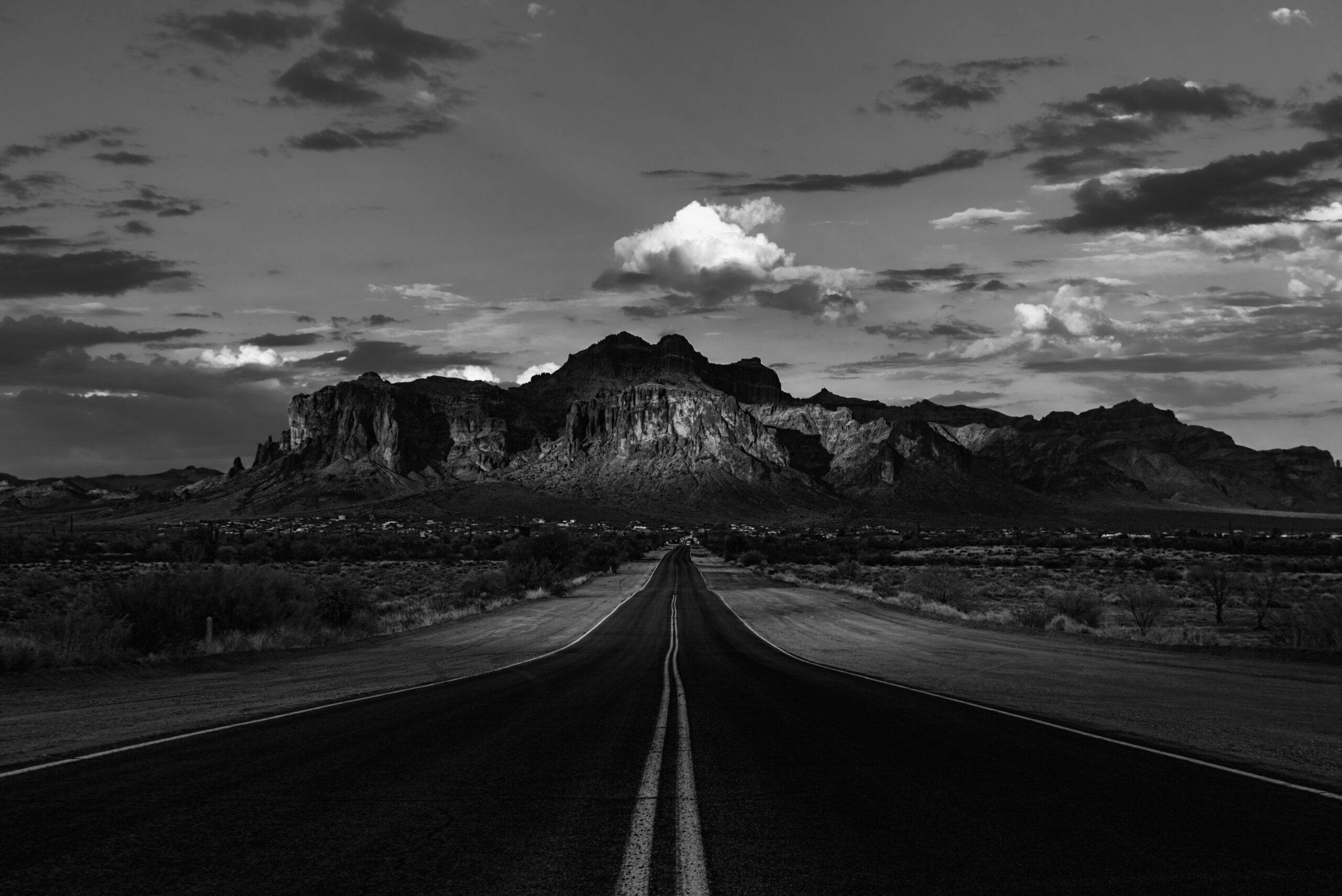
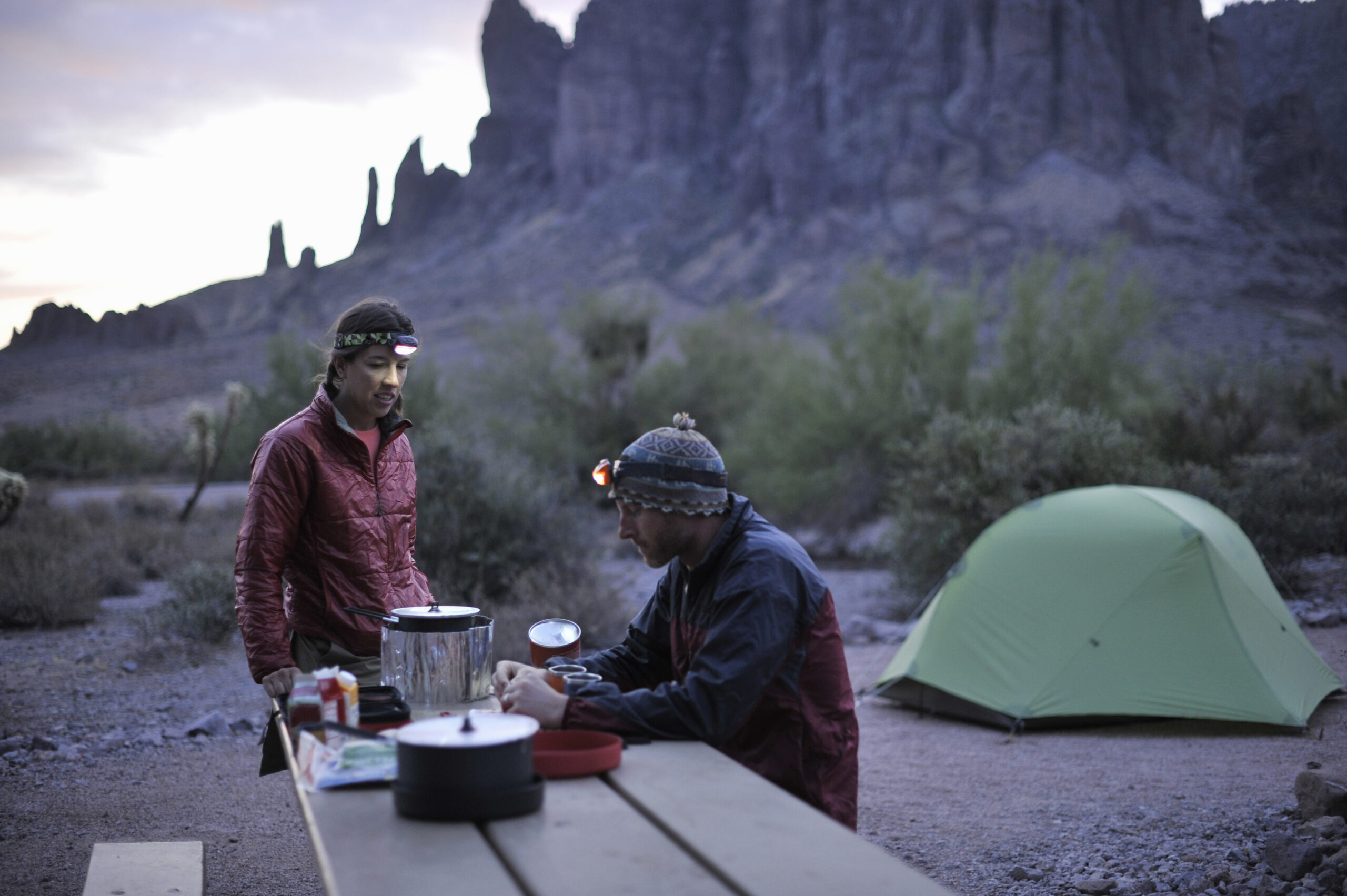
Every summer, Arizona’s skies transform.
Towering clouds build over the mountains, the scent of rain fills the air, and the first drops of a monsoon storm breathe new life into the desert. While many people think of monsoons as dramatic lightning shows or welcome relief from the heat, they are something much greater—they’re one of the most important natural events of the year for Arizona’s wildlife and ecosystems.
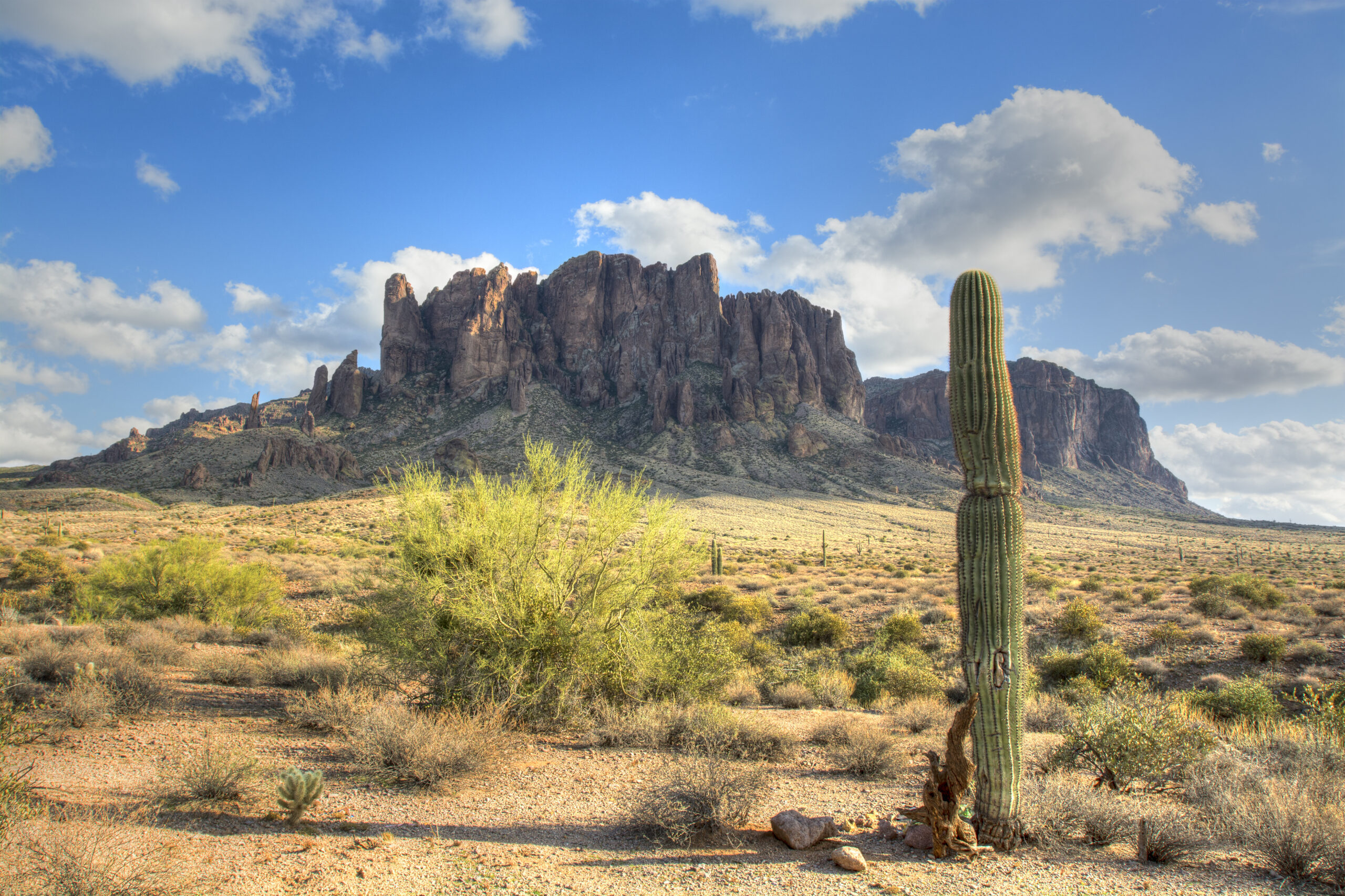
Here in the Superstition region, monsoon season is a reminder of just how connected our landscapes, wildlife, and water truly are.
The Desert Comes Alive
The Sonoran Desert is one of the most diverse deserts in the world, but it depends on seasonal rainfall to thrive.
Monsoon storms replenish washes, fill tinajas (natural rock pools), recharge springs, and provide much-needed moisture for native plants. Within days of a good rain, the desert begins to change.
Grasses turn green, wildflowers begin to bloom, and cactus produce fresh growth. What may have seemed dry and quiet just days before suddenly becomes full of life.
A Lifeline for Wildlife
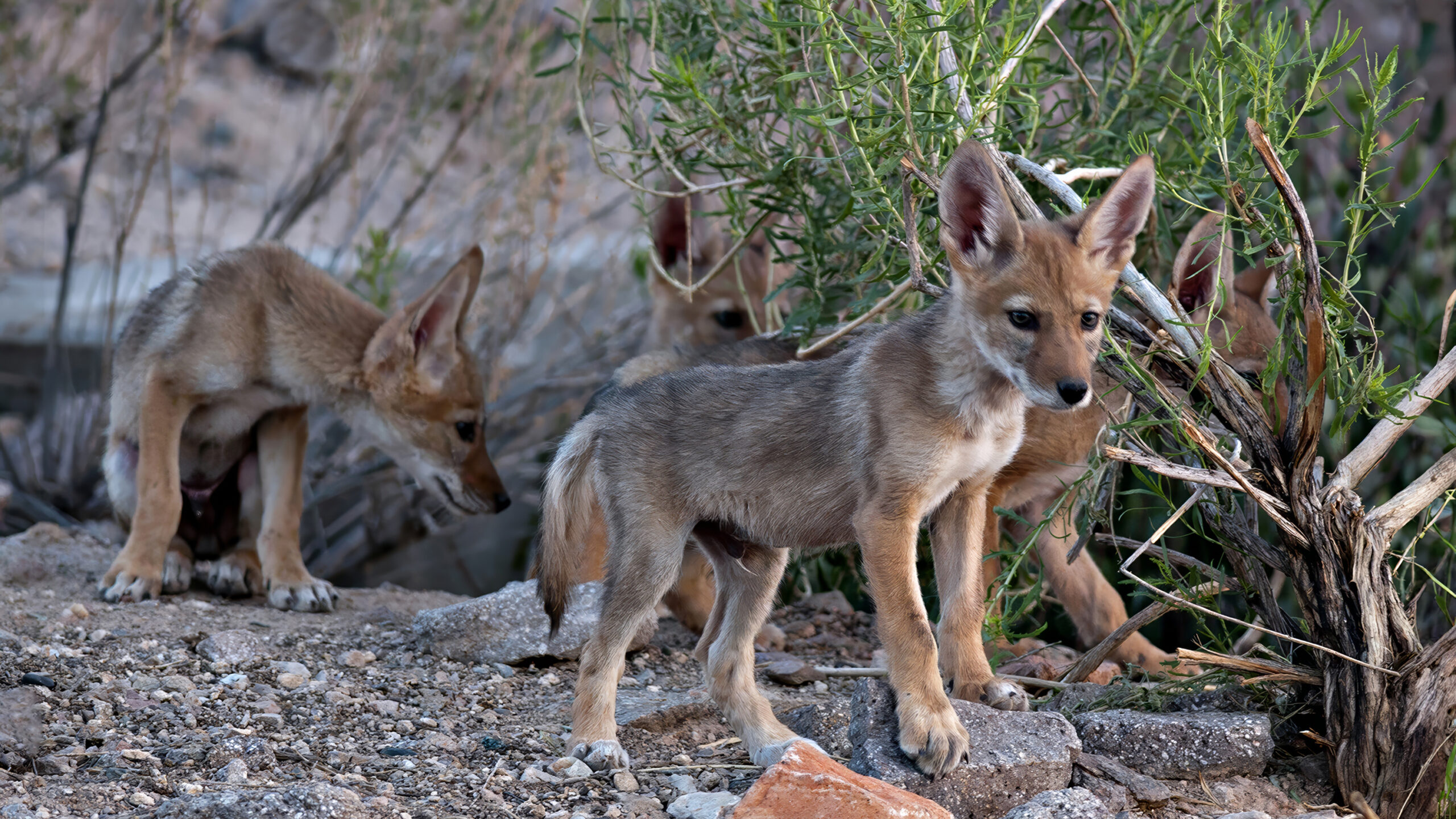
For many desert animals, monsoon season is essential to survival.
Rainwater creates temporary pools that provide drinking water for mammals, birds, reptiles, and insects. Amphibians like the Couch’s spadefoot toad can spend months buried underground, emerging only after heavy rains to breed in temporary pools.
Pollinators become increasingly active as flowering plants provide nectar, helping support healthy desert ecosystems. Birds take advantage of increased insect populations, while larger mammals such as mule deer, javelina, and bighorn sheep benefit from improved forage and access to water.
Without these seasonal rains, many native species would struggle to survive Arizona’s long, hot summers.
Healthy Watersheds Matter
Monsoons don’t just benefit wildlife—they also highlight the importance of protecting healthy watersheds.
Natural open spaces allow rainwater to soak into the ground, recharge aquifers, reduce erosion, and support streams and riparian habitats. When landscapes become fragmented by development, more water runs off quickly, increasing erosion and reducing the amount that can nourish plants and wildlife.
Protecting intact landscapes helps Arizona’s ecosystems remain resilient, even during periods of drought.
Safety During Monsoon Season
While monsoon season creates incredible opportunities to experience the desert, it also brings hazards that outdoor enthusiasts should take seriously.
Before heading out:
- Check the weather forecast.
- Avoid hiking in narrow canyons if storms are possible.
- Stay out of washes during or after rainfall.
- Be prepared for lightning, rapidly changing conditions, and flash flooding.
- Carry plenty of water—even on cloudy days.
The desert can change quickly, and respecting these conditions helps keep both visitors and first responders safe.
Protecting Arizona’s Natural Heritage
At Superstition Area Land Trust (SALT), we know that conserving land means protecting far more than scenic views. Healthy open spaces support wildlife habitat, safeguard water resources, and preserve the natural processes that make Arizona’s landscapes so extraordinary.
Every protected acre contributes to a healthier future for both wildlife and the communities that call this region home.
As the monsoon clouds gather this summer, take a moment to appreciate the remarkable transformation happening across the desert. It’s one of nature’s greatest reminders that even in one of the driest places in North America, life depends on water—and on protecting the places where that water can do its work.
Interested in supporting land conservation in the Superstition region? Learn more about Superstition Area Land Trust’s mission and discover how you can help preserve Arizona’s unique landscapes for generations to come.