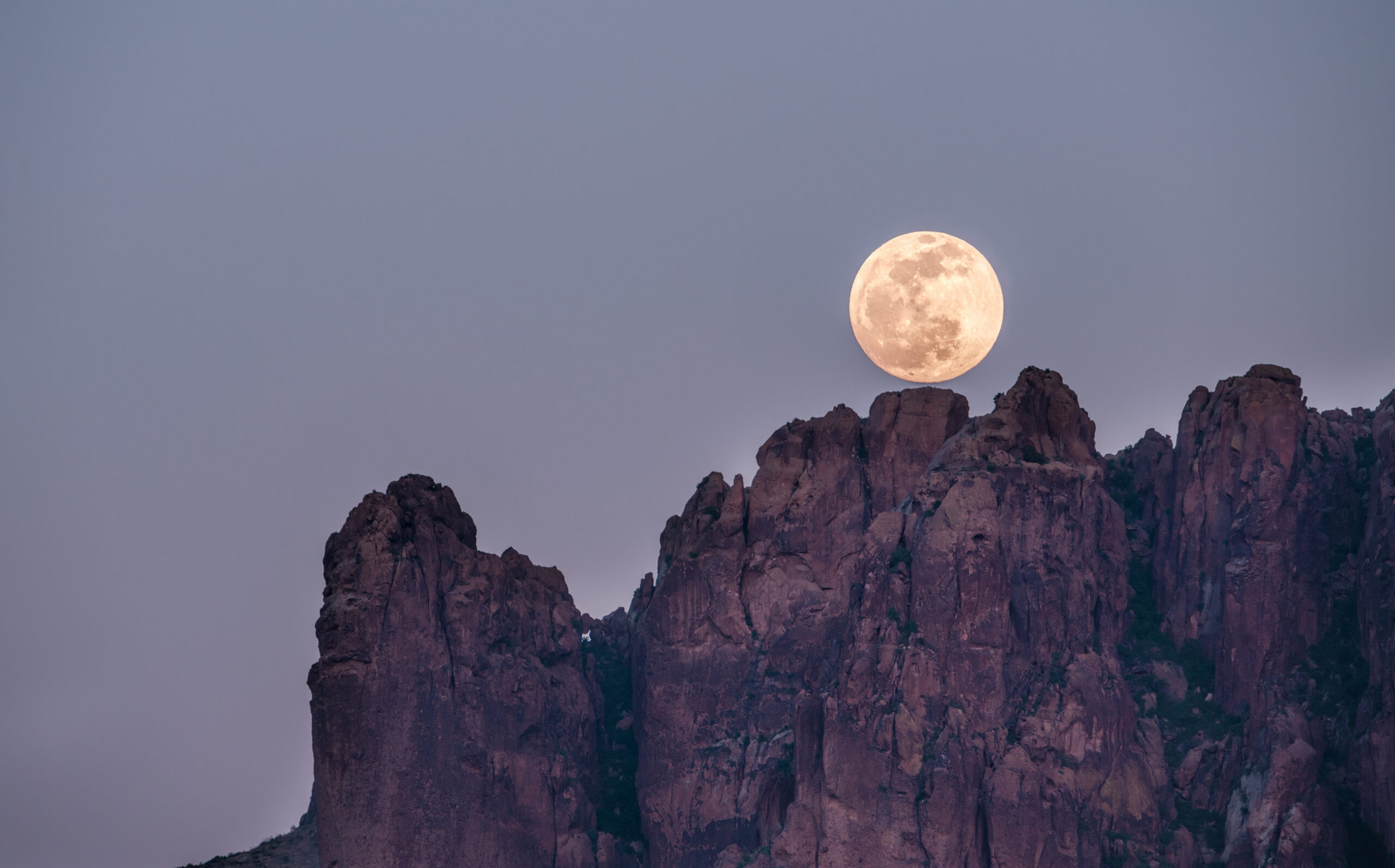
A Desert That Works Together
Take the saguaro cactus, one of the most iconic symbols of Arizona. It doesn’t grow alone. From the moment a saguaro seed sprouts, it often relies on a “nurse plant”—like a palo verde or mesquite tree—for shade and protection. Without that early partnership, many saguaros wouldn’t survive the harsh desert sun.
Later in life, the saguaro becomes a provider itself. Its flowers feed pollinators like bats, bees, and birds. Its fruit nourishes wildlife. And when it dies, its hollowed ribs become shelter for species ranging from owls to insects.
One plant, connected to dozens of species across its lifetime.
The Night Shift You Never See
Much of the desert’s most important work happens after sunset. Lesser long-nosed bats travel miles each night, pollinating agave and cactus blooms. Without them, many desert plants wouldn’t reproduce—and entire food chains would be disrupted.
These nocturnal pollinators are a reminder that conservation isn’t always visible. Some of the most critical processes happen quietly, in the dark, far from hiking trails and scenic viewpoints.
Water: The Ultimate Connector
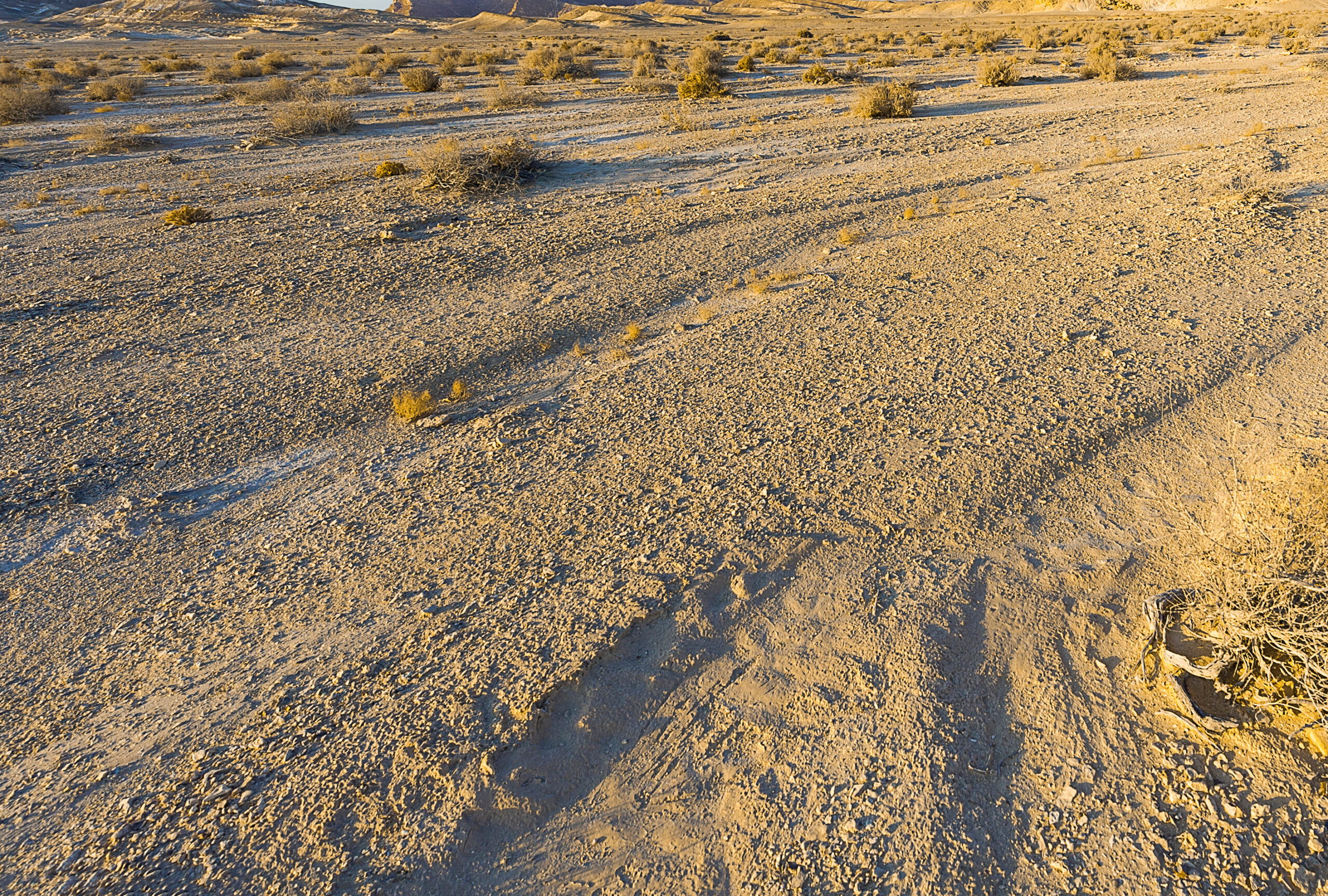
In the Superstition region, water is rare—but when it appears, it changes everything. A small seasonal wash or seep can support an explosion of life: insects, amphibians, birds, and mammals all converging around a temporary source.
These fleeting water sources act like lifelines, connecting species across vast distances. Protecting land means protecting these subtle, often overlooked systems that sustain biodiversity.
Why Connectivity Matters for Conservation
Fragmentation is one of the biggest threats to desert ecosystems. Roads, development, and human activity can break apart the natural connections that species rely on—cutting off migration routes, limiting access to food and water, and reducing genetic diversity.
That’s why land conservation isn’t just about preserving isolated parcels. It’s about maintaining corridors—continuous stretches of habitat that allow wildlife and ecological processes to move freely.
At Superstition Area Land Trust, our work focuses on protecting these connections. Because when the links between species and habitats are broken, the entire system weakens.
Seeing the Desert Differently
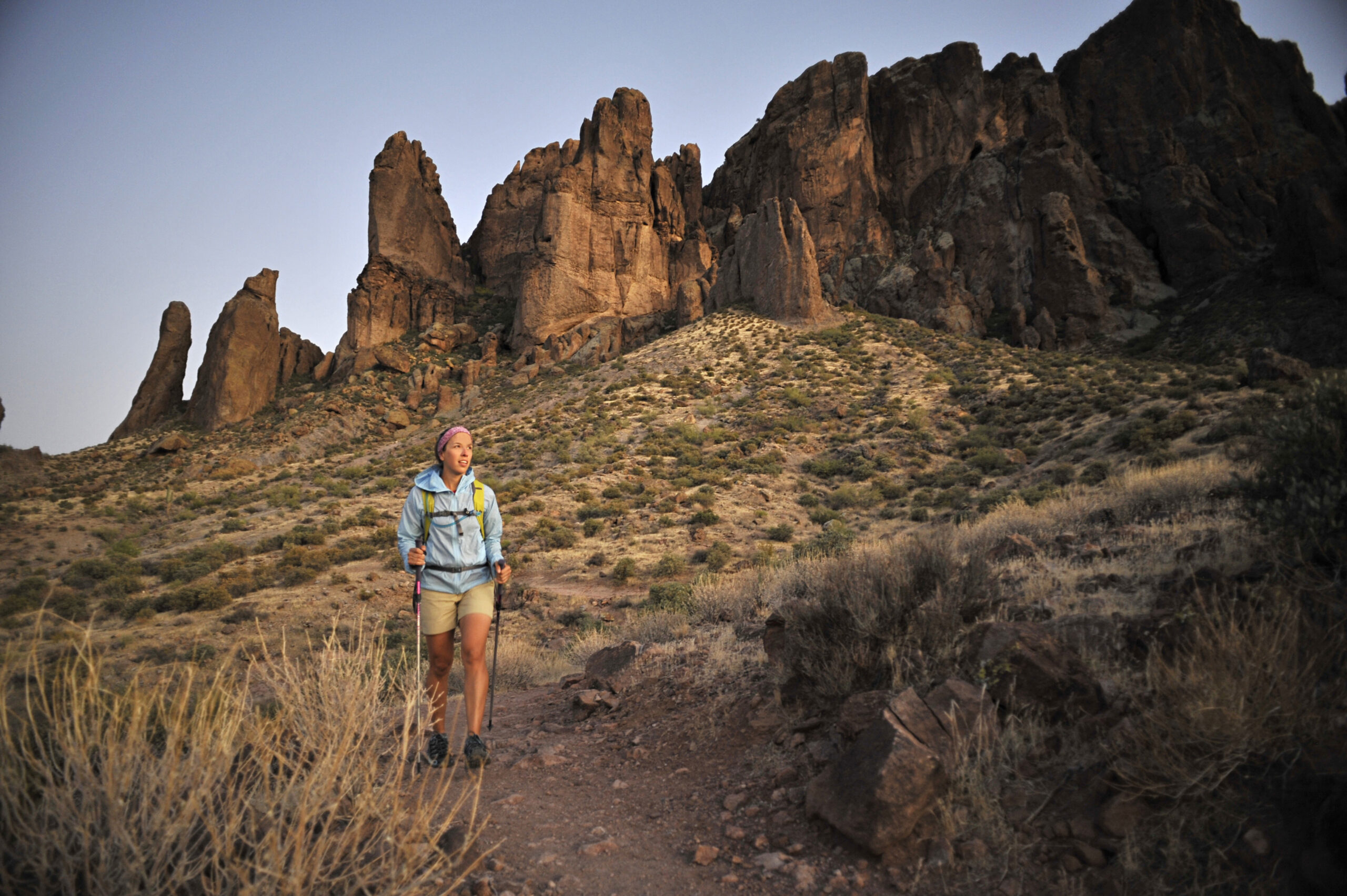
Next time you visit the Superstitions, try looking beyond the surface. Notice the young cactus growing under a tree. Listen for birds at dawn and dusk. Imagine the nighttime pollinators moving silently through the desert.
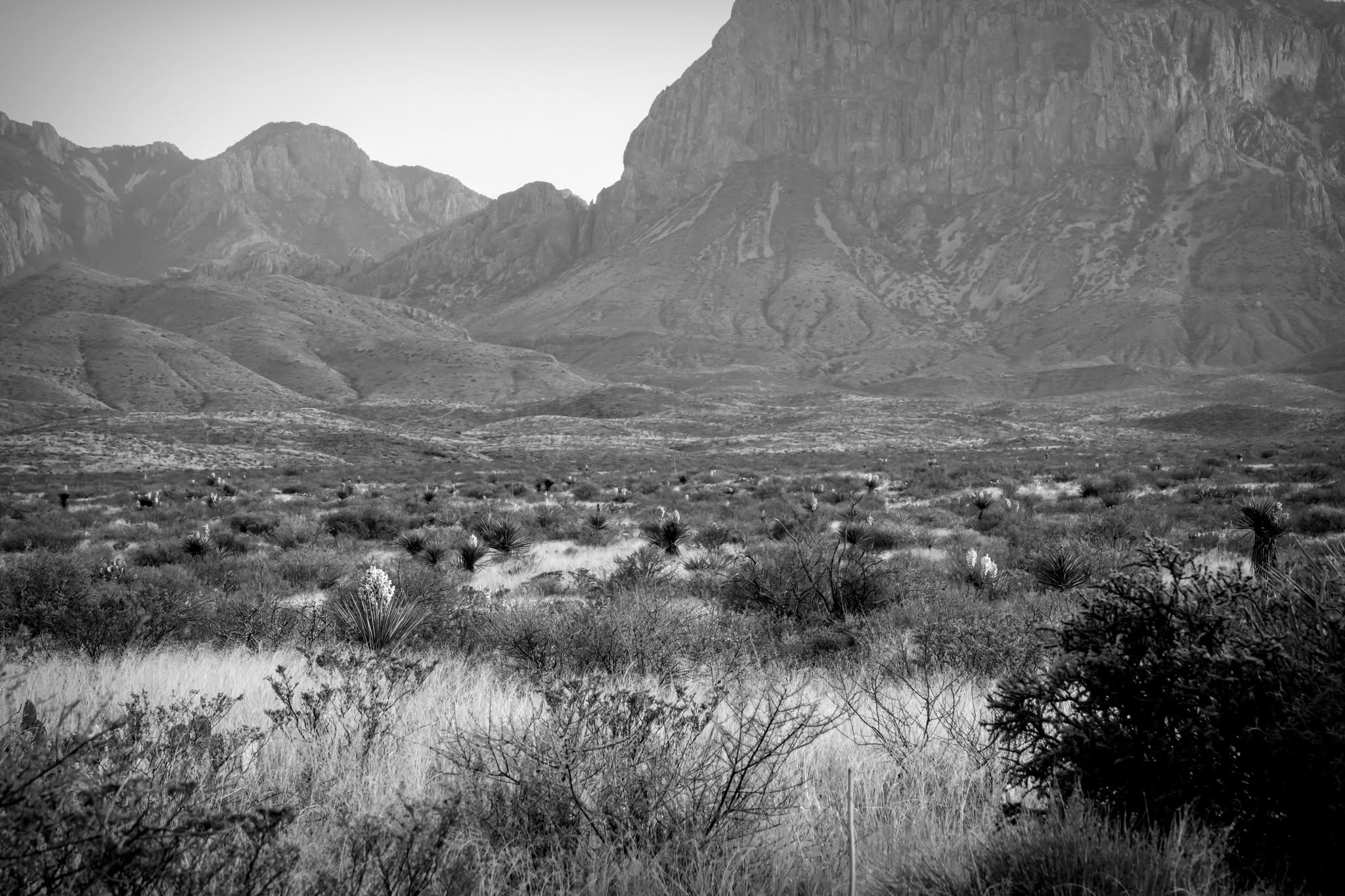
What may seem like a quiet, sparse landscape is actually a dynamic, interconnected system—one that depends on balance, timing, and cooperation.
And that’s exactly what we’re working to protect.
Superstition Area Land Trust is dedicated to preserving the natural beauty, wildlife habitat, and open spaces of the Superstition region for generations to come. Learn more about how you can support local conservation efforts and help protect the connections that keep our desert thriving.