When the Desert Comes Alive: Why Monsoon Season in the Superstitions Matters
Every summer, Arizona waits for the sky to change.
The heat builds for weeks. The trails empty by noon. The desert looks still, exhausted, almost silent beneath the weight of another triple-digit day. And then, somewhere over the Superstition Mountains, the clouds begin to rise.
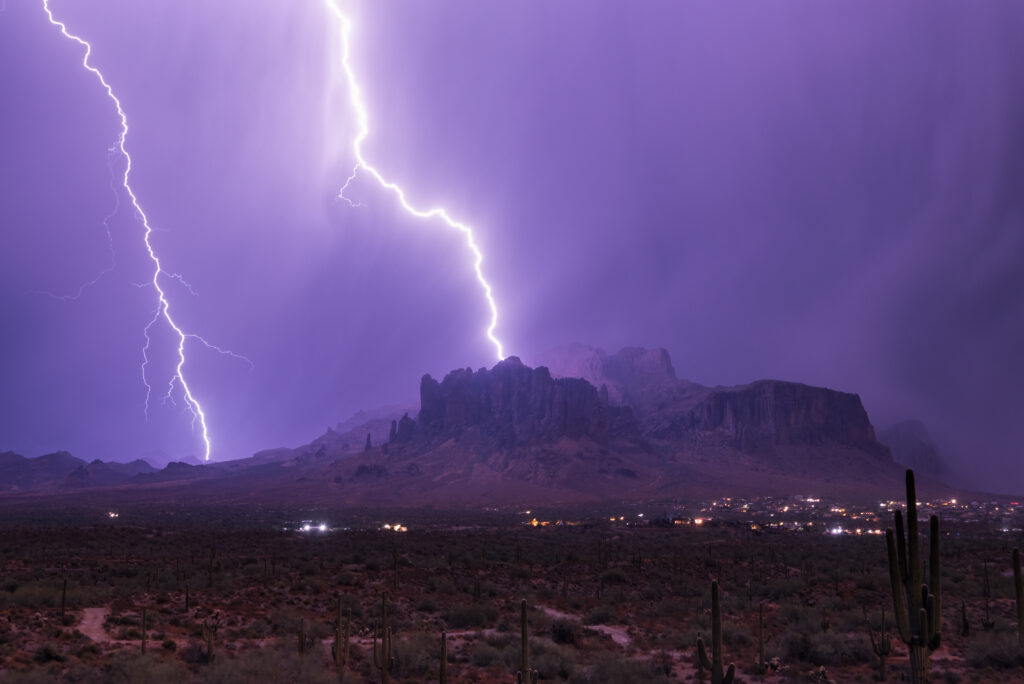
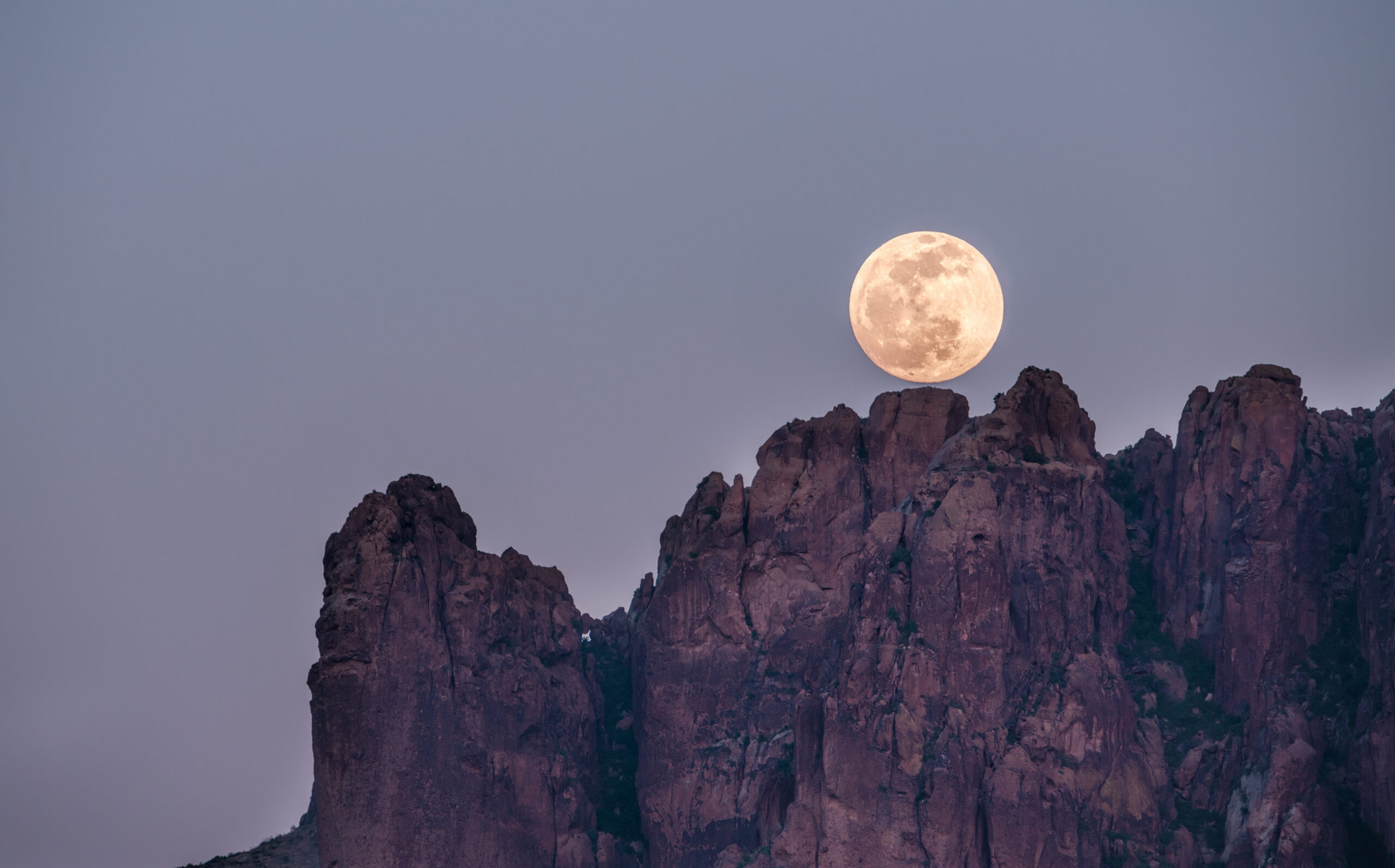
Towering monsoon storms roll across the horizon like living mountains themselves — dark, electric, impossible to ignore. The wind shifts. The smell of creosote fills the air. Dust rises from the valley floor. Lightning cracks over ancient rock formations that have stood in the desert for millions of years.
For many Arizonans, monsoon season is more than weather. It’s memory. It’s identity. It’s the feeling of watching the sky from your driveway as a kid. It’s late summer hikes cut short by thunder in the distance. It’s flash floods through dry washes that looked lifeless only hours before.
And in the Superstitions, monsoon season reminds us of something important: the desert is alive.
A Landscape Built for Survival
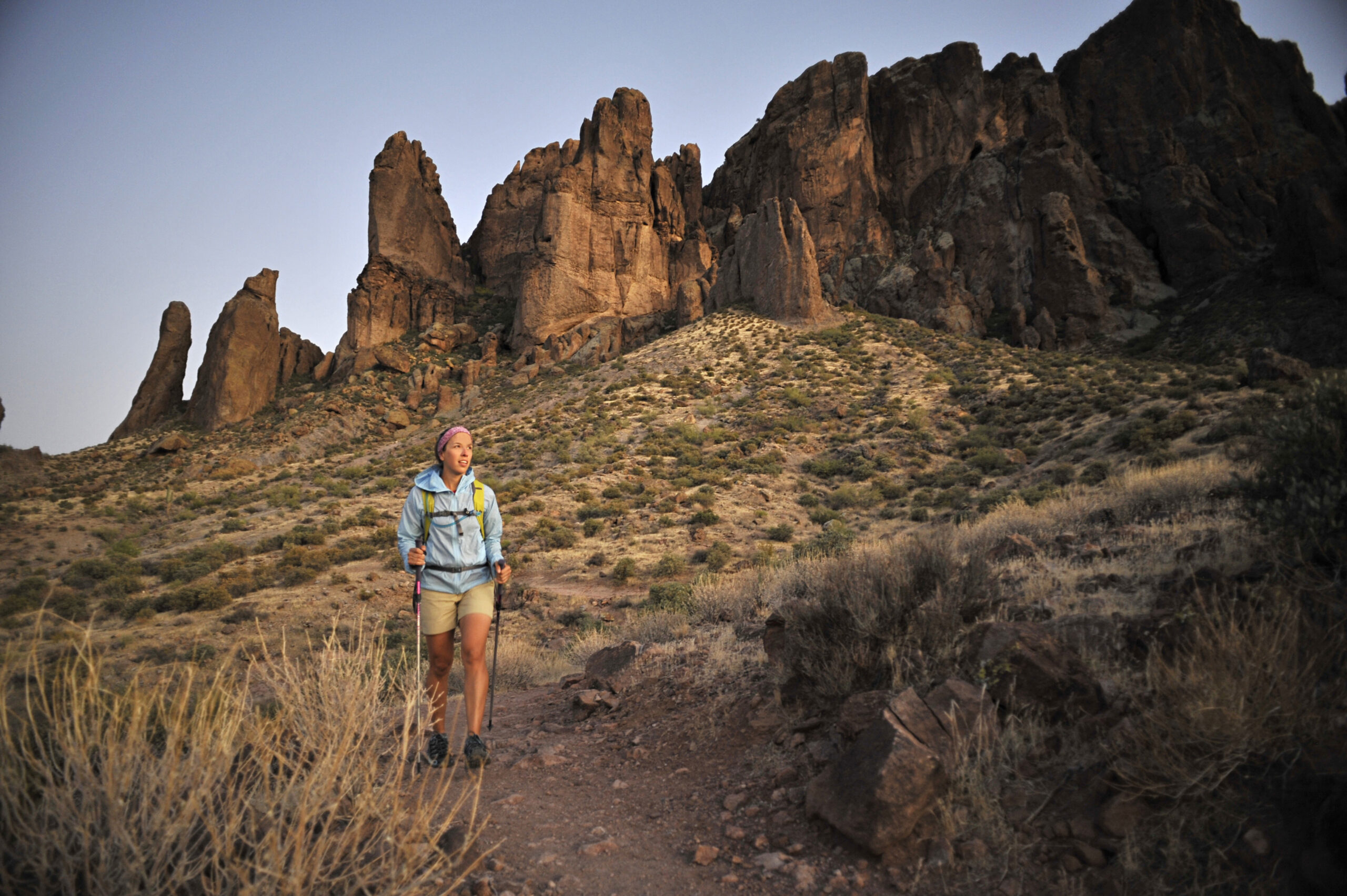
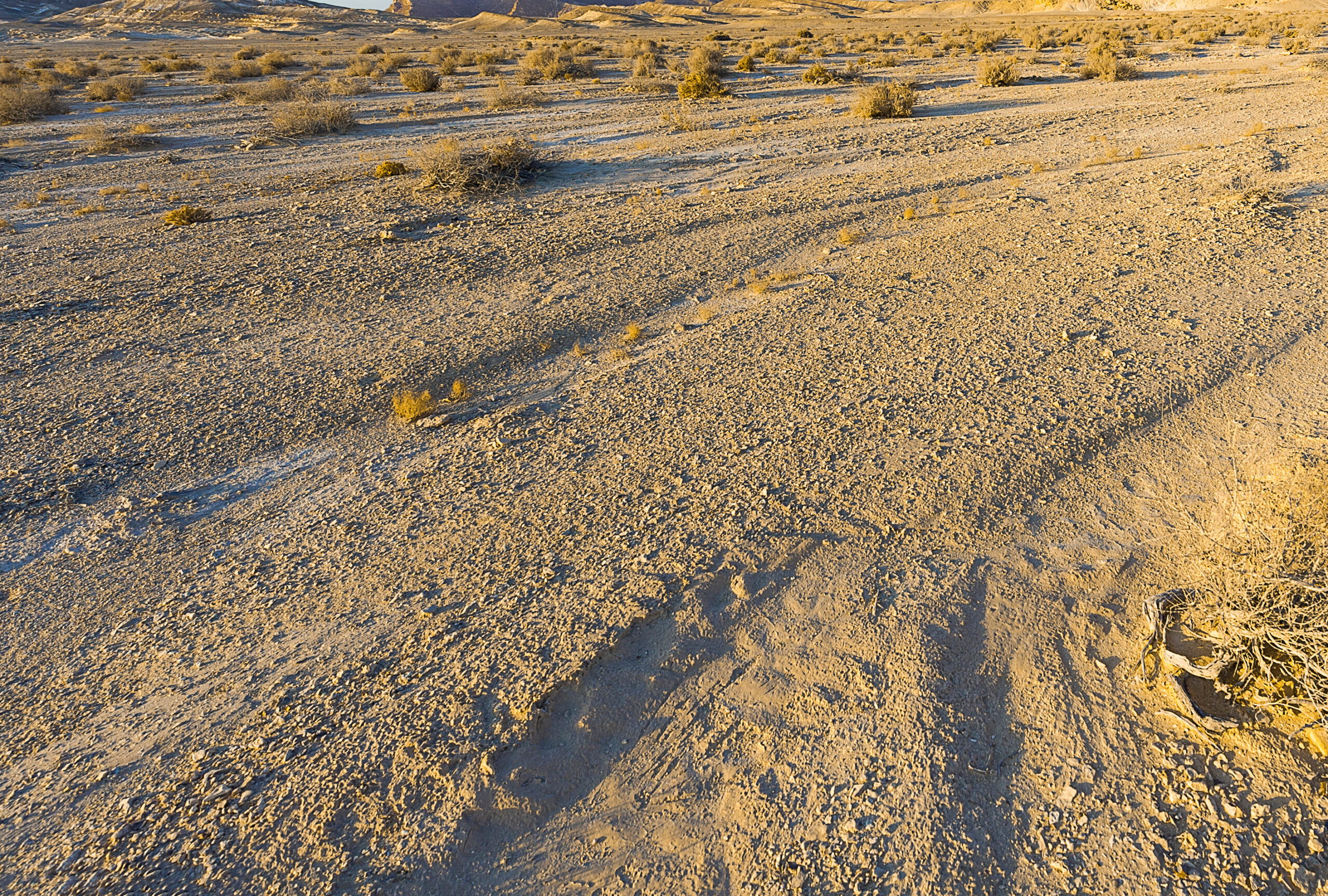
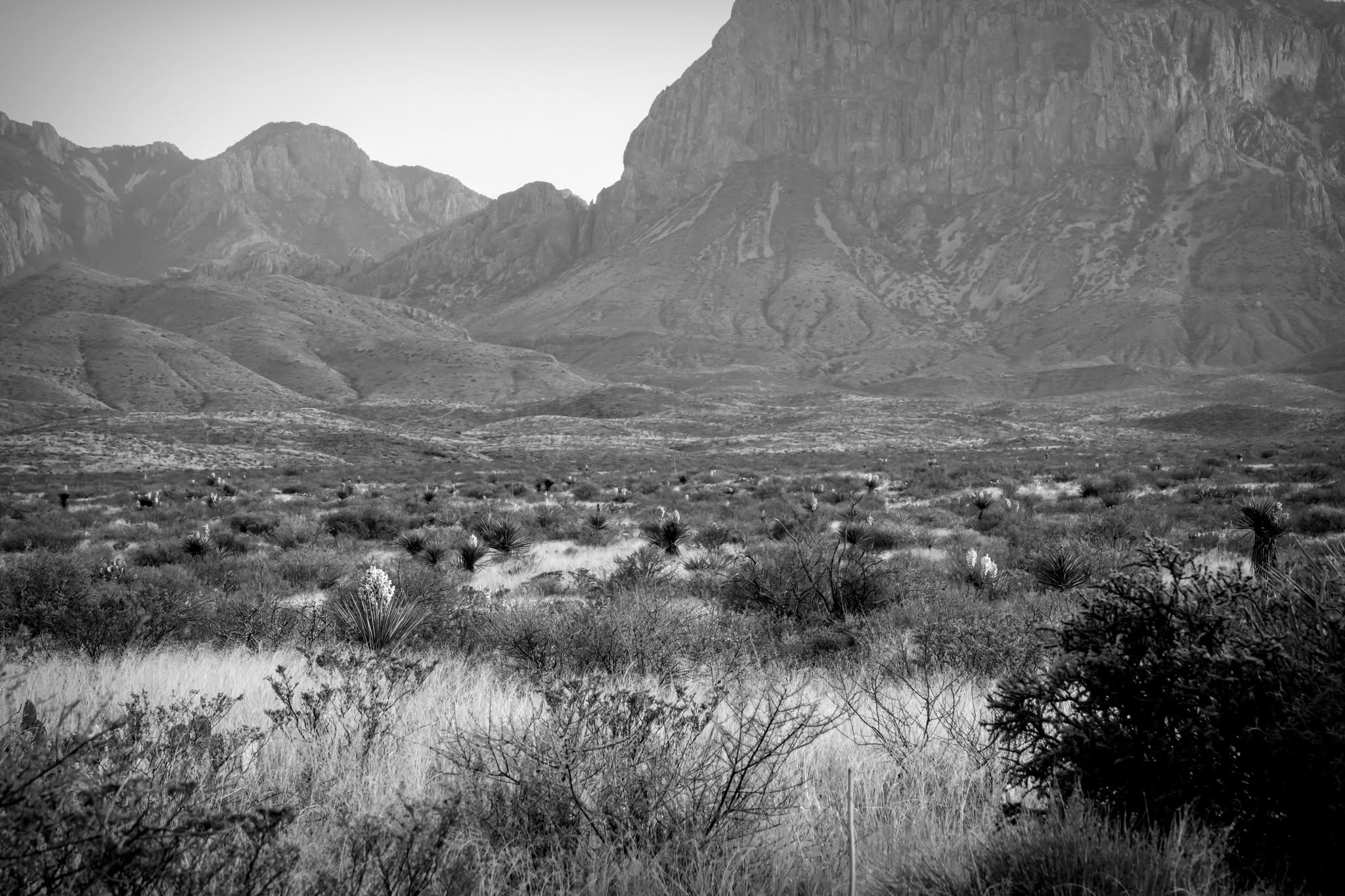
The Sonoran Desert is often misunderstood by people who only see it from a car window. From a distance, it can look empty. Harsh. Endless.
But monsoon season reveals the truth.
Rainfall triggers an explosion of life across the desert floor. Native plants store water and bloom. Wildlife becomes active. Dry riverbeds suddenly carry rushing water through canyons and washes. The desert transforms almost overnight, showing just how interconnected and fragile the ecosystem really is.
The Superstition Wilderness in particular is home to an incredible range of biodiversity — saguaros, palo verde trees, coyotes, javelina, hawks, reptiles, pollinators, and plant species uniquely adapted to survive one of the most extreme climates in North America.
But survival here depends on balance.
And that balance is becoming harder to protect.
Growth Is Changing the Desert
Arizona continues to grow rapidly, especially along the edges of natural desert landscapes. More development, more traffic, and more pressure on open land are reshaping the spaces people have loved for generations.
At the same time, climate change is intensifying drought conditions, increasing wildfire risk, and creating more unpredictable weather patterns throughout the Southwest.
Monsoon storms themselves are becoming more extreme. When healthy desert land is replaced with pavement and unchecked expansion, the natural systems designed to absorb and manage rainfall begin to fail. Flooding worsens. Habitats shrink. Native species lose ground.
What disappears first is often subtle: A quiet trail. A wildlife corridor. An uninterrupted view of the mountains at sunset.
But over time, those small losses become permanent ones.
Conservation Is About More Than Preservation
Protecting the Superstitions doesn’t mean freezing Arizona in time. Growth is inevitable. Communities evolve. Families move here for opportunity, beauty, and connection to the outdoors.
The question is whether we grow responsibly enough to keep the desert alive in the process.
Conservation means protecting public lands. It means respecting trail systems, preserving wildlife habitats, reducing litter and wildfire risks, and understanding that water is one of the Southwest’s most valuable resources.
It also means recognizing the emotional value of these places.
Because anyone who has stood beneath a monsoon sky in the Superstitions understands this instinctively: some landscapes shape who we are.
Why This Matters Now
The Superstition Mountains are more than a backdrop for photos or weekend hikes. They are part of Arizona’s story.
And every monsoon season serves as a reminder that the desert is resilient — but not invincible.
Future generations deserve the chance to experience what so many Arizonans already know: The smell of rain hitting desert earth. The silence before a thunderstorm. The first sight of the Superstitions rising beneath a dark summer sky.
Those experiences are worth protecting.
Because once the desert is gone, we don’t get it back.
About SALT
Welcome to SALT
The Superstition Area Land Trust (SALT) works with public agencies to protect vulnerable Sonoran Desert foothills—part of Arizona’s 9 million acres of state trust land—threatened by urban sprawl and managed primarily for revenue.
Donating to the Superstition Area Land Trust (SALT) helps preserve the Sonoran Desert’s fragile foothills, wildlife, and open spaces for future generations.