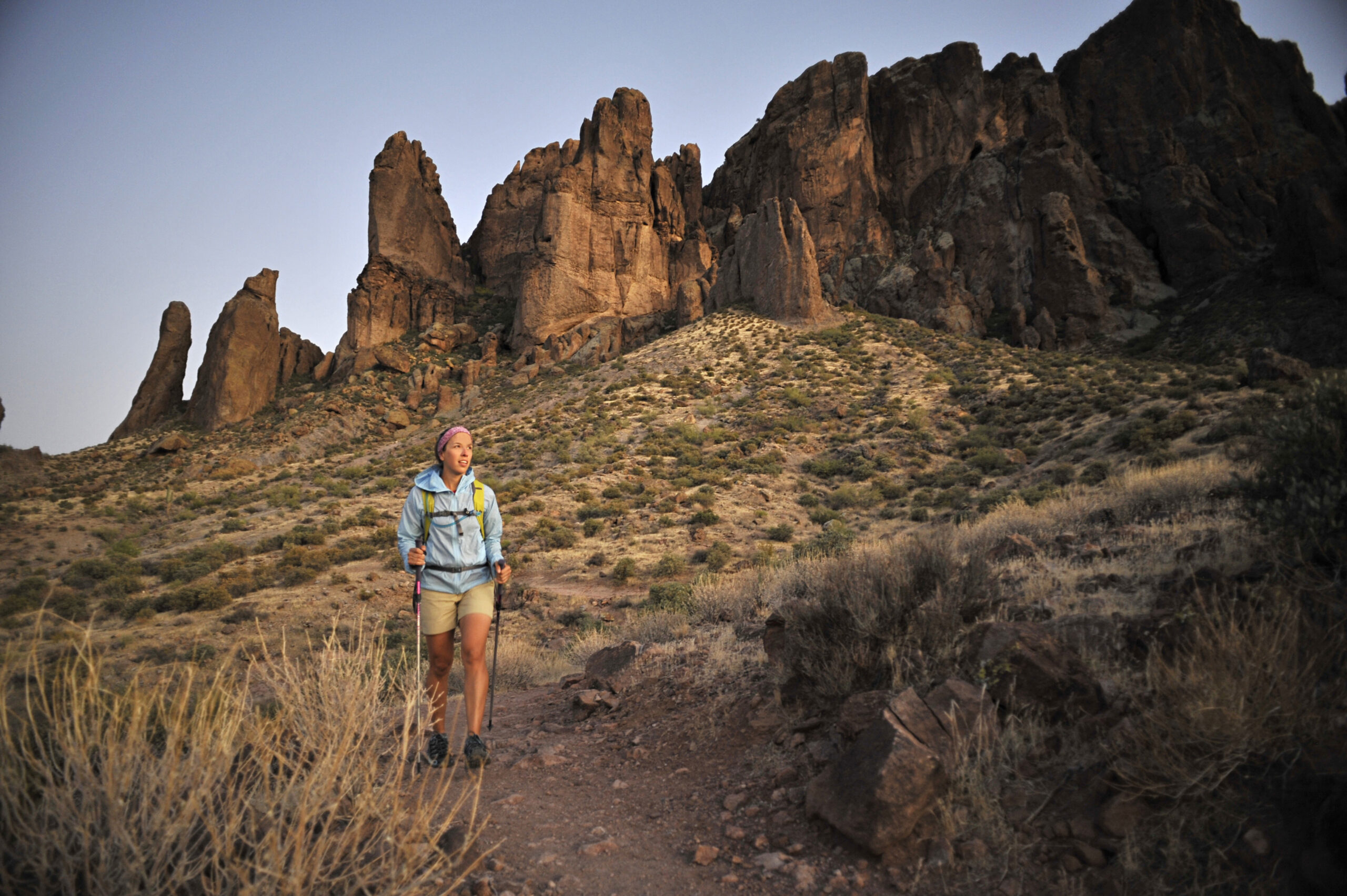
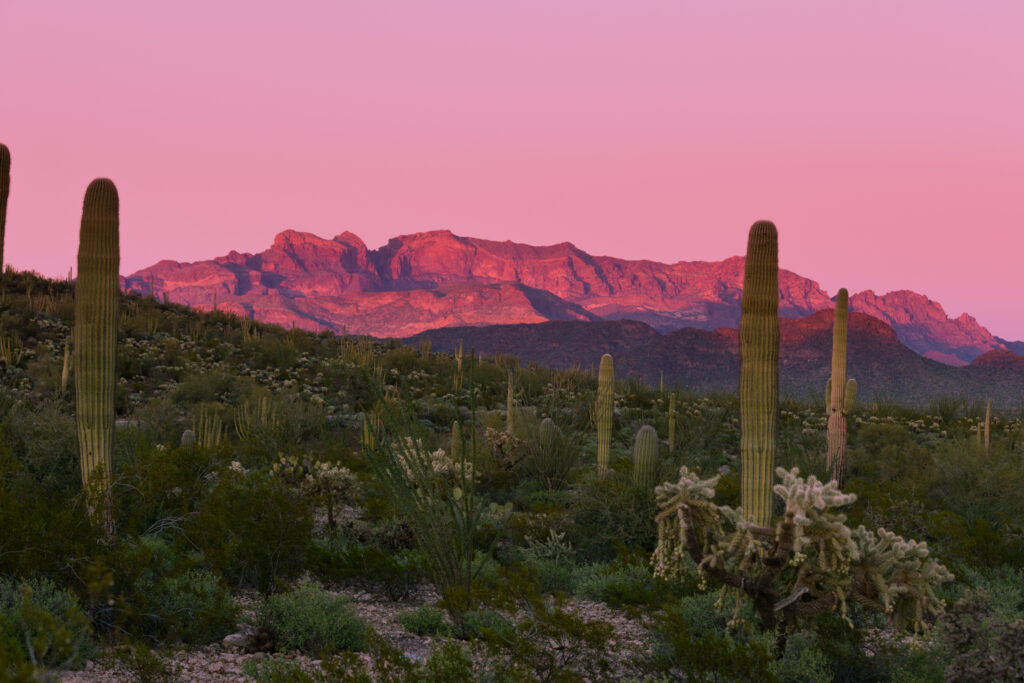
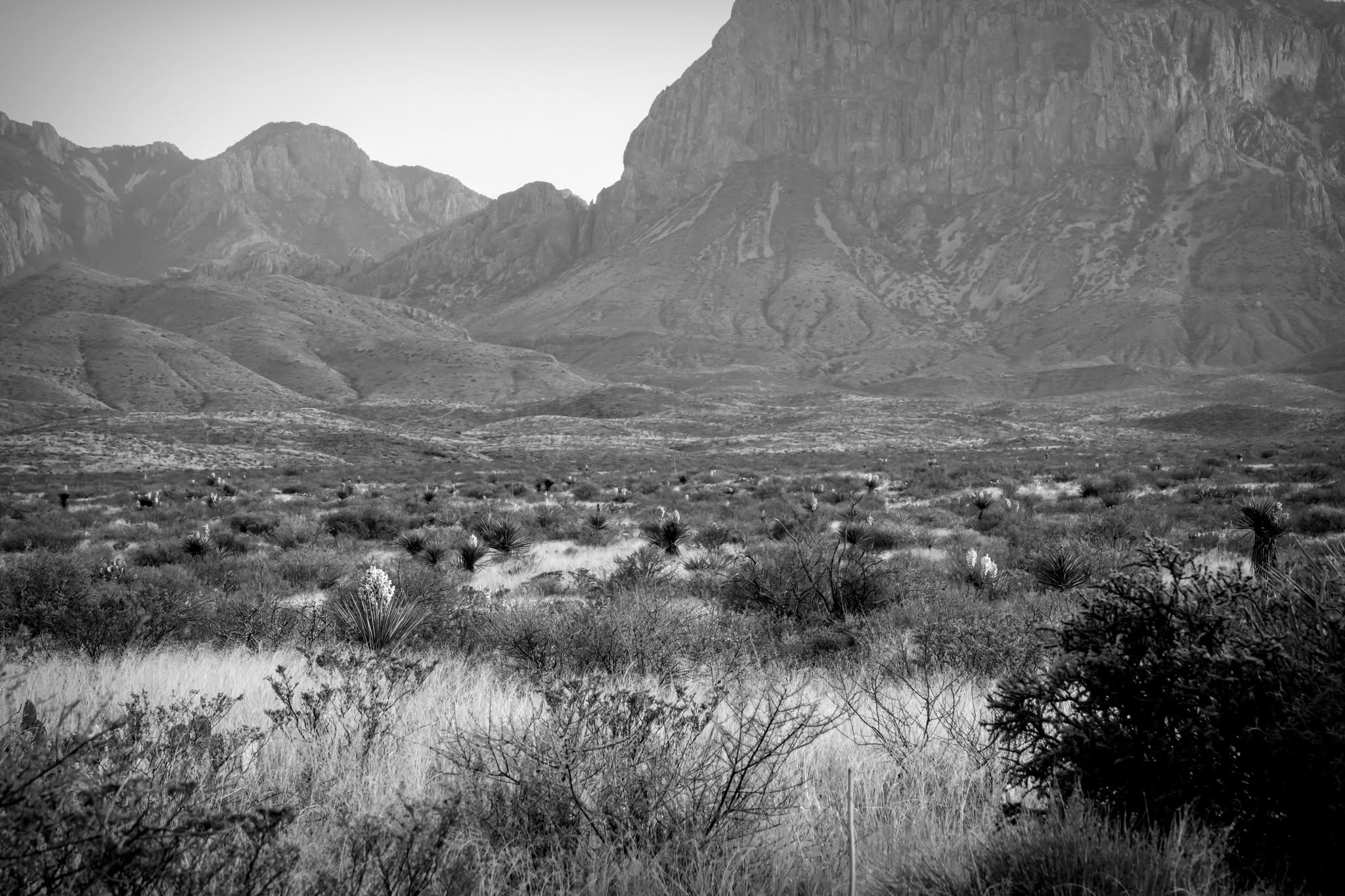
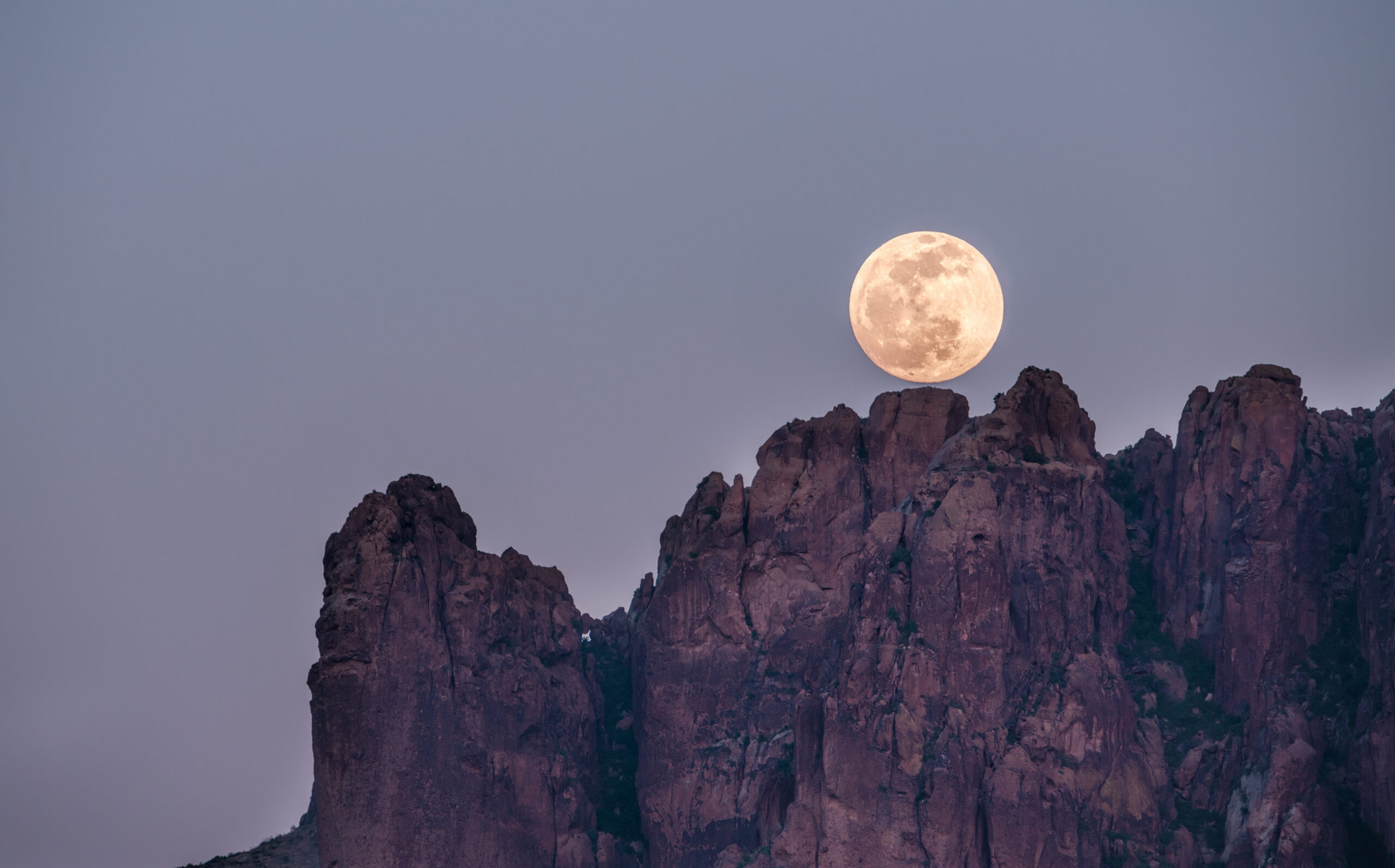
The Superstition Mountains are more than a backdrop to Arizona life—they are a living system, a cultural landmark, and a rare piece of wild land that still feels untouched in a rapidly growing state.
But what happens if we don’t protect them?
It’s easy to assume these landscapes will always be there. The cliffs will still rise, the saguaros will still stand, and the trails will still wind through the desert. But without intentional conservation, the future of the Superstitions could look very different.
The Slow Creep of Development
Arizona is one of the fastest-growing states in the country. As cities expand outward, pressure builds on nearby open spaces. Land that once felt remote becomes increasingly valuable for housing, roads, and infrastructure.
Without protection, parcels surrounding the Superstitions could gradually be sold and developed—fragmenting the landscape piece by piece. What was once uninterrupted desert becomes divided, reducing not just its beauty, but its ecological function.
Habitat Loss and Disrupted Wildlife
The Superstitions are home to a wide range of wildlife—from javelina and mule deer to birds, reptiles, and pollinators that depend on intact desert ecosystems.
When land is developed or disturbed, habitat doesn’t just shrink—it breaks apart. Wildlife corridors disappear. Migration patterns are disrupted. Species that rely on large, connected landscapes struggle to survive.
What looks like a single road or a few homes can have ripple effects across an entire ecosystem.
Increased Human Impact
As access increases without stewardship, so do the impacts:
- Trail erosion from overuse
- Off-trail damage to fragile vegetation
- Illegal dumping and vandalism
- Greater wildfire risk
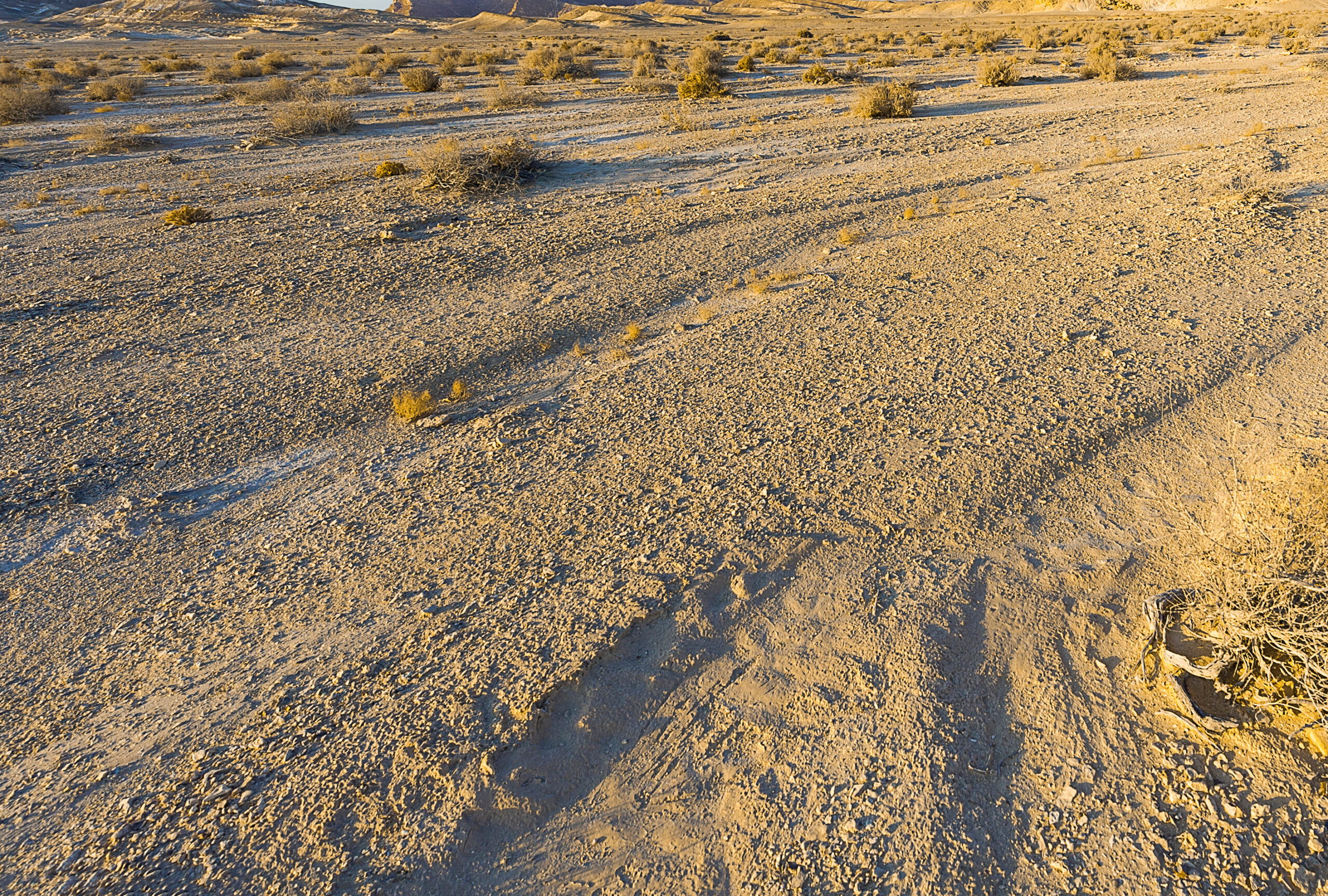
Desert environments recover slowly. A single footprint off-trail can last for years. Damage that seems small in the moment can take decades to heal.
Loss of the “Wild” Experience
There’s something unique about the Superstitions—the sense of space, quiet, and rawness that’s hard to find anywhere else.
Without protection, that experience changes.
Noise travels farther. Night skies grow brighter. Trails become crowded. The feeling of stepping into something timeless is replaced by something managed, fragmented, and diminished.
Once that sense of wildness is lost, it’s nearly impossible to restore.
Cultural and Historical Impact
The Superstitions hold deep cultural significance—from Indigenous history to the enduring legends that shape Arizona’s identity.
As land changes, so does our connection to it. Preserving these landscapes isn’t just about protecting nature—it’s about protecting stories, heritage, and a sense of place.
The Alternative: Protection with Purpose
The future doesn’t have to follow this path.
Through conservation efforts—like land protection, stewardship, and community involvement—we can ensure the Superstitions remain intact. Protected land stays connected. Wildlife continues to thrive. People can experience the desert as it was meant to be.
Organizations like the Superstition Area Land Trust work to make this future possible by safeguarding critical lands before they’re lost.
What’s at Stake
This isn’t just about preserving scenery. It’s about protecting:
- Biodiversity
- Clean air and natural water systems
- Outdoor recreation and mental well-being
- Arizona’s identity and heritage
The cost of doing nothing isn’t immediate—but it is inevitable.
A Choice for the Future
Every generation shapes the landscape it leaves behind.
The question isn’t whether the Superstitions will change—it’s how.
With protection, they remain a place of wonder, resilience, and connection.
Without it, they become just another area that used to be wild.
The choice is still ours.