More Than a Donation—It’s a Chain Reaction
When you donate to conservation, it can feel abstract. A number. A transaction. A good intention.
But what if you could actually see where your dollars go?
At the Superstition Area Land Trust (SALT), every donation sets off a chain reaction—one that protects land, preserves wildlife, and keeps the Superstitions wild for future generations.
This is the story of what really happens after you give.
Step 1: Your Donation Becomes Opportunity
Every dollar donated to SALT fuels one mission: protecting the Sonoran Desert surrounding the Superstition Wilderness Area.
But conservation in Arizona isn’t simple.
Much of the land SALT works to protect is held by the Arizona State Land Department—meaning it can be sold or developed at any time.
Your donation helps create something critical:
👉 The ability to act when land becomes available: Donate Today!
Step 2: Funding Real Conservation Actions
Once funding is secured, SALT puts it to work through real, on-the-ground strategies:
- Land acquisition – Purchasing key parcels before development
- Conservation easements – Protecting land without changing ownership
- Property transfers – Ensuring land is preserved long-term
These aren’t ideas—they’re proven methods SALT uses to protect the Superstitions.
👉 Your donation isn’t symbolic—it’s tactical.
Step 3: Building Partnerships That Multiply Impact
One of the most powerful things your donation does?
It unlocks collaboration.
SALT works alongside organizations like:
- Tonto National Forest
- Bureau of Land Management
- Arizona Game & Fish
- Local governments and conservation groups
Your contribution helps fund planning, coordination, and advocacy—turning small donations into large-scale protection.
👉 One donation becomes many voices working together.
Step 4: Protecting Wildlife, Trails, and Open Space
When land is protected, the impact is immediate and long-lasting:
- Wildlife habitats remain intact
- Trail systems stay accessible
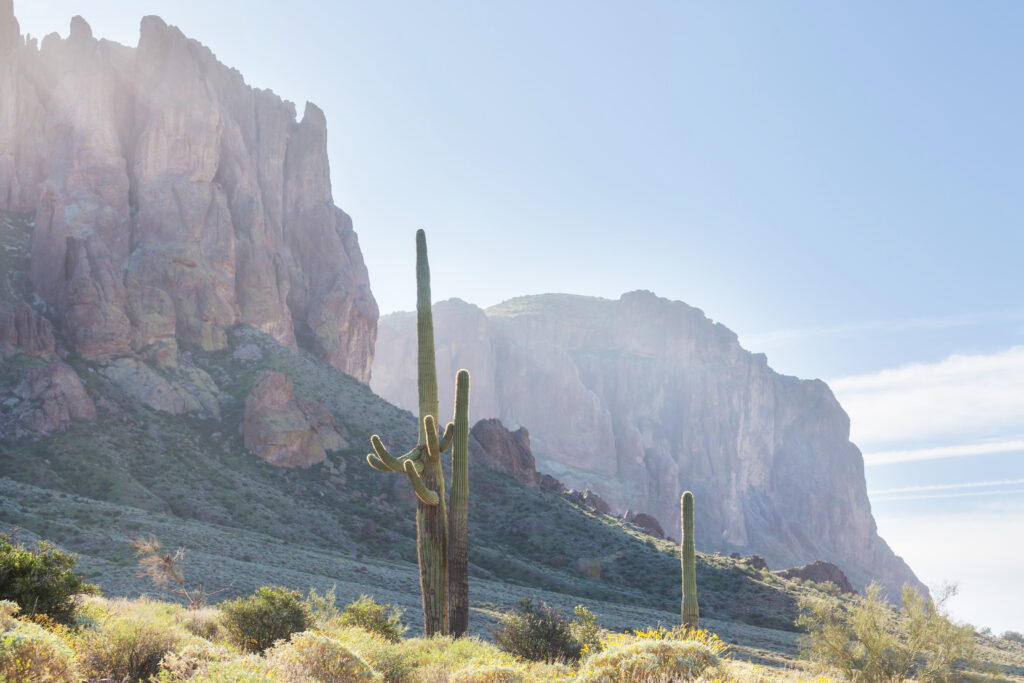
- Scenic views are preserved
- Urban sprawl is slowed
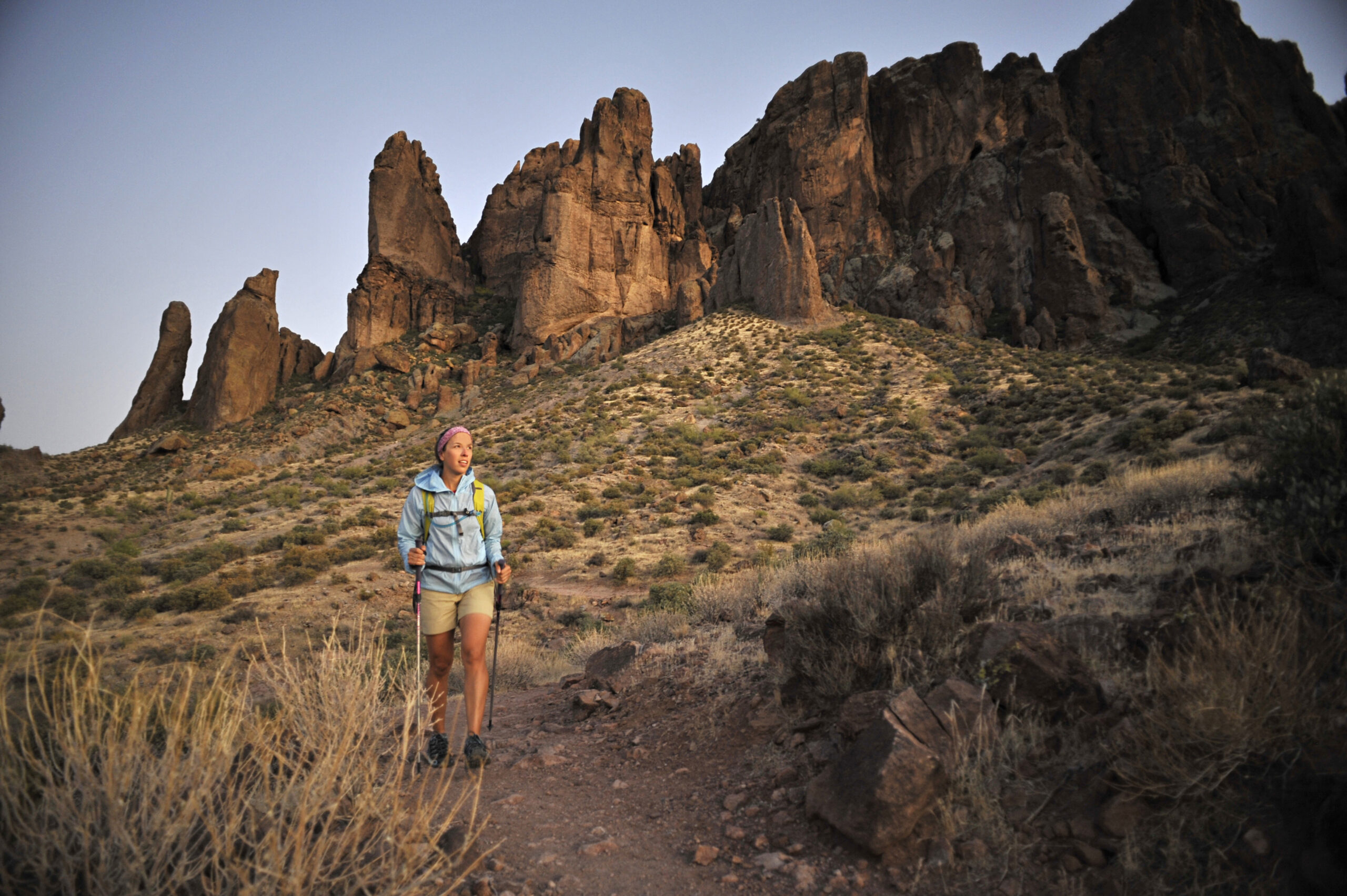
These foothill areas act as a critical buffer for the Superstition Wilderness—protecting ecosystems and recreational access.
👉 This is where your donation becomes something you can experience.
Learn More About What We Do
Step 5: Ensuring the Future of the Superstitions
Without intervention, these lands face a real risk:
- Development pressure from Phoenix expansion
- Loss of natural habitat
- Overuse and degradation of open space
SALT exists to prevent that outcome.
And your donation helps ensure:
- Future generations can hike these trails
- Families can experience untouched desert
- The Superstitions remain wild—not just remembered
Why Donations Matter More Than Ever
SALT has historically relied on volunteers and community support to make conservation possible.
That means every donation—large or small—directly contributes to:
- Land protection
- Conservation planning
- Education and advocacy
- Long-term stewardship
👉 This isn’t passive giving.
👉 This is active preservation.
A Different Way to Think About Giving
Instead of asking:
“Should I donate?”
Ask:
“What part of the desert do I want to protect?”
Because every donation:
- Saves a view
- Protects a habitat
- Preserves a trail
- Secures a legacy
Take Action: Be Part of the Story
The Superstitions don’t protect themselves.
They’re protected by people—people who care enough to act.
👉 Support conservation today: Donate Here!