The Challenge: Growth Meets Open Space
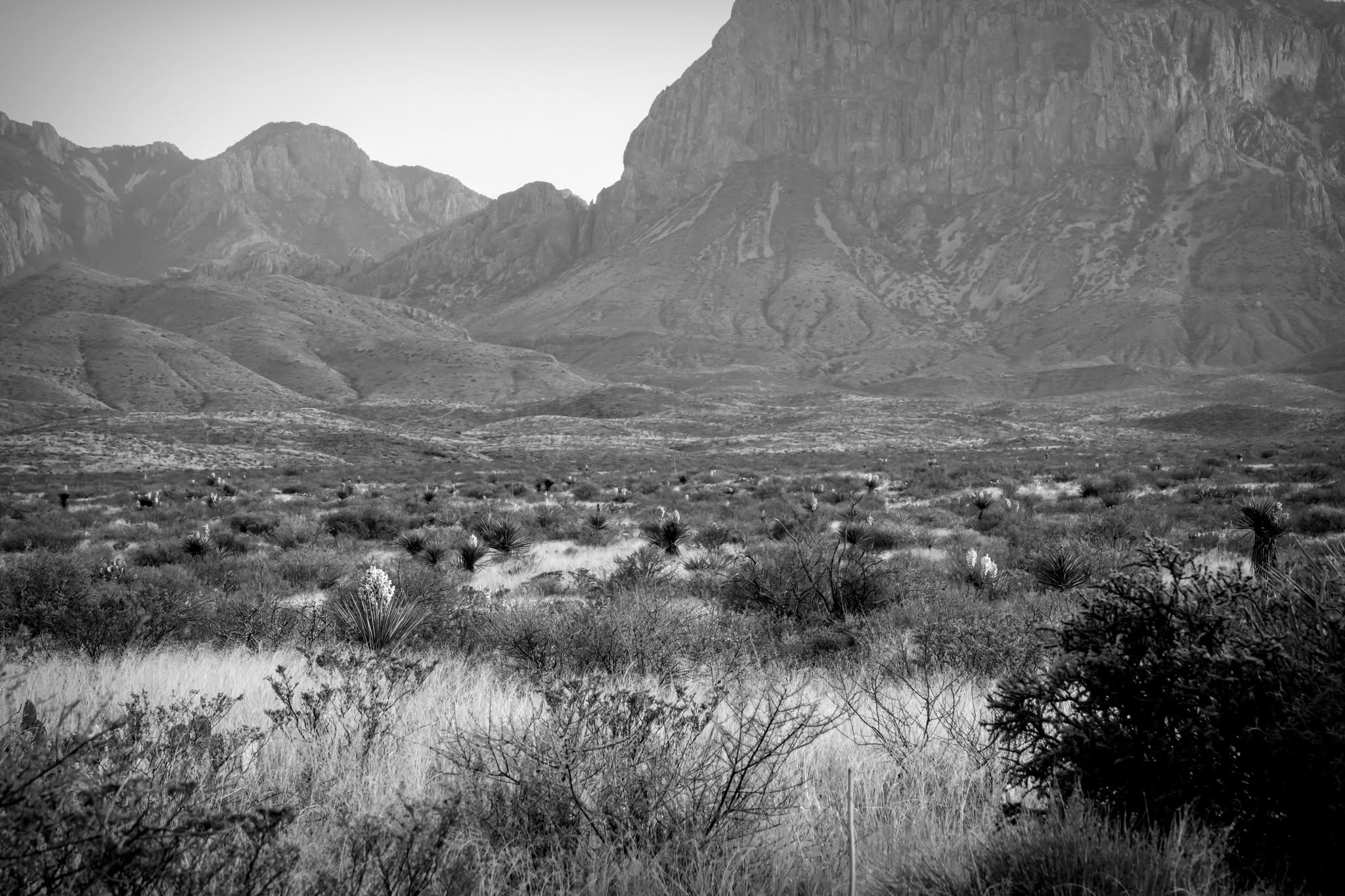
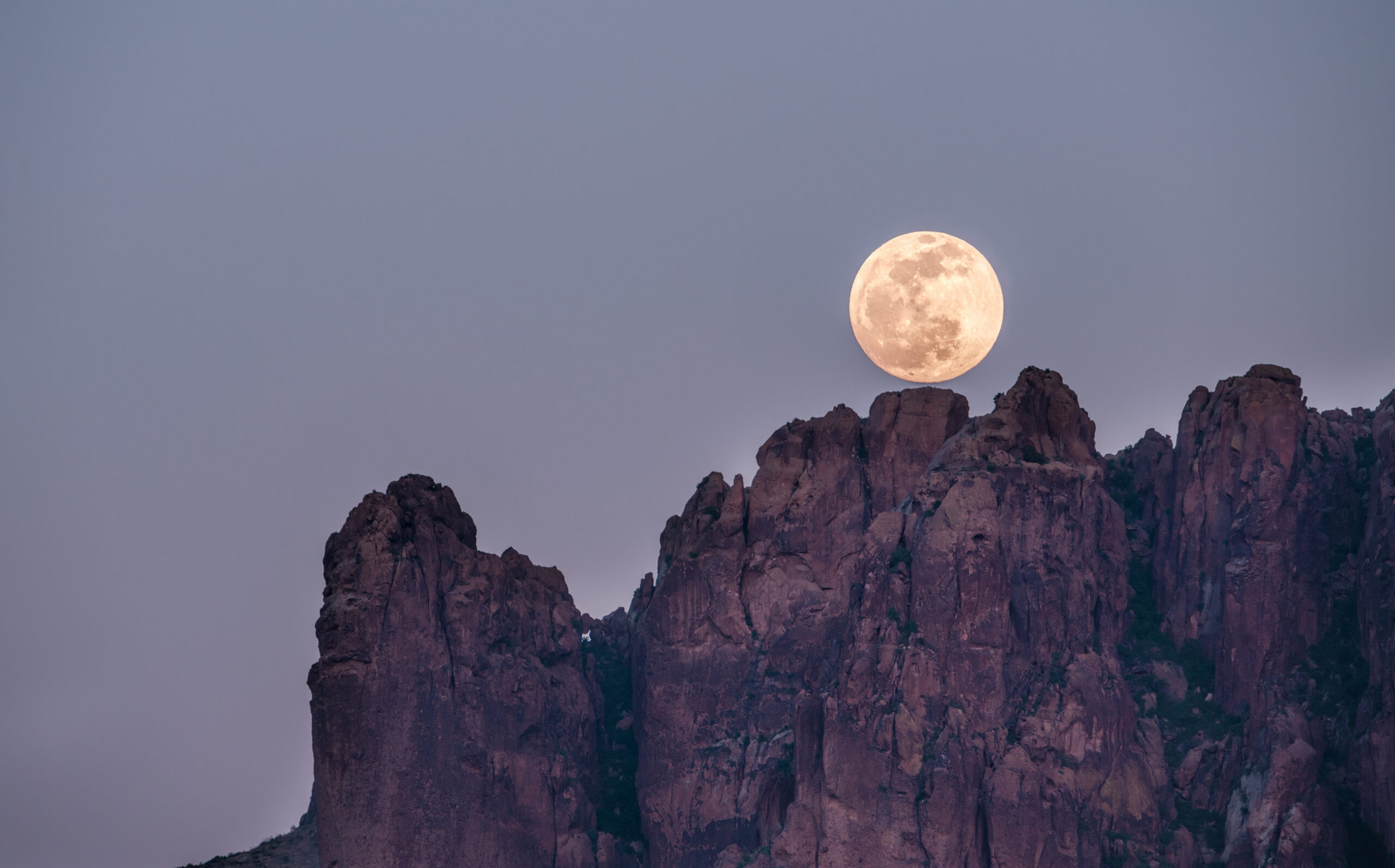
The lands surrounding the Superstition Mountains are some of the most scenic and ecologically important in Arizona. They are also increasingly desirable for development as the East Valley continues to grow.
Without proactive protection, open desert, wildlife corridors, and historic landscapes can disappear quickly—and permanently.
Once land is subdivided or developed, there’s no going back.
That’s why SALT works before land is lost.
What a Land Trust Actually Does
SALT is a nonprofit land trust dedicated to protecting open space in and around the Superstition Mountains. Unlike government agencies, land trusts work directly with landowners to find solutions that benefit both the land and the community.
Some of the tools SALT uses include:
Conservation easements – voluntary agreements that permanently protect land while allowing private ownership to continue
Land acquisition – purchasing land to ensure it remains undeveloped and conserved
Partnerships – working with landowners, municipalities, and conservation groups to achieve shared goals
Every project is built on trust, collaboration, and a shared love for this place.
From Threatened to Thriving
Many of the lands SALT helps protect were once vulnerable to development pressure. Today, they remain open, scenic, and ecologically intact because landowners chose conservation.
Protected land:
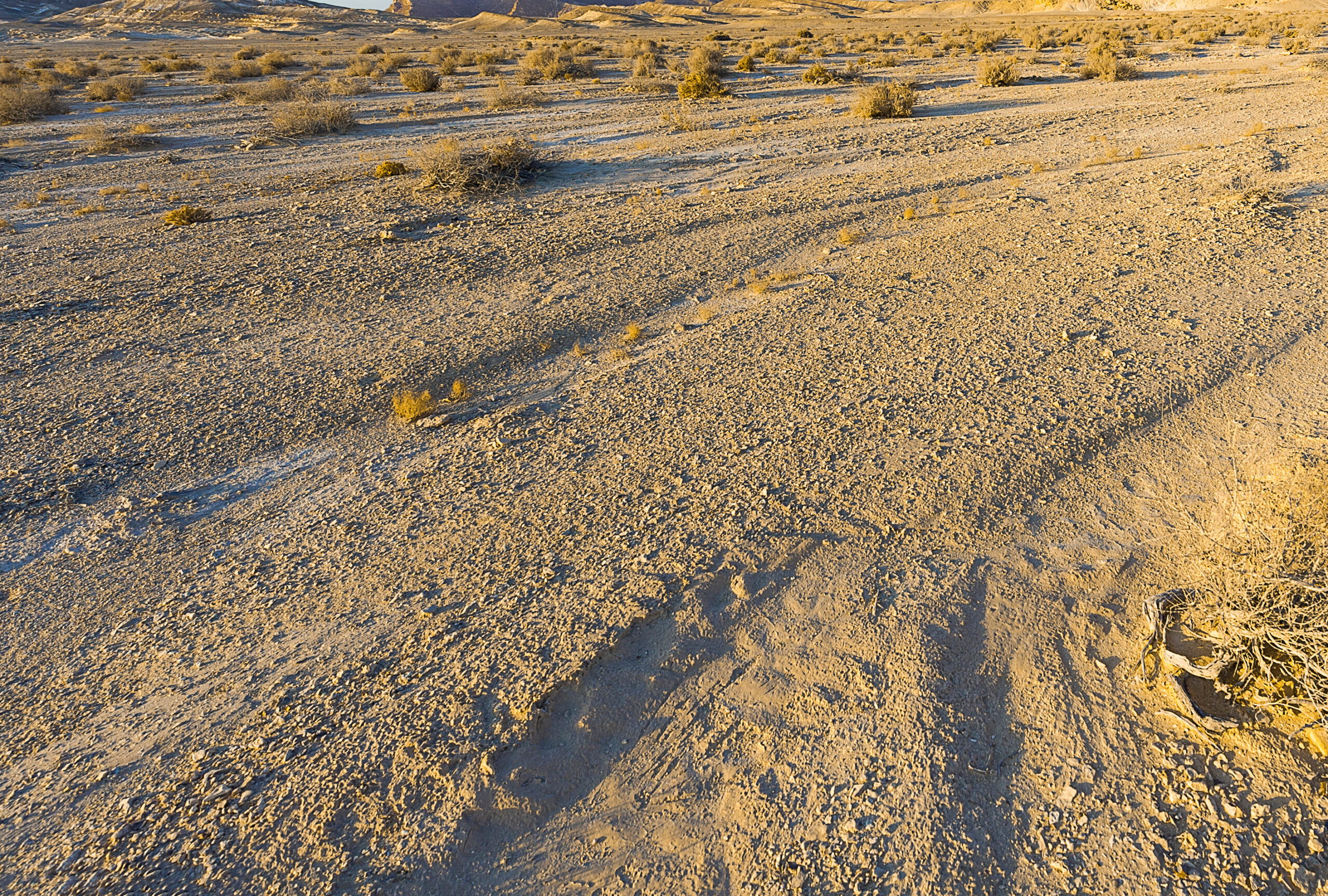
Maintains wildlife movement corridors
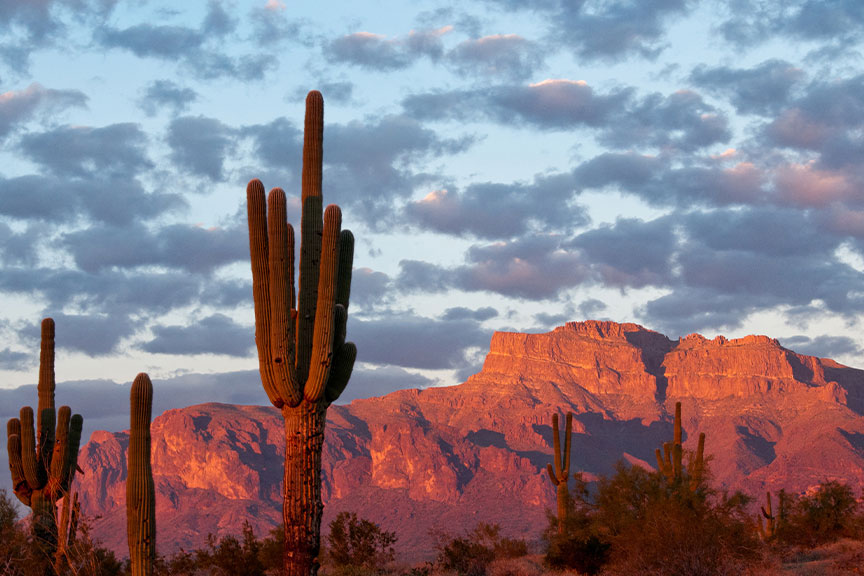
Preserves native Sonoran Desert plants
Protects viewsheds and natural character
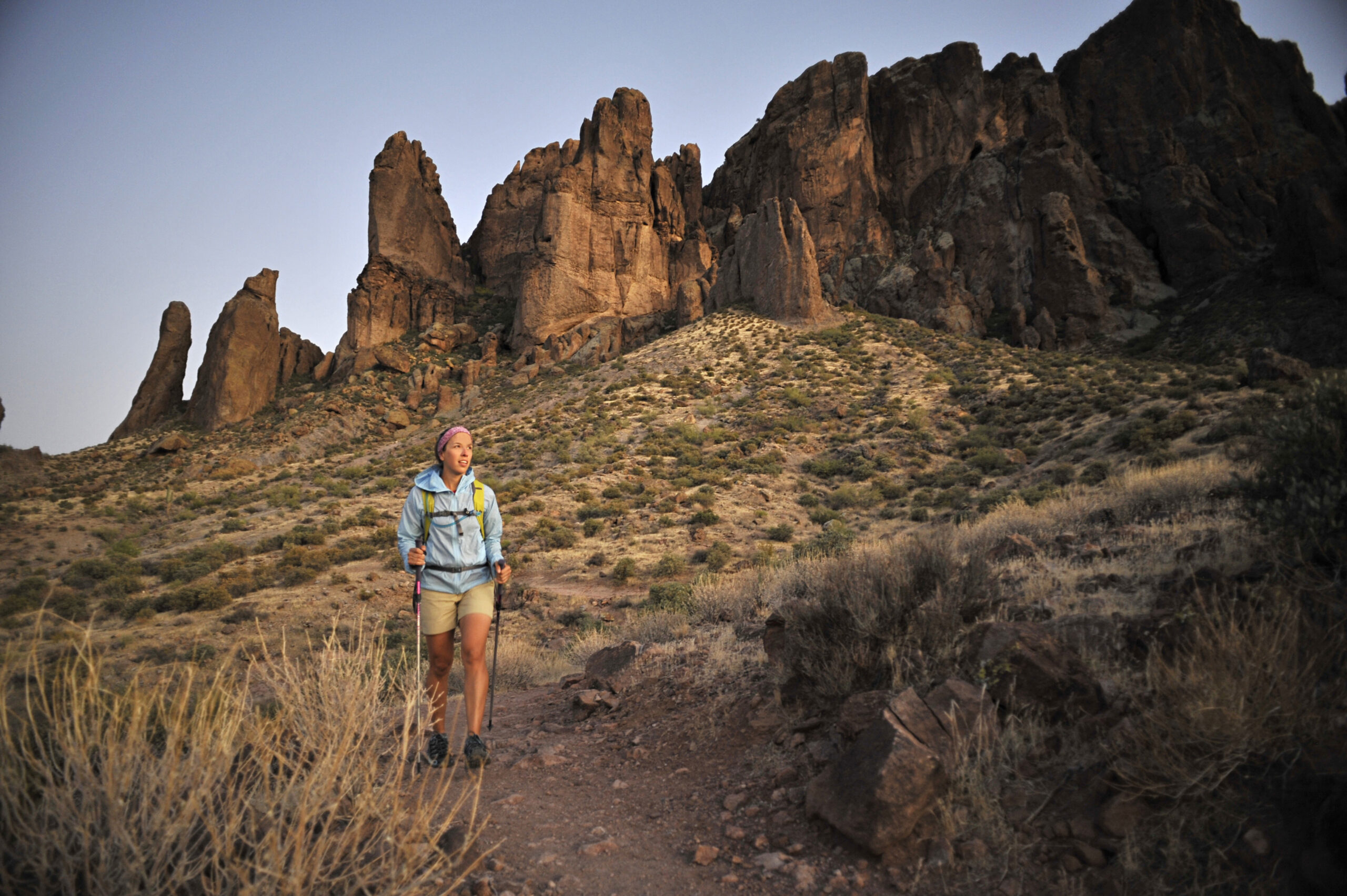
Supports outdoor recreation and education
Safeguards water resources and desert resilience
This is how land moves from threatened to thriving—not by chance, but by choice.
Why Local Conservation Matters
National parks and wilderness areas are essential, but local land trusts like SALT protect the spaces between them—the foothills, washes, ranchlands, and desert edges that make ecosystems whole.
These lands also shape daily life for nearby communities. They provide:
Access to nature close to home
Protection from unchecked sprawl
A connection to the history and identity of the Superstition region
Local conservation ensures that future generations experience the desert not just through photos, but firsthand.
How the Community Makes It Possible
SALT’s work is only possible because of community support.
Landowners who care deeply about their property, donors who invest in the future, volunteers who give their time, and advocates who share SALT’s mission all play a role.
Conservation isn’t something done to a community—it’s something done with it.
A Future Worth Protecting
Saving land isn’t about preserving the past. It’s about shaping the future.
Through thoughtful conservation, Superstition Area Land Trust ensures that as our region grows, the desert landscapes that define it continue to thrive.
Because once land is protected, its story continues—for wildlife, for people, and for generations to come.