A Season of Subtle Change
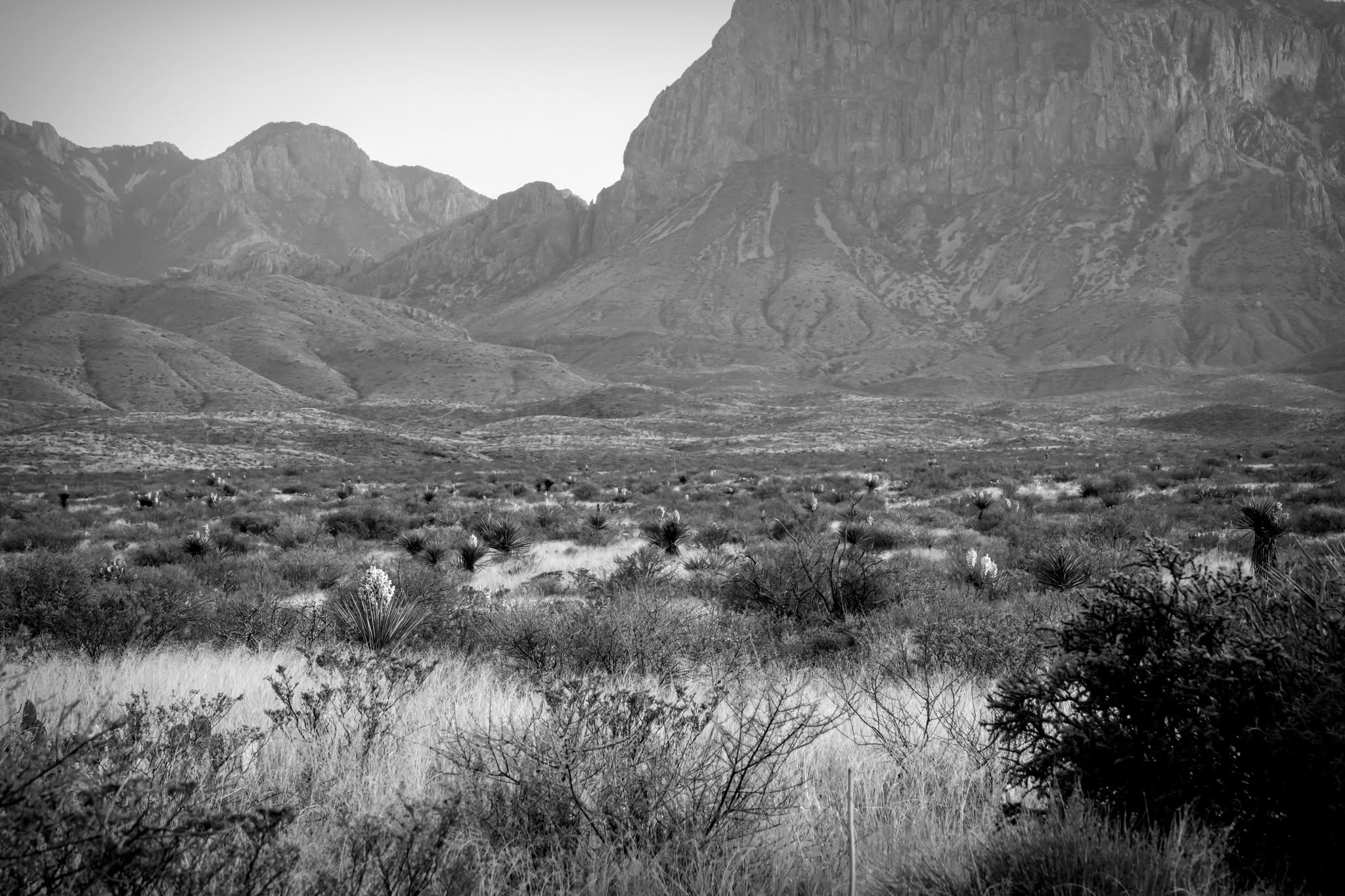
Unlike the dramatic bursts of spring bloom, late April is quieter. You won’t always notice the changes unless you slow down.
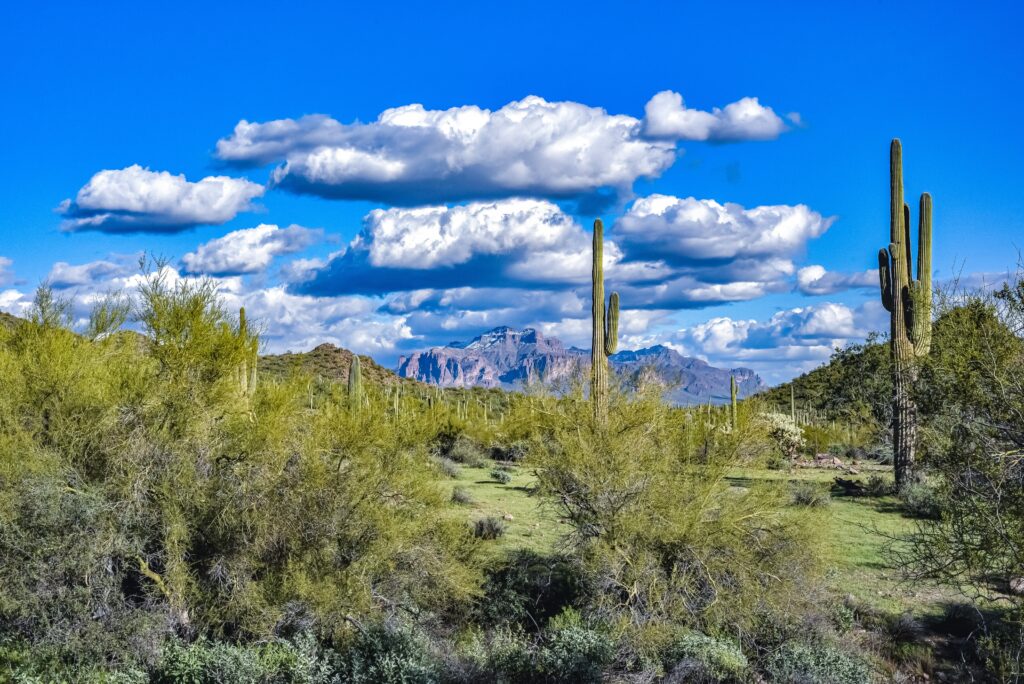
Creosote bushes deepen in color. Saguaros begin preparing for their brief but spectacular flowering season. Wildlife adjusts patterns—moving earlier in the morning, seeking shade sooner, conserving energy.
The desert isn’t disappearing. It’s adapting.
And adaptation is the story of this landscape.
What’s Happening Beneath the Surface
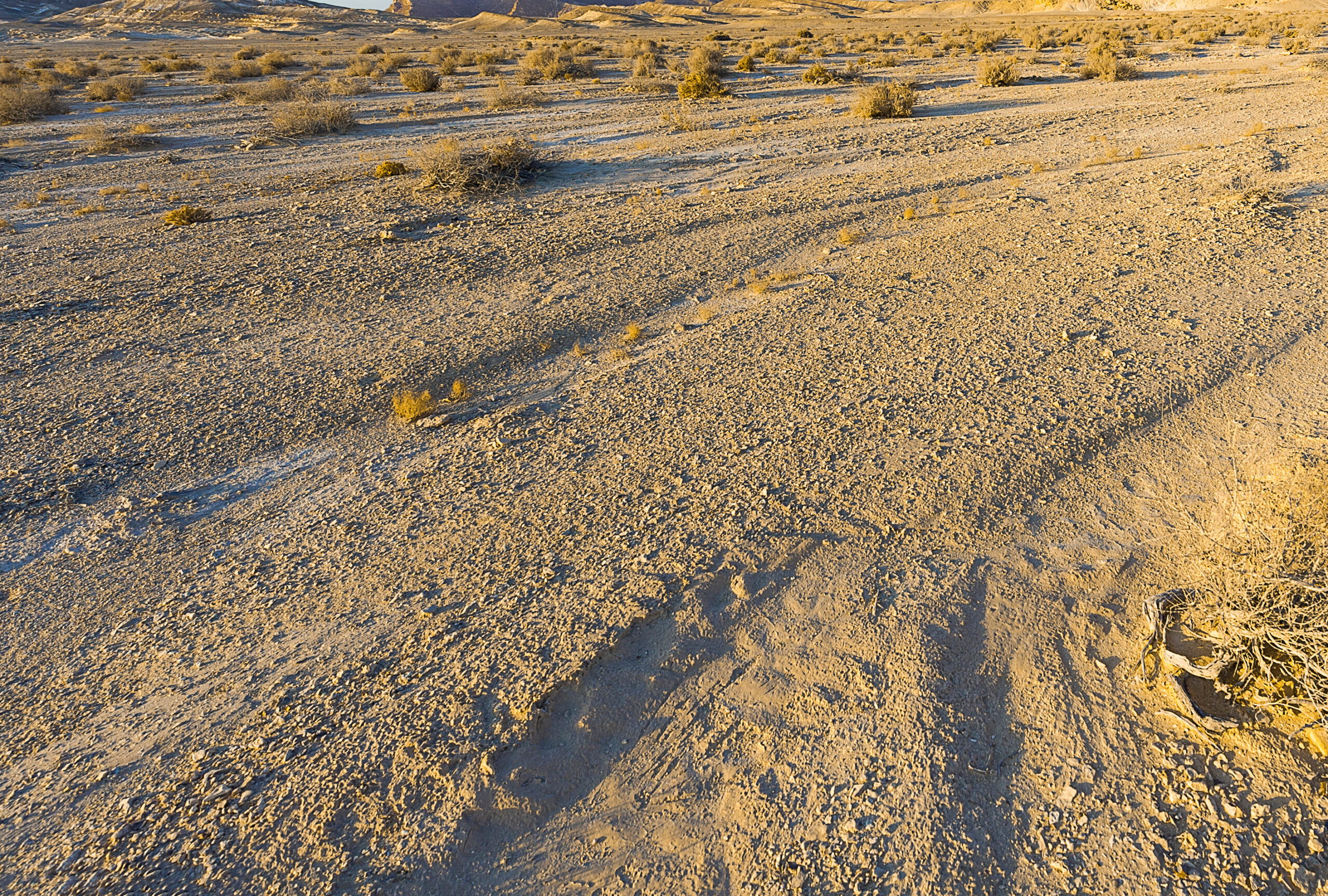
While the surface may seem less vibrant, there’s a tremendous amount of activity happening out of sight.
Plants are shifting resources—storing water, strengthening root systems, preparing for months of heat ahead. Pollinators are still at work, often in the early hours. Seeds from earlier blooms are settling into the soil, waiting for the right moment—sometimes years—to emerge.
This is the desert’s long game.
It’s not about constant abundance. It’s about resilience over time.
Why This Moment Matters for Conservation
Transitional seasons like late April are often overlooked in conservation conversations. But they’re critical.
Land that remains intact during these quieter periods allows ecosystems to complete their natural cycles—without disruption. When habitats are fragmented or lost, it’s not just the visible moments (like spring blooms) that are affected. It’s the entire rhythm.
Protecting land means protecting the full story—not just the highlight reel.
At Arizona Land & Water Trust, conservation isn’t seasonal. The work continues through every phase—ensuring that these landscapes can shift, rest, and prepare exactly as they’re meant to.
A Different Way to Experience the Desert
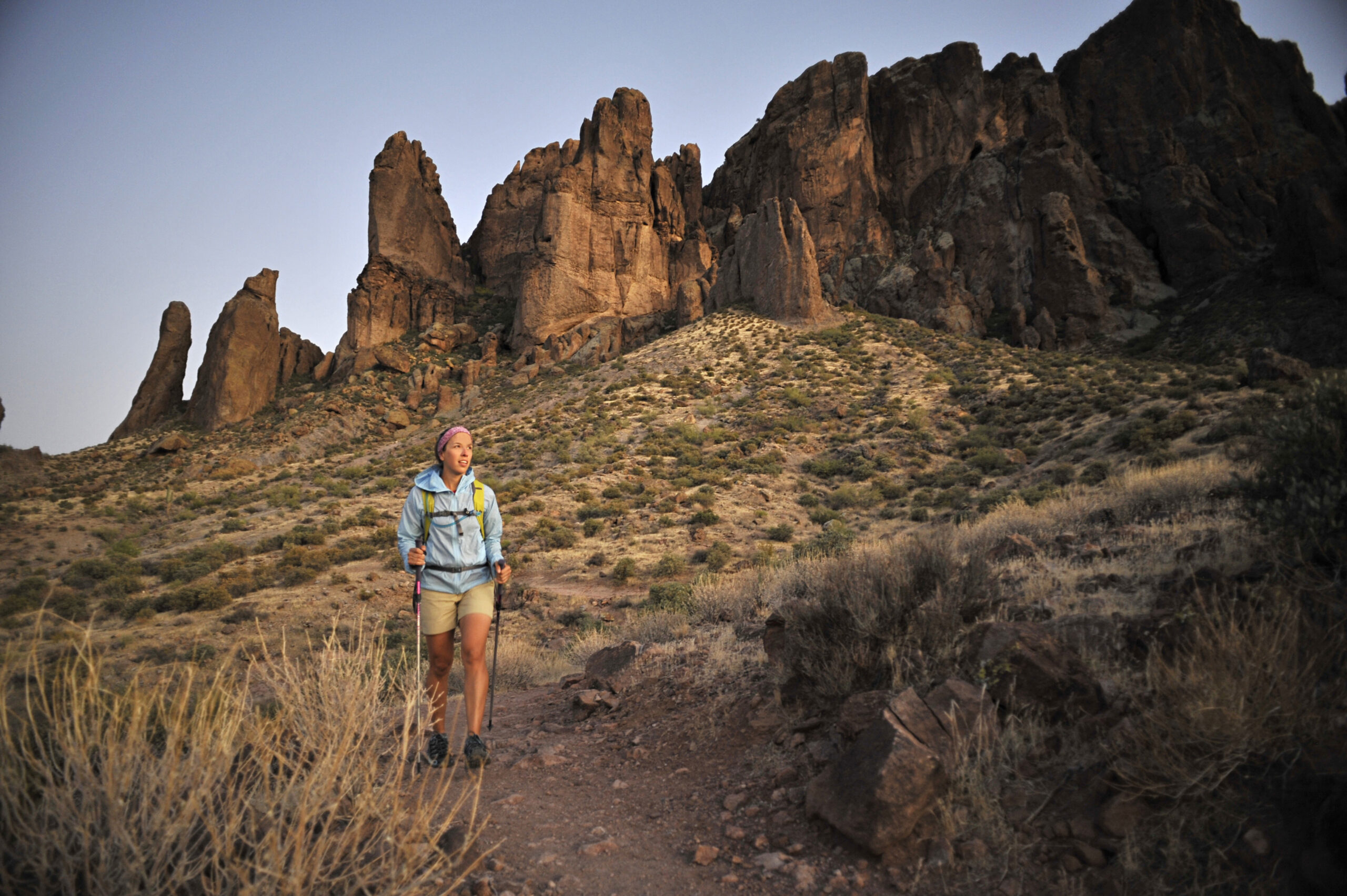
If you head out this time of year, you might not find carpets of flowers.
But you will find space. Light. Stillness.
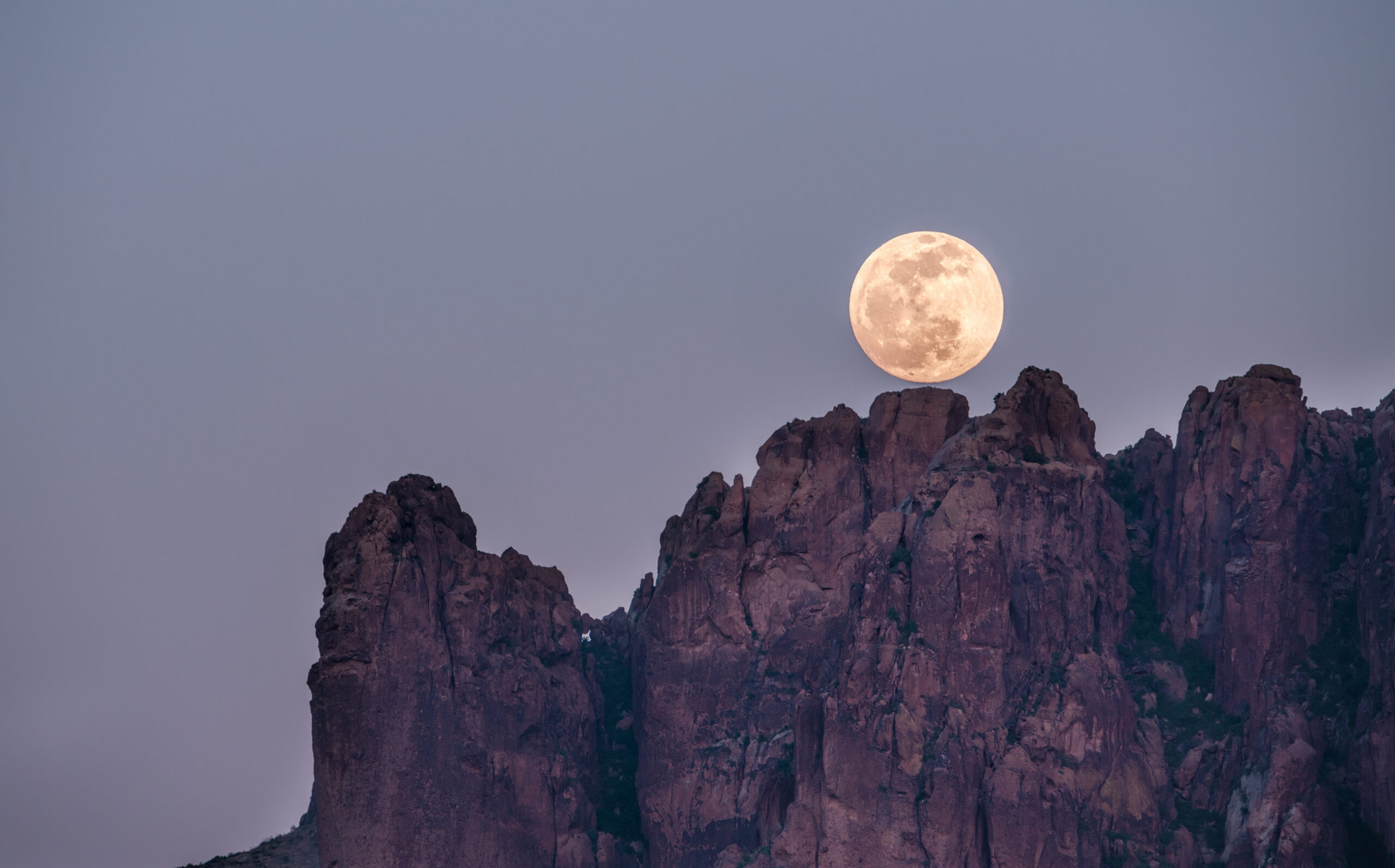
You’ll notice the way the sun lingers longer in the sky. The quiet hum of insects starting earlier in the day. The silhouettes of saguaros standing against warmer, softer evenings.
Late April invites a different kind of attention.
Less spectacle. More awareness.
Looking Ahead
In just a few weeks, the desert will fully lean into summer. The pace will slow even more. Many species will retreat into survival mode, waiting for monsoon rains to bring renewal.
But right now, in this in-between moment, everything is in motion—just not always in ways we’re used to seeing.
And that’s part of what makes it worth protecting.