Toney Ranch: A Storied Homestead Preserved in Haunted Canyon
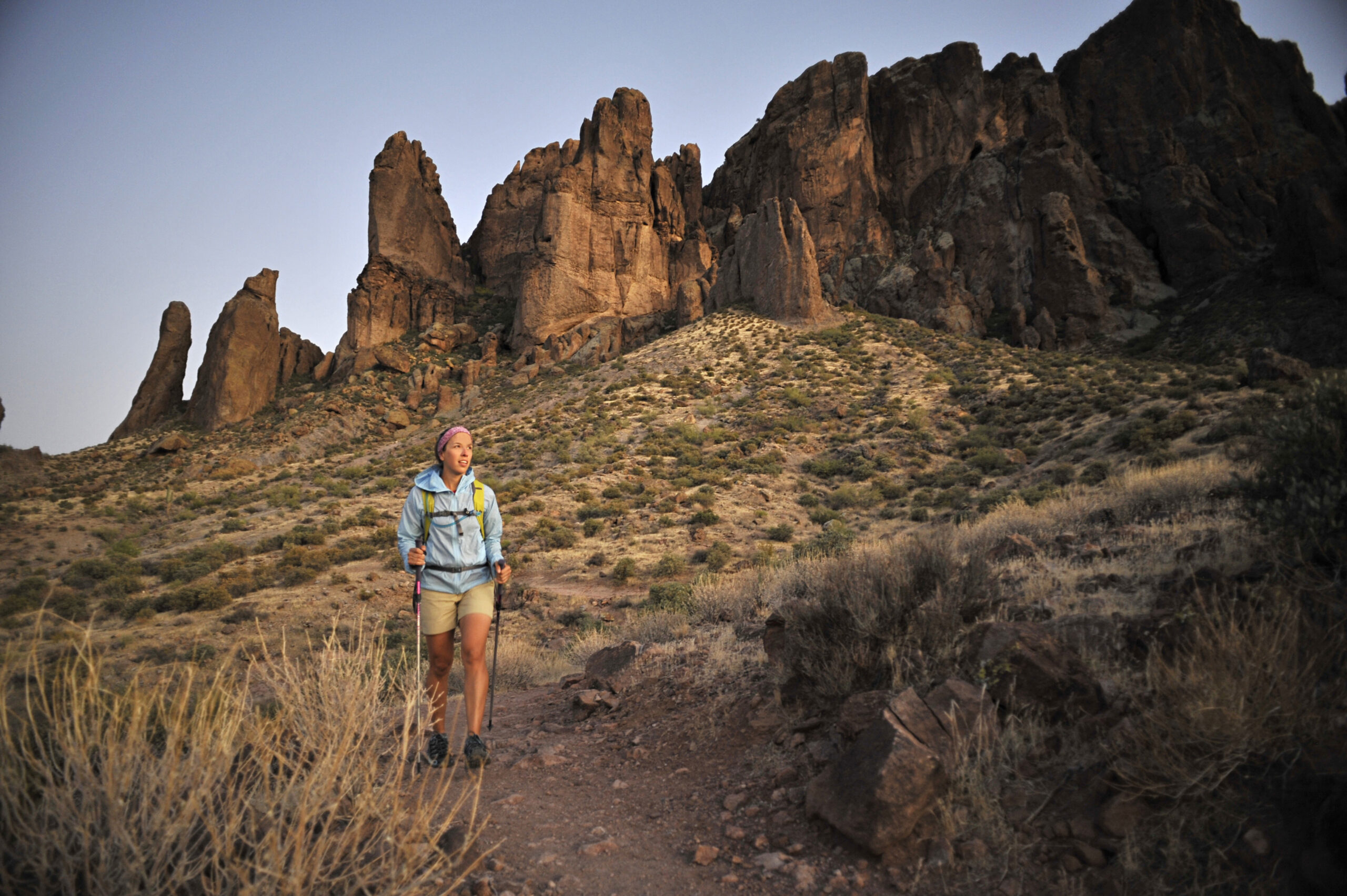
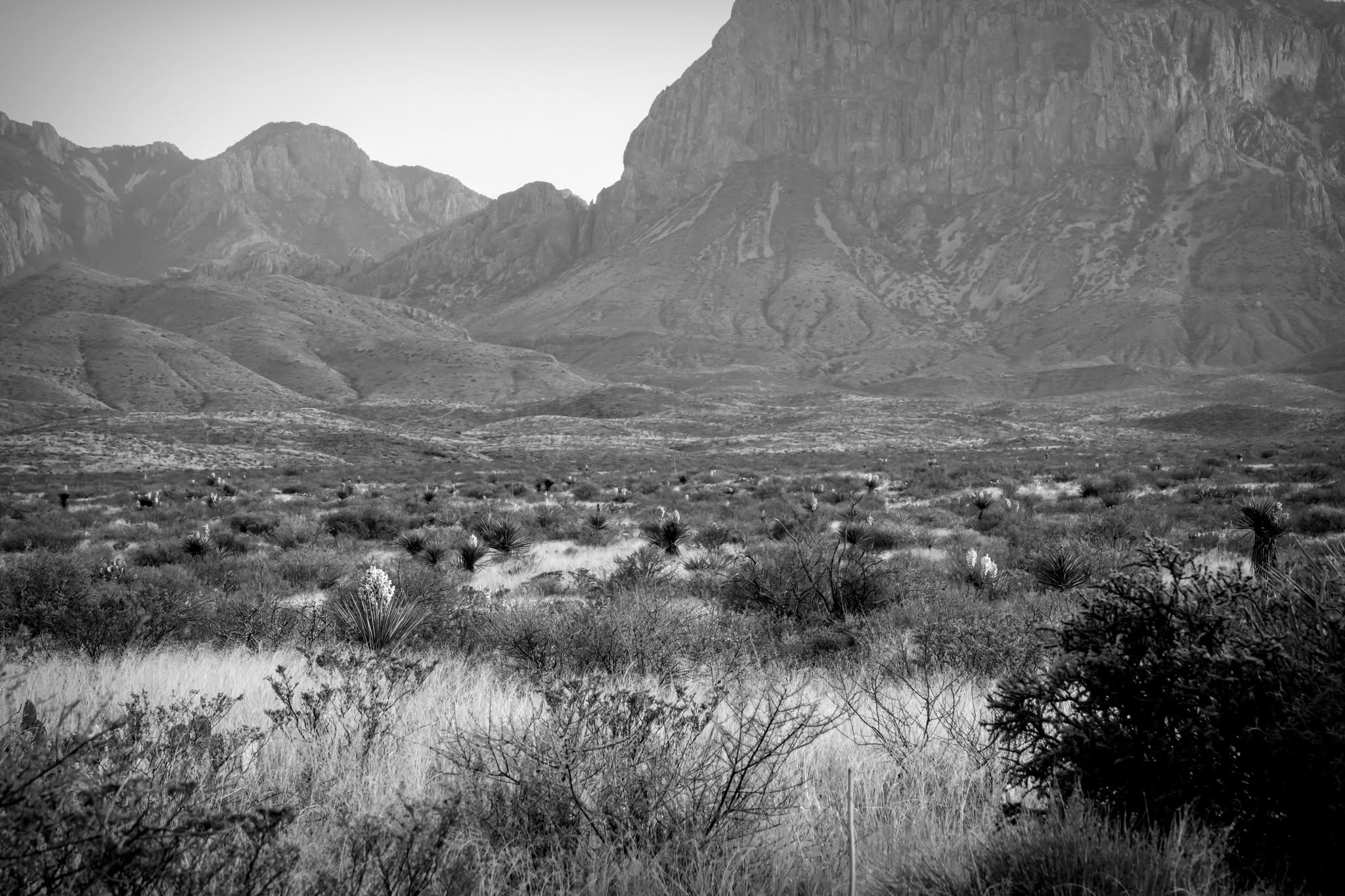
Deep within the rugged Superstition Foothills lies a place where Arizona’s frontier past and modern conservation come together—Toney Ranch. Nestled in Haunted Canyon, this historic site tells the story of resilience, survival, and the enduring importance of protecting fragile desert habitats. Today, thanks to the stewardship of the Superstition Area Land Trust (SALT), Toney Ranch is safeguarded for future generations.
Who: The People Behind the Ranch
The ranch’s story begins with William Toney, who built a modest log cabin here in August 1913. In 1922, he was officially granted the land patent for approximately 78 acres in Haunted Canyon. Though cartographers later misspelled his name as “Tony,” the property became widely known as Tony Ranch—a mistake that stuck for decades.
Toney attempted to make a life in the canyon, planting wheat, beans, corn, and alfalfa, while raising cattle, horses, chickens, and even turkeys. It was a hard life—water was scarce, predators were persistent, and the desert climate unforgiving. Still, his cabin, corral, and orchard remain as testaments to his determination.
In 1924, William Toney sold the property to George Taylor, whose family held it until 1949. Decades later, in 2008, the land was acquired by SALT, ensuring its protection from development and degradation.
What: The Legacy That Remains
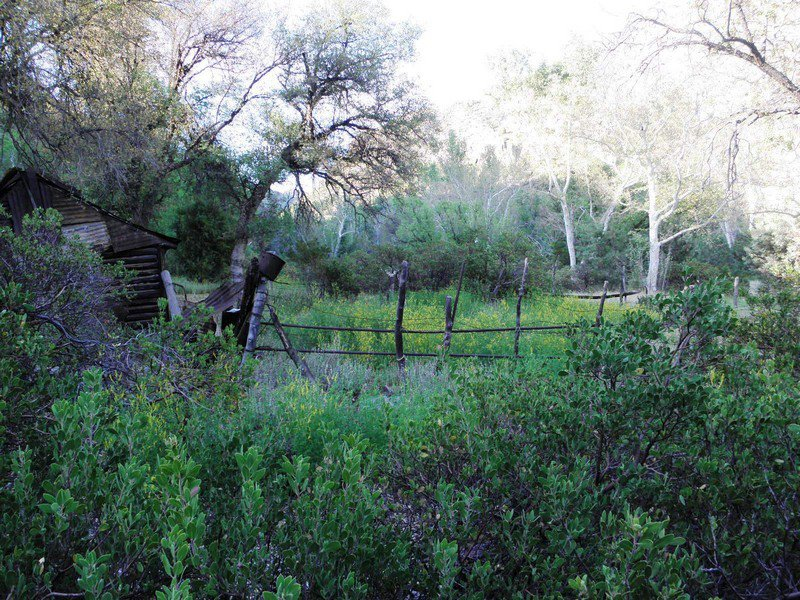
At the heart of Toney Ranch stands the 1919 log cabin, built from timber cut from the surrounding forest. The structure grew over time from a small two-room shelter into a three-room home. Alongside the cabin are the remains of a corral and traces of an apple orchard that once sustained the ranchers who lived there.
These features are more than ruins; they are living reminders of Arizona’s homesteading history. They speak to the grit of settlers who sought to carve out a living in the Sonoran Desert, a place where every drop of water and patch of shade mattered.
Where: A Canyon Oasis
Toney Ranch is tucked away in Haunted Canyon, part of the Tonto National Forest in Pinal County, Arizona. Haunted Canyon Creek flows nearby, supported by springs such as Toney Ranch Spring and Kennedy Spring, creating a lush riparian corridor. In an otherwise arid landscape, these water sources provide essential habitat for birds, mammals, and countless desert plants.
When: A Century of Change
1913 – William Toney builds the original cabin.
1922 – The U.S. government grants him the land patent.
1924 – The ranch is sold to George Taylor.
1949 – The property passes to the Taylor heirs.
2008 – SALT acquires the ranch to preserve its history and ecology.
This timeline marks a transformation: from homesteading struggles to modern conservation success.
Why: History and Habitat Worth Saving
Historical Importance Toney Ranch is one of the few intact homestead sites in the Superstition region. Its cabin, orchard, and corral give us a glimpse into the realities of early 20th-century desert life. Preserving it ensures these stories are not lost to time.
Ecological Value The canyon’s riparian habitat is a lifeline in an otherwise arid ecosystem. Wildlife large and small depend on its springs, creeks, and shade. Protecting this land safeguards biodiversity in a fragile environment.
Conservation in Action Since acquiring the site, SALT has taken on the work of cleanup, invasive species removal, monitoring, and ecological care. Their efforts ensure the ranch remains not only a historical landmark but also a thriving natural sanctuary.
A Living Legacy
Toney Ranch is more than an old cabin in a canyon—it is a bridge between Arizona’s past and future. It tells the story of one family’s struggle to survive in the desert and demonstrates how thoughtful conservation can honor history while protecting nature. Thanks to SALT’s ongoing stewardship, Toney Ranch will continue to inspire hikers, historians, and nature lovers for generations to come.
About SALT
Welcome to SALT
The Superstition Area Land Trust (SALT) works with public agencies to protect vulnerable Sonoran Desert foothills—part of Arizona’s 9 million acres of state trust land—threatened by urban sprawl and managed primarily for revenue.
Donating to the Superstition Area Land Trust (SALT) helps preserve the Sonoran Desert’s fragile foothills, wildlife, and open spaces for future generations.