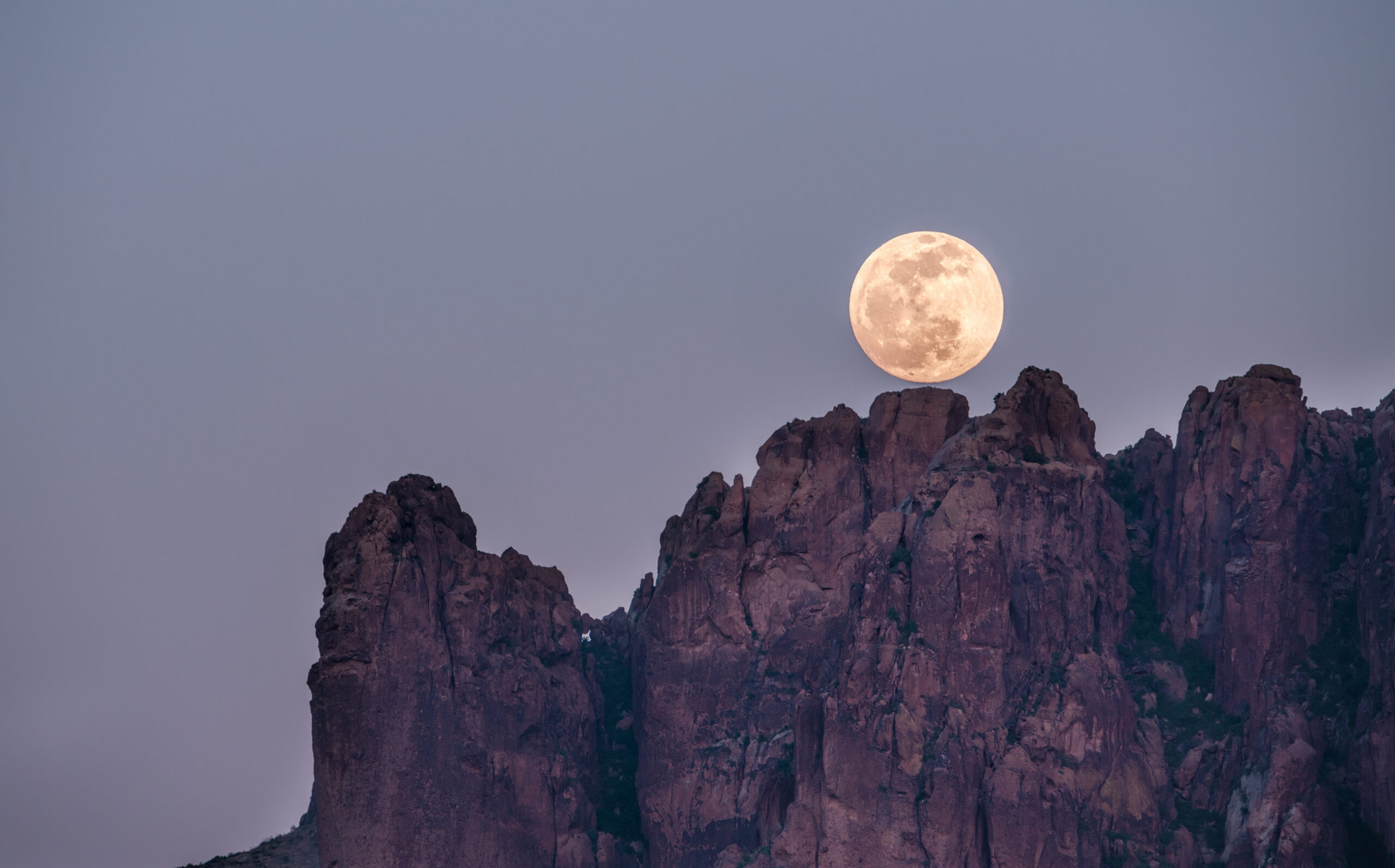
In many parts of Arizona, the line between city and wilderness has become increasingly blurred. Development continues to expand outward from Phoenix, bringing new neighborhoods, roads, and infrastructure deeper into landscapes that were once untouched desert.
But in the shadow of the Superstition Mountains, something rare still exists.
The Superstition foothills remain one of Arizona’s last true desert gateways — a place where open Sonoran Desert still meets protected wilderness in a largely unbroken landscape. It’s a transition zone where people can step out of a neighborhood or trailhead and almost immediately feel the presence of the wild.
And that kind of place is becoming harder to find.
Where the Desert Still Feels Wild
The Superstition Mountains are already protected as part of the Superstition Wilderness, one of the most iconic and beloved landscapes in Arizona. Towering cliffs, rugged canyons, and desert peaks stretch across more than 160,000 acres.
But the wilderness itself doesn’t exist in isolation.
The land surrounding it — the foothills, washes, and desert valleys — plays a critical role in protecting the health of that wild landscape. These areas act as a buffer between the wilderness and the expanding footprint of development.
When that buffer remains intact, wildlife can move freely. Desert plants thrive in undisturbed soil. The wilderness feels expansive rather than surrounded.
Without that buffer, the character of the mountains begins to change.
A Critical Wildlife Corridor
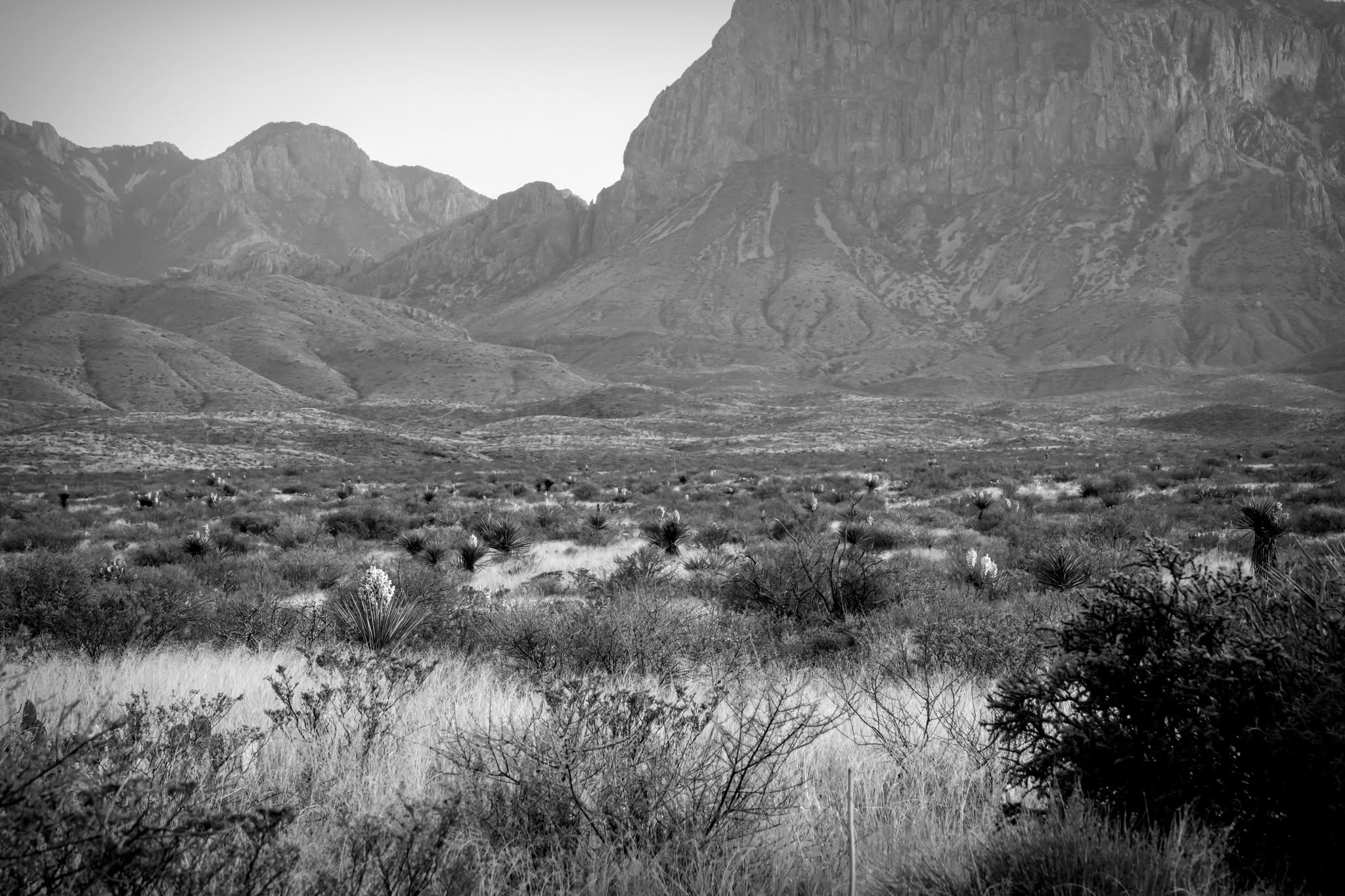
The Sonoran Desert is one of the most biologically diverse deserts in the world, and the foothills of the Superstitions are part of that living system.
Desert tortoises navigate rocky slopes and washes. Coyotes and bobcats move through desert corridors in search of food and territory. Birds of prey circle above open ridges, while smaller desert species rely on intact vegetation and undisturbed habitat.
For wildlife, the foothills function as essential travel routes connecting different parts of the landscape.
When open desert becomes fragmented by roads and subdivisions, those connections begin to disappear. Protecting strategic pieces of land helps ensure that wildlife can continue to move across the desert as it has for centuries.
A Gateway for People, Too
The foothills also serve as an important gateway for people who want to experience the desert.
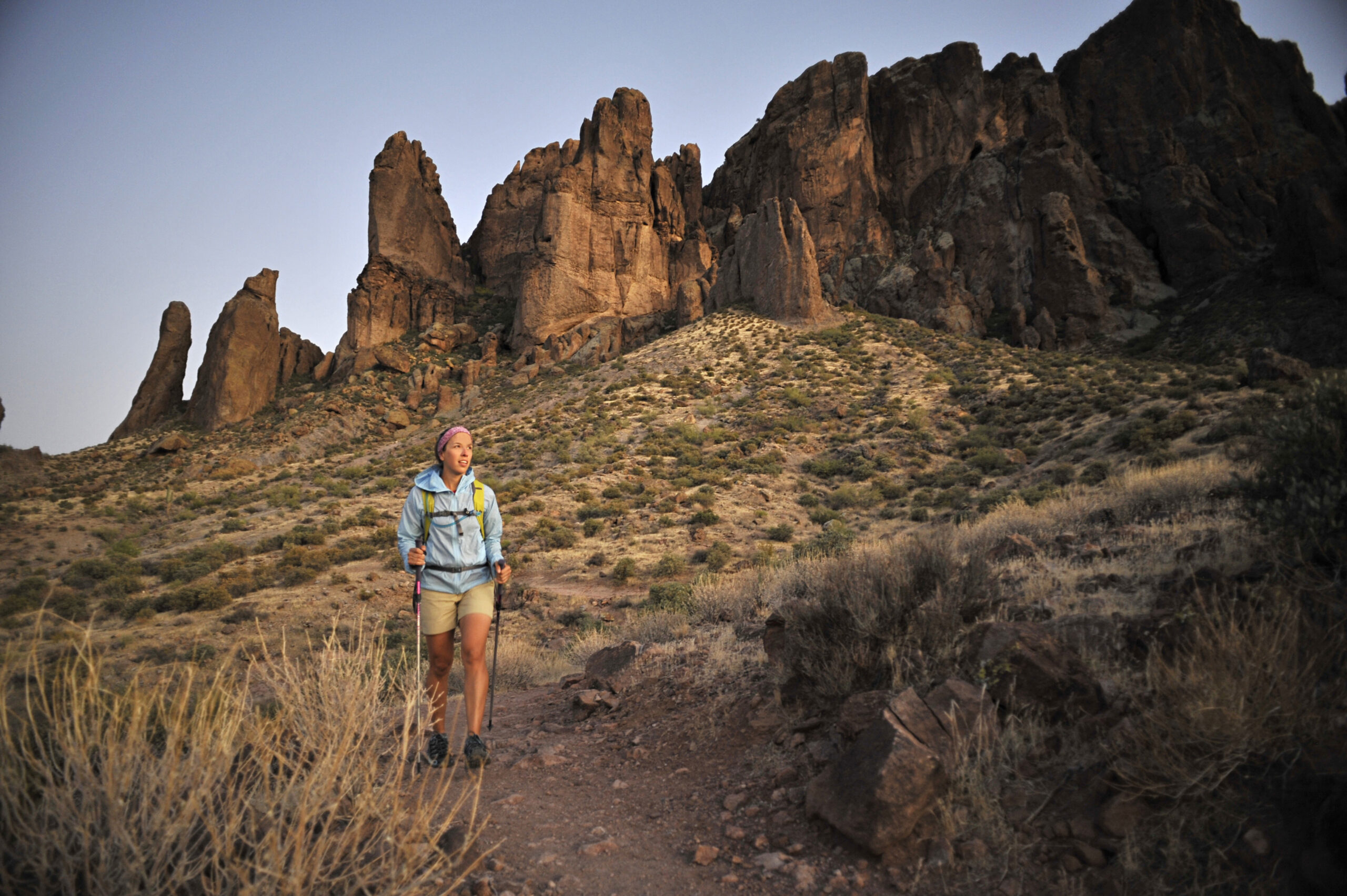
Many residents and visitors encounter the Superstition Mountains for the first time from these lower desert landscapes. Trails wind through forests of saguaro, palo verde, and creosote before climbing toward the rugged peaks above.
These accessible open spaces give people the chance to hike, explore, and connect with the desert without traveling deep into remote backcountry.
And for many, those first experiences spark a lifelong appreciation for Arizona’s wild places.
A Landscape at a Turning Point
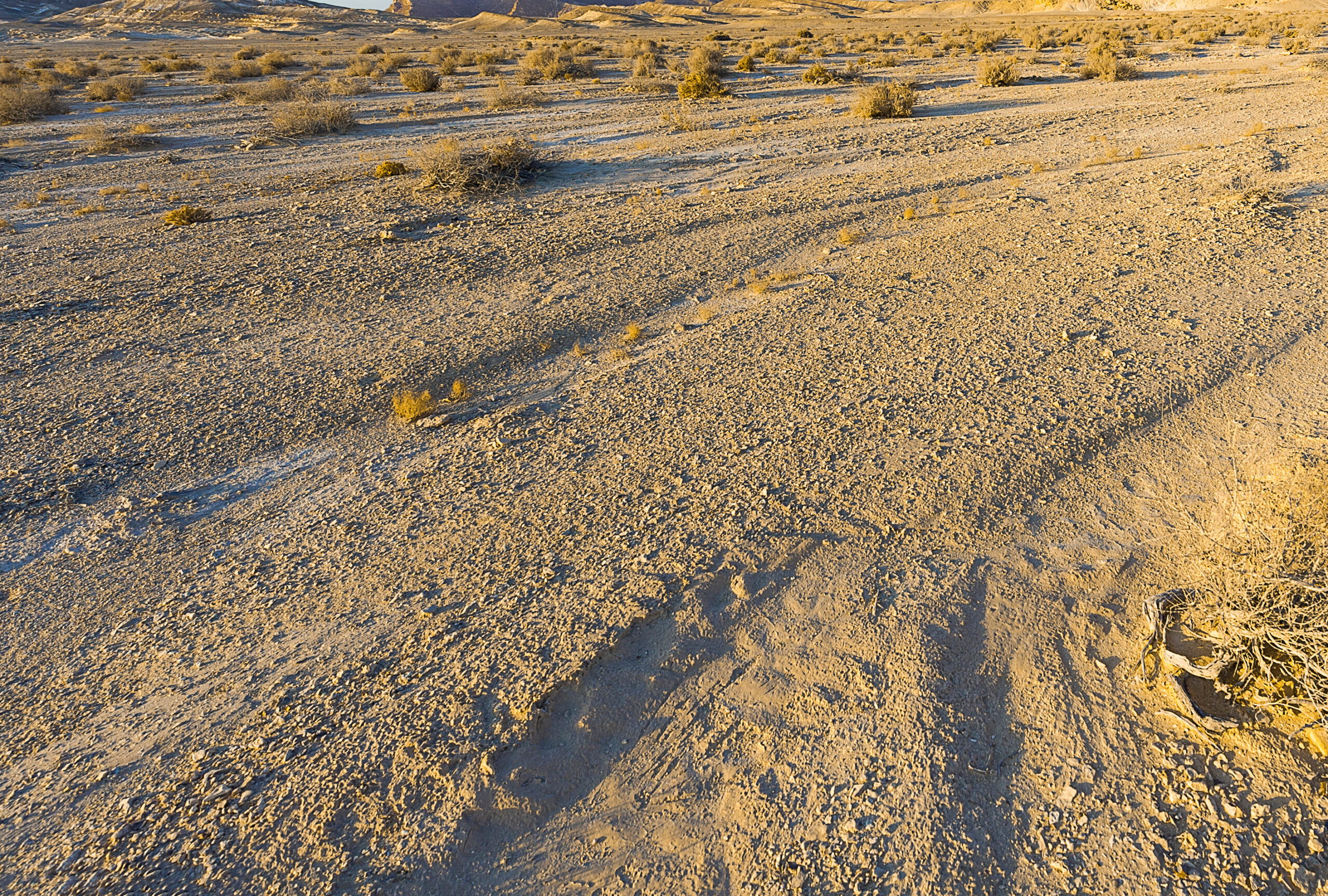
Across the East Valley, development continues to push farther toward the mountains. What was once open desert can quickly become housing, roads, and commercial growth.
The Superstition foothills sit at a critical moment in that story.
The decisions made today will determine whether this landscape remains a true desert gateway — a place where the Sonoran Desert still stretches naturally toward the wilderness — or whether the line between development and the mountains disappears entirely.
Protecting the Desert for the Future
Organizations like the Superstition Area Land Trust work to conserve key pieces of land in the foothills before they are lost to development. By protecting strategic areas through conservation agreements and partnerships, it’s possible to preserve the character of the desert while maintaining the natural connection between the foothills and the wilderness beyond.
Every protected acre helps keep this gateway open.
It means future generations will still be able to look east toward the Superstition Mountains and see the desert stretching out in front of them — saguaro silhouettes, open washes, and the same wild landscape that has defined this region for centuries.
And that’s something worth protecting. 🌵