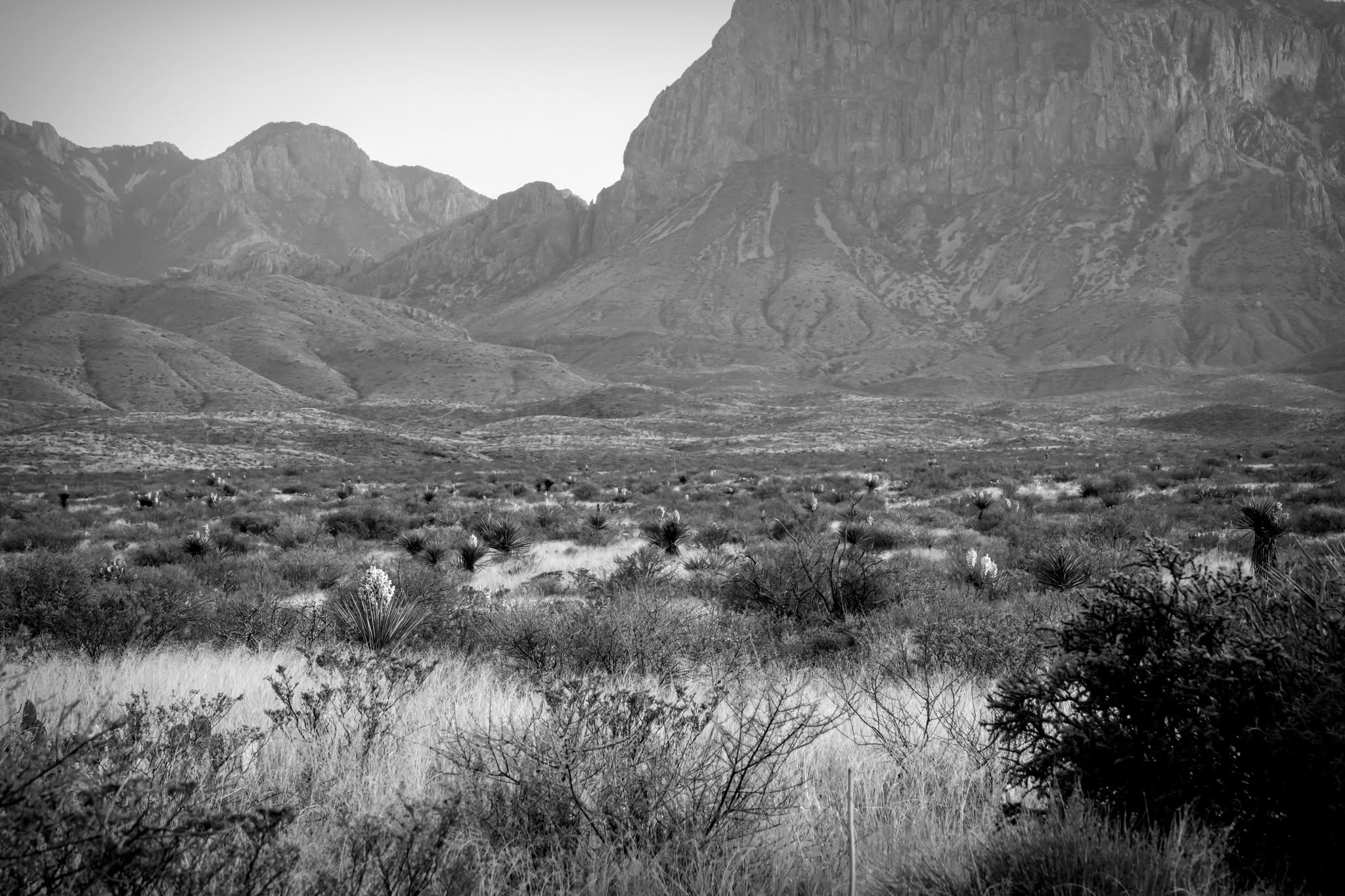
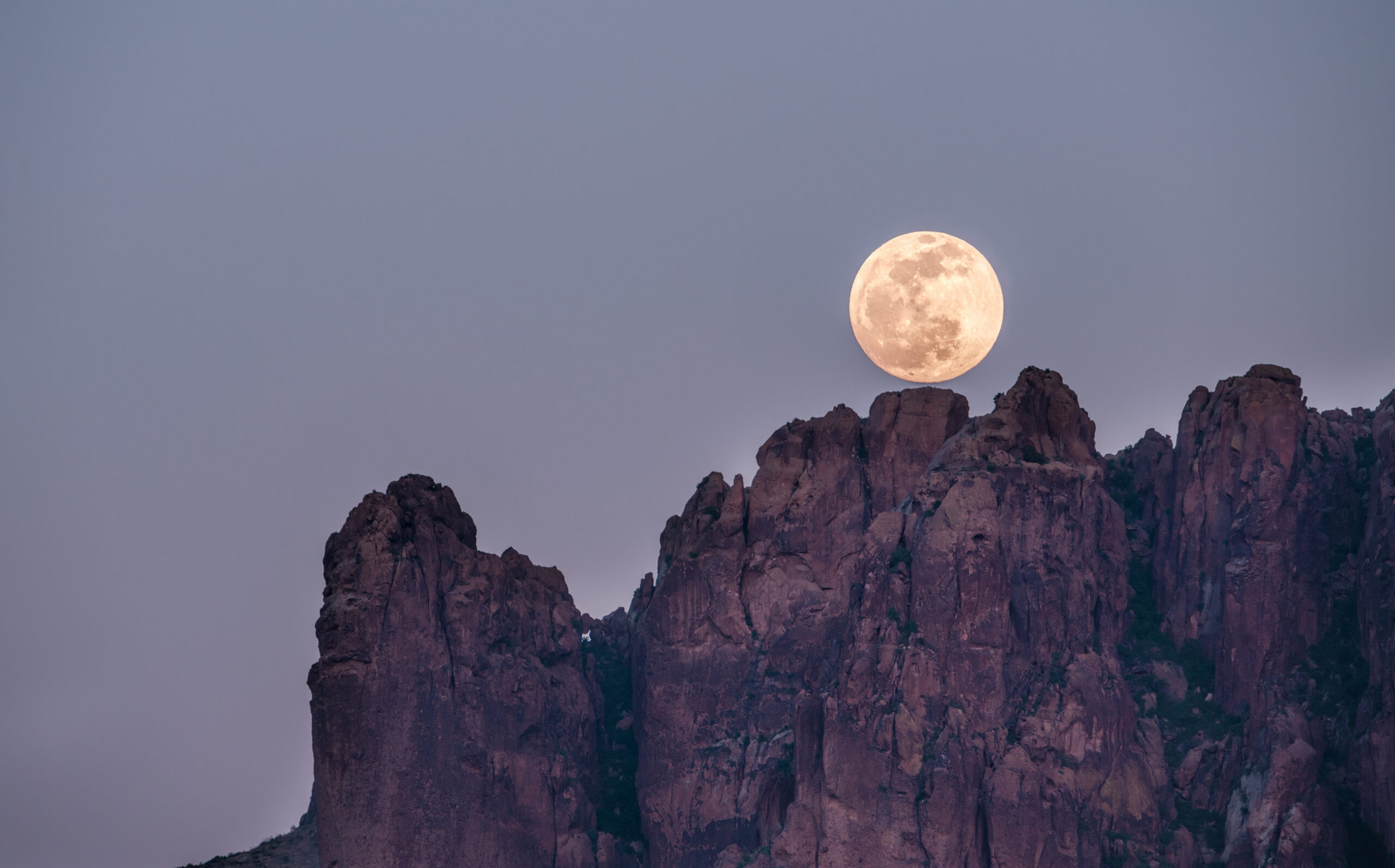
When people hear that the Superstition Area Land Trust works to conserve the natural Sonoran Desert and open spaces surrounding the Superstition Wilderness Area, one question naturally follows:
How do you actually protect open space?
Conservation is about more than simply identifying beautiful places that should remain undeveloped. Protecting land for the long term can require cooperation between landowners, conservation organizations, government agencies, local communities and volunteers.
For the Superstition Area Land Trust, that means using several different conservation tools depending on the land, the circumstances and the opportunity.
Why the Land Around the Superstitions Matters
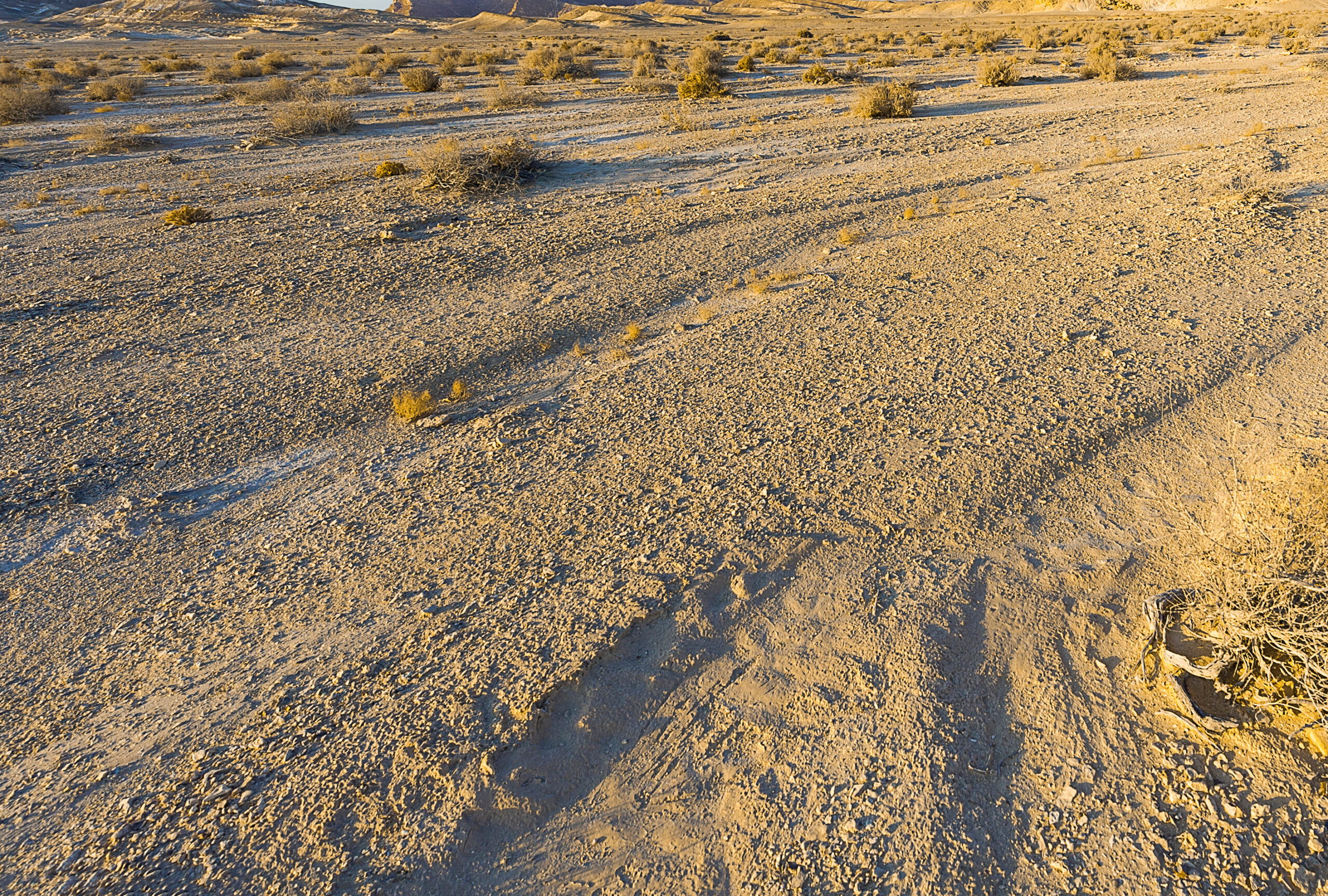
The Superstition Wilderness itself is protected, but the lands surrounding it play an important role too.
SALT’s conservation efforts focus on the natural open spaces surrounding the Wilderness Area, including a study area encompassing approximately 105 square miles. The organization notes that thousands of acres of State Trust land adjacent to the Wilderness provide important habitat while also containing some of the area’s popular access points and trailheads.
As communities continue to grow, these undeveloped areas can face increasing pressure.
That’s why conserving open space often requires action before those landscapes are permanently changed.
1. Voluntary Conservation Easements
One of the most interesting conservation tools available is a conservation easement.
A conservation easement is a voluntary legal agreement that limits certain future uses of a property in order to protect its conservation value. Importantly, the landowner can continue to own and use the property while agreeing to restrictions intended to protect the land over the long term.
This creates an opportunity for private landowners who care deeply about their property to help protect its natural character without necessarily giving up ownership.
For conservation organizations, easements can be an important way to protect habitat, viewsheds and open space for generations to come.
2. Purchasing Important Parcels
Sometimes protecting a particularly important piece of land requires acquiring it.
SALT identifies the purchase of important parcels as another conservation strategy, particularly when a property has significant value to the surrounding community or environment. Strategic acquisitions can help connect existing conserved lands while protecting habitat and recreational areas.
A relatively small parcel can sometimes have an outsized importance when it connects larger natural areas or protects access to them.
That makes deciding which land to protect just as important as determining how to protect it.
3. Property Transfers
Land can also be transferred to an organization or entity capable of protecting it for the long term.
SALT lists property transfers to public or private conservation entities as another tool available for ensuring important land remains protected.
The structure may be different from a conservation easement or direct acquisition, but the objective remains the same: placing important natural areas in a position where their conservation values can endure.
4. Partnerships Make Conservation Possible
Protecting an area as large and complex as the Superstition region isn’t something one organization can accomplish alone.
Over the years, SALT has worked alongside conservation organizations, government agencies and local jurisdictions including the Tonto National Forest, National Park Service, Bureau of Land Management, Arizona State Land Department, Arizona Game & Fish Department, Pinal County and local communities.
Those partnerships can bring together expertise, planning, funding and people who share an interest in protecting the landscape.
SALT has contributed through efforts such as strategic planning, consulting, presentations, trail maintenance and interpretive kiosks, while partner organizations have provided additional expertise, support and resources.
5. Volunteers Turn the Mission Into Action
There’s another part of conservation that’s easy to overlook: people willing to do the work.
For much of SALT’s history, volunteers and supporters have provided the time and resources necessary to keep the organization moving forward.
They’ve served on the Board, helped with administration, organized fundraising efforts, managed communications and participated in SALT’s trail crew.
Conservation may ultimately be about protecting land, but it happens because people decide that land is worth protecting.
Protecting the Gateway to the Wilderness
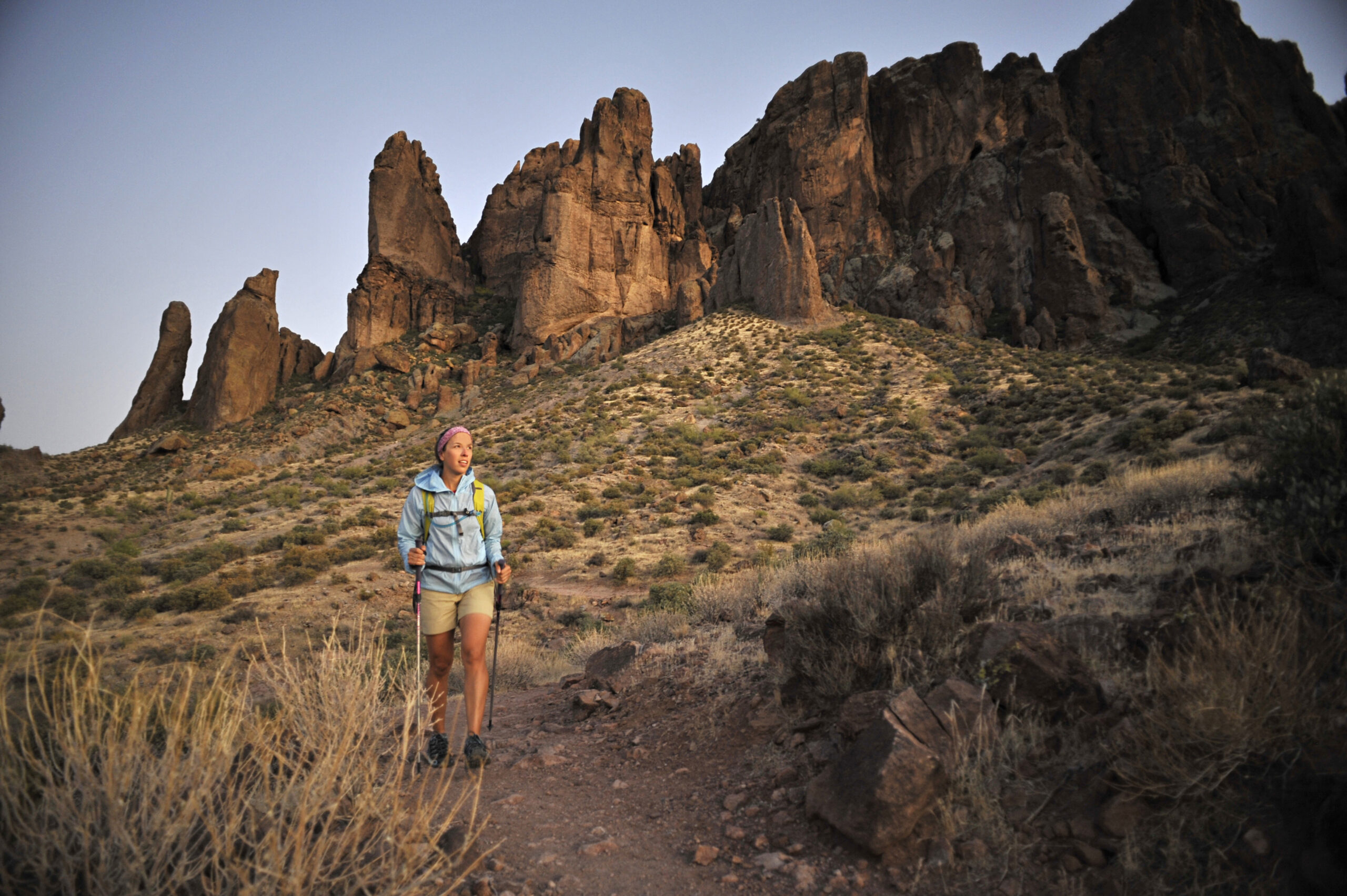
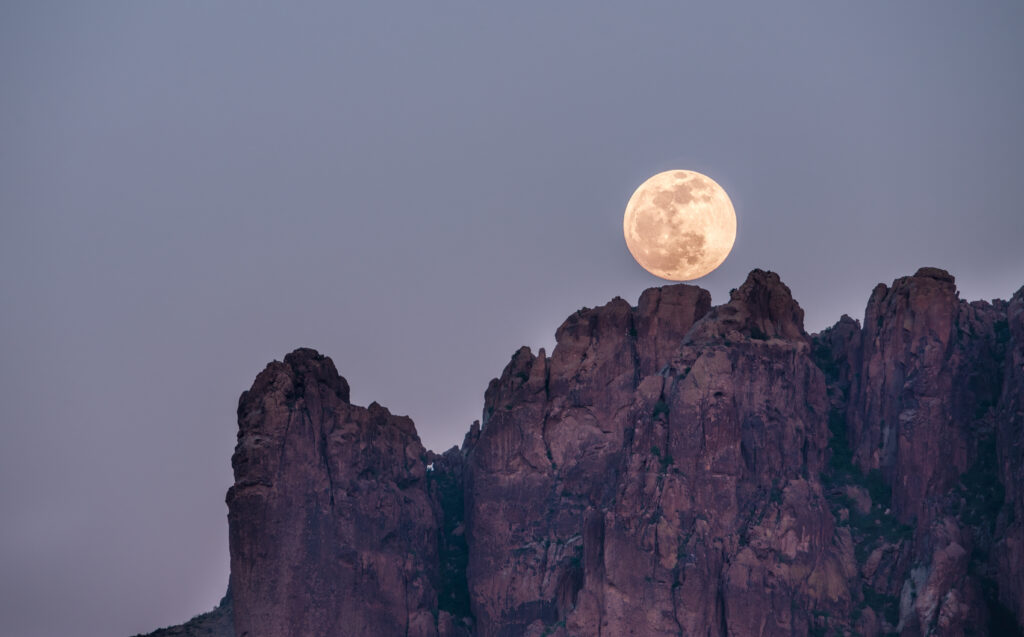
The Superstition Mountains provide something increasingly valuable in a growing part of Arizona: access to wild places.
People come here to hike, backpack, climb, ride horses, watch wildlife, stargaze or simply find a little solitude in the desert. SALT’s work is focused on helping ensure those opportunities—and the landscapes that make them possible—remain for future generations.
There isn’t one single way to accomplish that.
Sometimes conservation means an easement.
Sometimes it means purchasing a critical parcel.
Sometimes it means transferring property, advocating for protection, building partnerships or putting volunteers on a trail.
Together, those tools help turn the idea of “protecting open space” into real, lasting conservation.
Want to learn more about how SALT works to protect the Superstition area or find ways to get involved? Visit AZSALT.org.