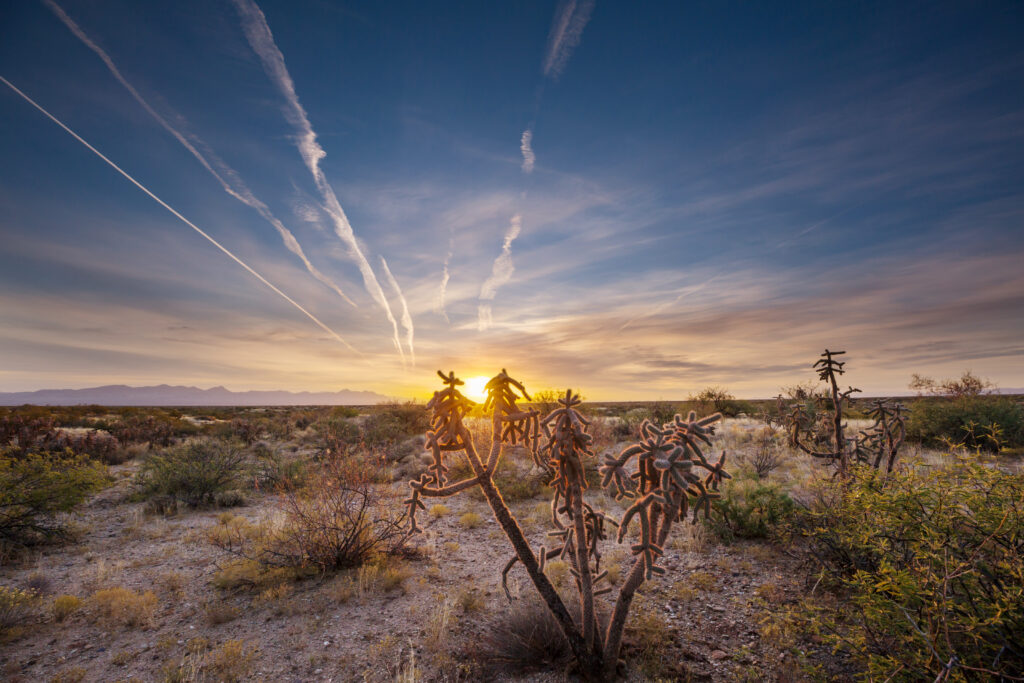
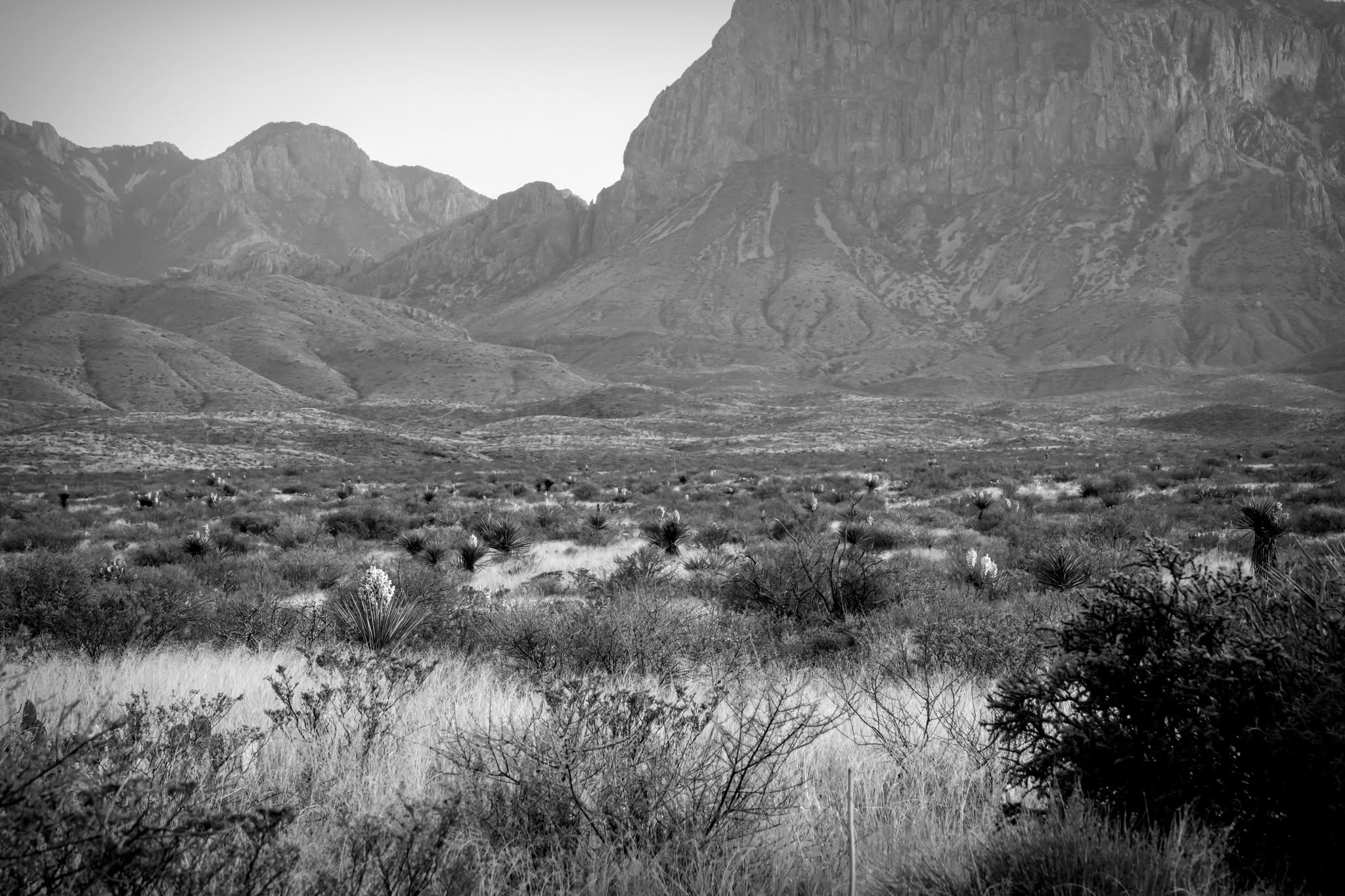
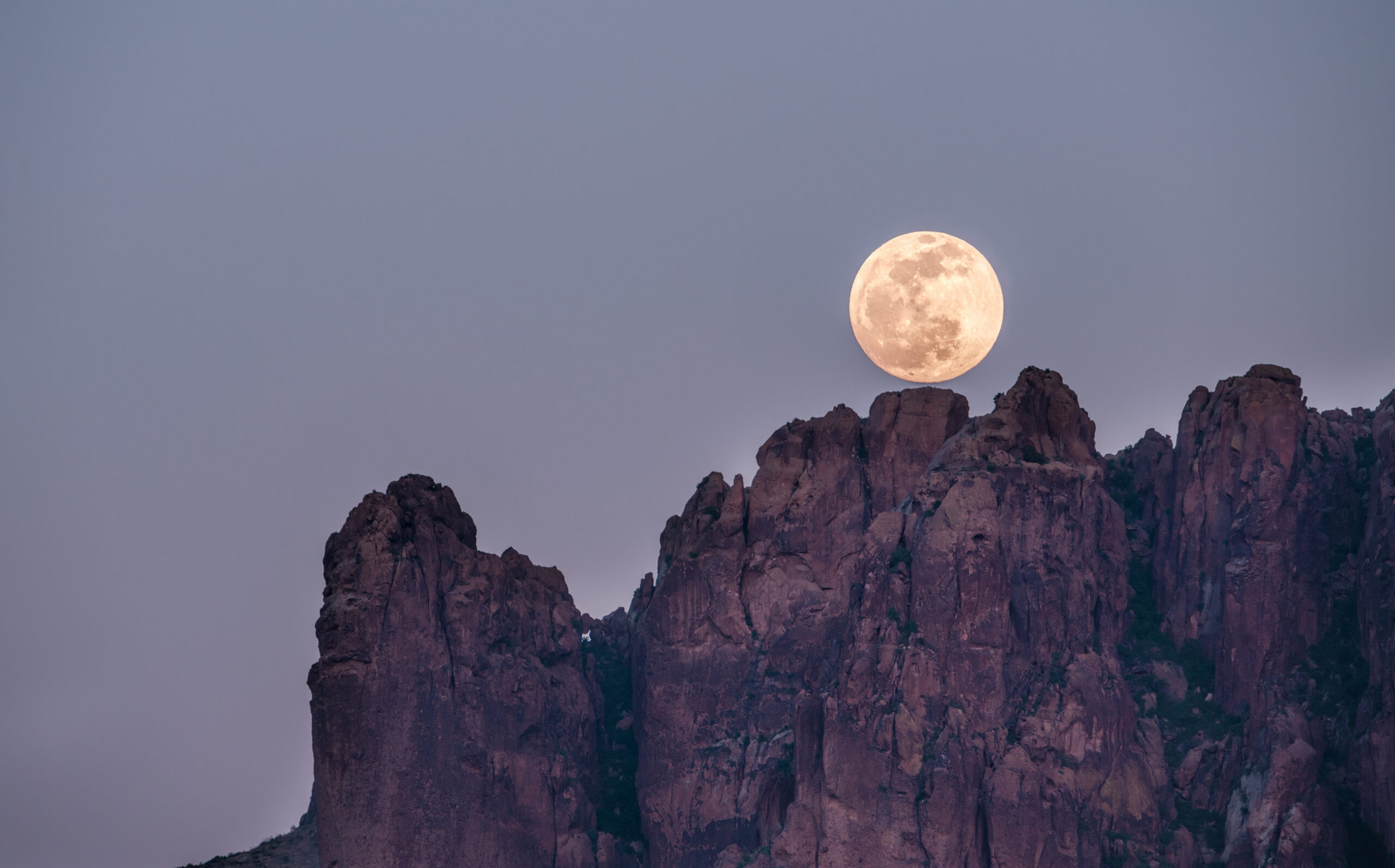
The Sonoran Desert can look endless.
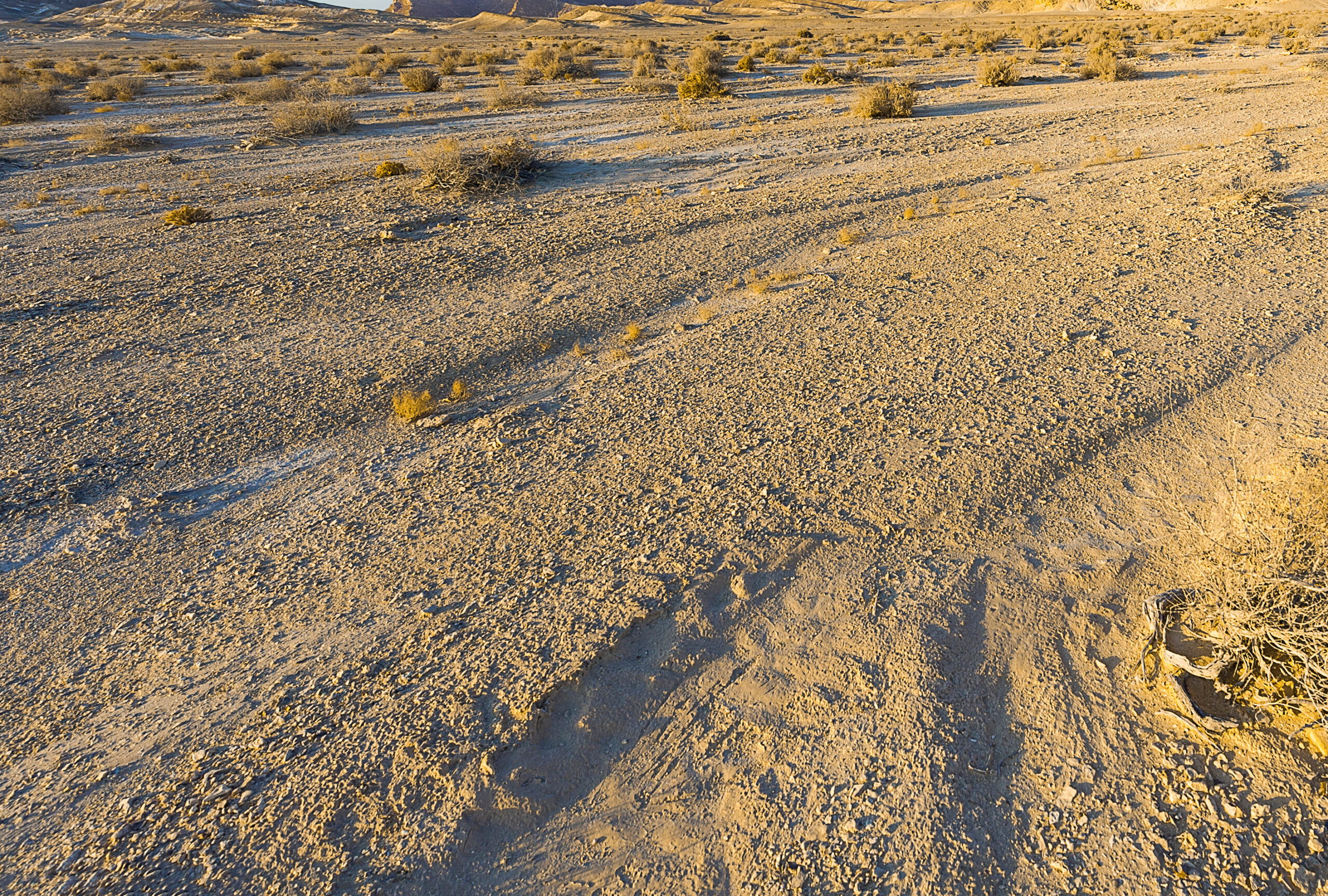
From a distance, it can seem like there is always another stretch of open land beyond the next road, neighborhood, or ridgeline. But across Arizona, that open space is becoming more fragmented every year.
And once desert open space is gone, it is very difficult to bring back.
Open Space Is More Than Empty Land
Undeveloped desert serves a purpose.
It provides habitat for wildlife, protects natural drainage patterns, preserves native vegetation, and gives plants and animals room to move across the landscape.
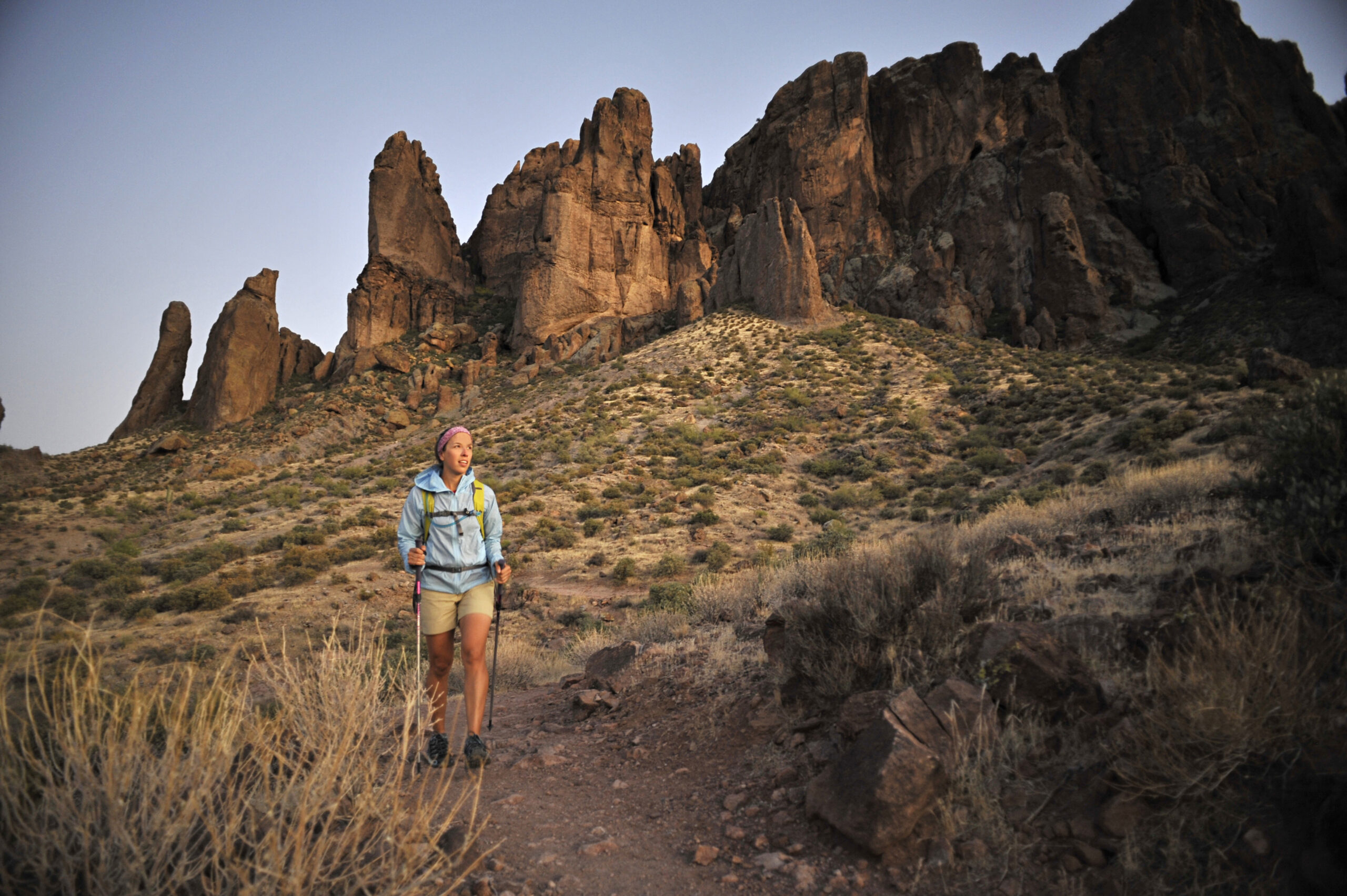
It also gives people something increasingly rare: space to hike, explore, learn, and experience the desert in a way that still feels wild.
When those areas are broken apart by roads, development, and infrastructure, the impact goes far beyond the loss of a view.
Wildlife Loses Room to Move
Animals do not recognize property lines.
They rely on connected stretches of habitat to find food, water, shelter, and breeding areas. As open land becomes divided into smaller pieces, those natural movement corridors can disappear.
That can make it harder for wildlife to survive and can increase conflicts between animals and nearby communities.
Protecting connected open space helps preserve the larger desert ecosystem, not just individual parcels of land.
Native Desert Habitat Is Hard to Replace
The Sonoran Desert develops slowly.
Native plants, desert soils, washes, and rocky slopes are part of a system that has taken generations to form. Once that landscape is disturbed, restoring it is not as simple as planting a few trees or shrubs.
In many cases, the original habitat may never fully return.
That is why conservation is so important before land is permanently changed.
We Lose Places That Connect Us to the Desert
Open space also matters because of what it gives people.
It gives families a place to hike together. It gives students a place to learn about geology, wildlife, and desert ecology. It gives communities access to trails, scenery, and quiet.
And for many people, the Superstition Mountains and surrounding desert are part of what makes this region feel like home.
When open space disappears, we do not just lose land. We lose opportunities to experience the landscape that defines our community.
Development and Conservation Do Not Have to Be Opposites
Growth is part of Arizona’s future.
The goal of conservation is not to stop communities from growing. It is to make sure growth happens thoughtfully.
That means identifying important habitat, protecting natural corridors, preserving access to public lands, and making deliberate decisions about which places should remain open.
Once development occurs, those choices are often permanent.
Protecting Open Space Is a Long-Term Investment
The benefits of conservation may not always be obvious immediately.
But decades from now, the open spaces protected today will still provide wildlife habitat, recreational opportunities, scenic views, and a connection to the desert for future generations.
That is the work organizations like the Superstition Area Land Trust are committed to.
Because the best time to protect open space is before it disappears.
Learn more about SALT’s mission and conservation work at azsalt.org.