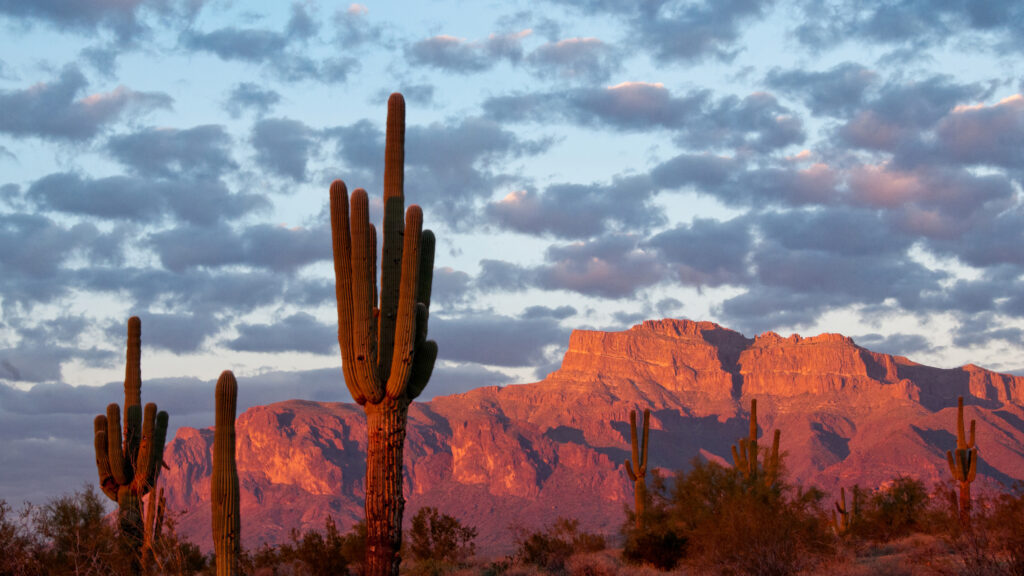
The sunset gets plenty of attention.
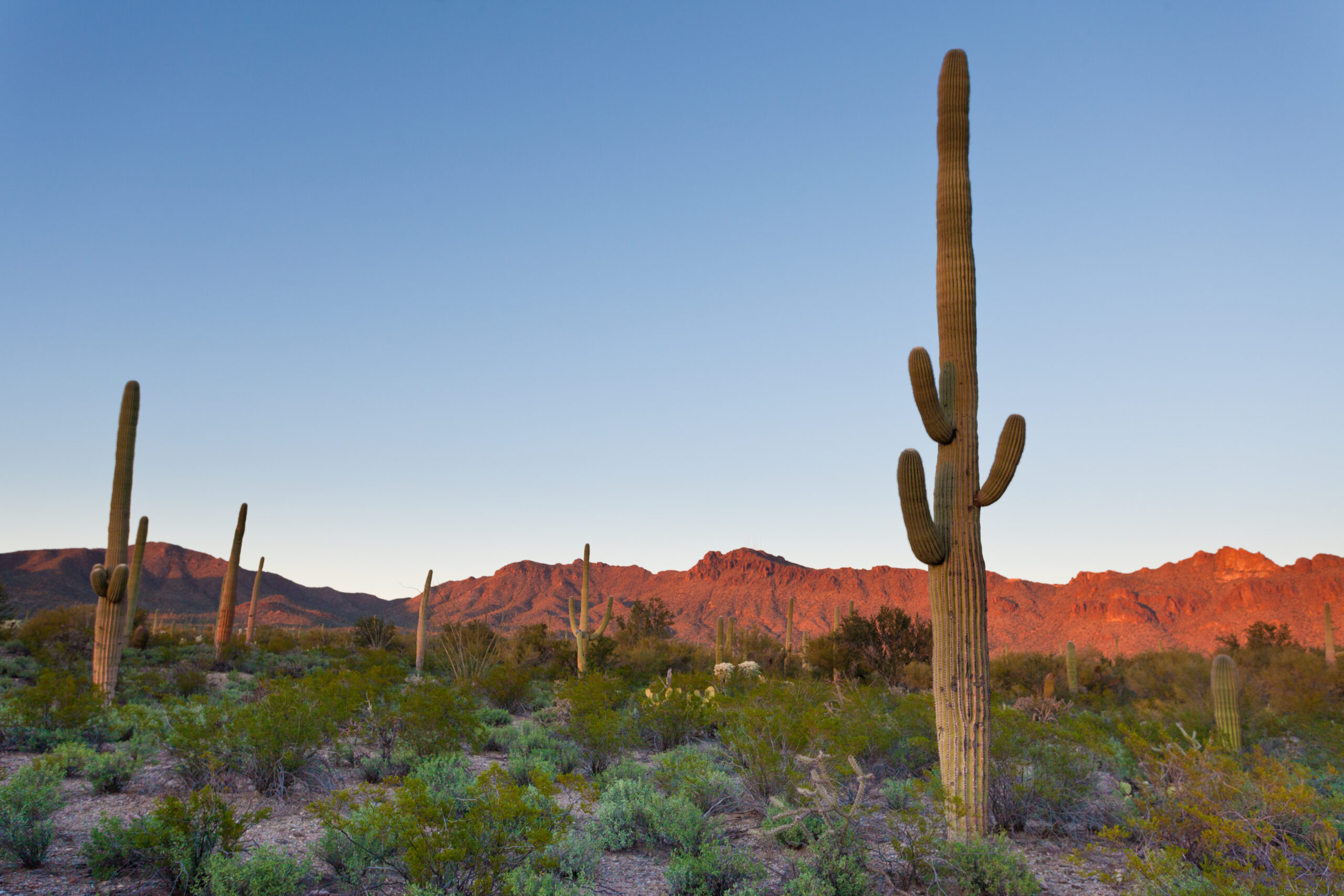
We stop to watch the colors, take a photograph, and wait for the last light to leave the mountains. Then we head inside or start the drive home.
But the desert’s day isn’t finished.
As November brings earlier evenings, it offers a reminder that the Superstition foothills are more than a landscape we enjoy in daylight. They are habitat—and some of the life that depends on them becomes active after we leave.
Protecting that landscape means thinking about what happens after sunset, too.
The Desert Has a Night Shift
A quiet stretch of desert can hold much more activity than we notice.
Many Sonoran Desert animals are nocturnal or most active around dawn and dusk. Their habits help explain why an afternoon outing may reveal tracks, burrows, and other signs of wildlife without many sightings of the animals themselves. nps.gov
That is worth remembering when we look across the foothills and see what appears to be empty space.
Our visit captures only a small part of what happens there. The landscape continues supporting life long after the trail grows quiet.
Darkness Is Part of the Habitat
When we talk about conservation, we often picture the physical features of a place: saguaros, washes, rocky slopes, and stretches of open land.
Natural darkness belongs in that picture.
The National Park Service explains that artificial light can affect wildlife behavior, including feeding, navigation, and interactions between predators and prey. In the Sonoran Desert, darkness is part of the environment many species rely on. nps.gov
That gives us another way to think about the edge between our neighborhoods and the desert.
The influence of development can extend beyond a property line. How we light and use the spaces beside natural areas deserves consideration alongside what gets built.
November Is a Good Time to Notice
You don’t need to organize a nighttime hike to appreciate this part of the desert.
Start somewhere familiar: your patio, a neighborhood gathering spot, or another place where you can safely and legally enjoy the evening.
Watch how the mountain outline changes as daylight fades. Notice which sounds become easier to hear. Think about how nearby lighting changes your experience of the sky and the surrounding landscape.
If you do plan an evening outing, check the location’s access rules and closing times beforehand. An open view does not mean unrestricted access.
The point is to pay closer attention to a place we may think we already know.
Bring That Awareness Home
As holiday lights begin appearing around the community, this is also a useful moment to consider outdoor lighting choices.
Before adding another light, ask what it needs to illuminate, where it will shine, and how long it needs to stay on. Consider whether decorative lighting needs to run throughout the night.
These questions can become part of conversations with your household, neighbors, or homeowners association.
Enjoying our homes and appreciating the desert around them can go together. Thoughtful choices start with noticing how one affects the other.
Keep the Whole Landscape in Mind
SALT’s mission is to conserve the natural Sonoran Desert and open spaces surrounding the Superstition Wilderness Area for this and future generations. Community participation helps carry that work forward through stewardship, education, partnerships, and organizational support. Join the SALT Mission Today!
Understanding the desert after dark adds depth to that mission. It reminds us that conservation serves living systems whose needs may be different from our own.
We may value a foothill for its view. An animal may depend on it for shelter, food, or a route through the landscape. Both deserve a place in how we think about its future.
This November, stay a little longer for the sunset—and remember the life that carries on afterward.
Visit AZSALT.org to learn about SALT’s work and ways to get involved.