This time of year, bats show up on front porches, classroom walls, and Halloween decorations. But here in the Sonoran Desert, their real story deserves a little attention, too.
With Bat Week approaching October 24–31, it’s a good time to look beyond the decorations and appreciate the animals that depend on the desert around us.
For the Superstition Area Land Trust, that connection matters. Conserving the foothills means protecting habitat for wildlife—including the species most of us rarely see.
The Desert Has a Night Shift
A daytime hike gives us only part of the picture.
After sunset, bats take to the air to feed. Many Sonoran Desert species eat insects, while nectar-feeding species help pollinate plants such as agaves and certain cacti.
Different bats fill different roles. The California leaf-nosed bat, for example, can pick insects from vegetation or the ground. Nectar-feeding bats have adaptations that help them reach deep into flowers.
These relationships are another reason to appreciate the desert as a living community, with activity continuing long after we head indoors.
Conservation Continues After Sunset
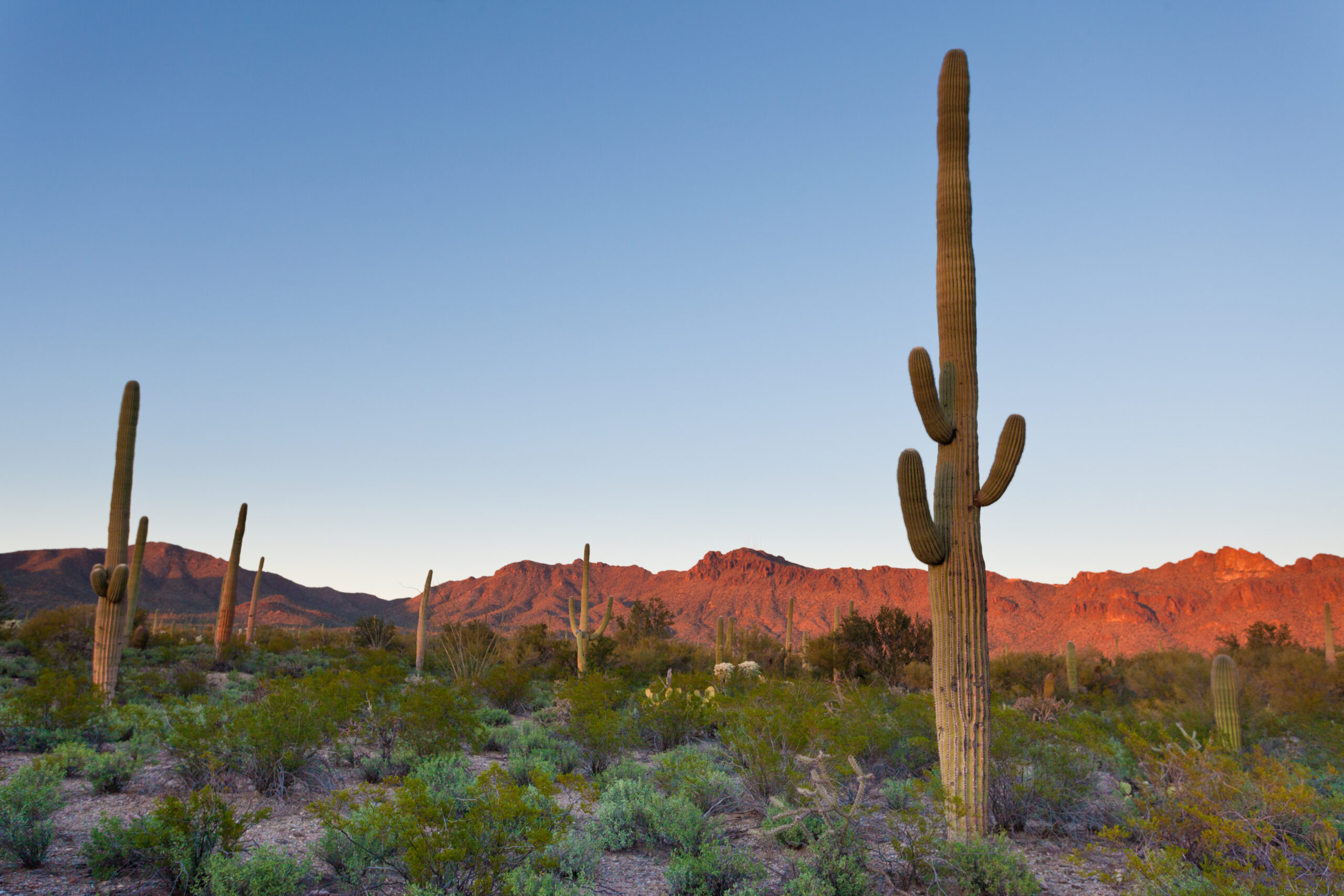
When we picture protected open space, we often imagine mountain views, saguaros, or a favorite trail.
Wildlife depends on more than the scenery. Feeding areas and places to shelter are part of what makes habitat useful. Protecting desert landscapes helps retain those resources.
Natural darkness matters as well. Artificial light can disrupt nighttime wildlife, including by drawing insects away from the plants they pollinate.
That gives residents near the Superstition foothills a practical way to help care for the desert beyond their own property lines.
A Few Small Changes at Home
Supporting a healthier nighttime environment can start with your outdoor lighting:
Aim lights downward and shield them from spilling into surrounding habitat.
Use timers or motion sensors so lights operate when needed.
Choose warm-colored lighting.
Turn off unnecessary outdoor lights when you head inside.
You can still light an entryway or enjoy seasonal decorations while being thoughtful about where that light goes and how long it stays on.
Give the Real Bats Some Appreciation
October gives us an easy opportunity to introduce children, neighbors, and friends to a part of desert life they may know little about.
Ask what bats eat. Learn how different species live. Talk about why protecting habitat matters even when its residents are difficult to spot.
At SALT, our mission is to conserve the natural Sonoran Desert and open spaces surrounding the Superstition Wilderness Area for this and future generations. The animals moving through the night are part of that future.
Learn more about SALT’s conservation work and how to get involved at AZSALT.org.