- (480) 983-3454
- info@azsalt.org
- Mon - Fri: 9:00AM - 5PM

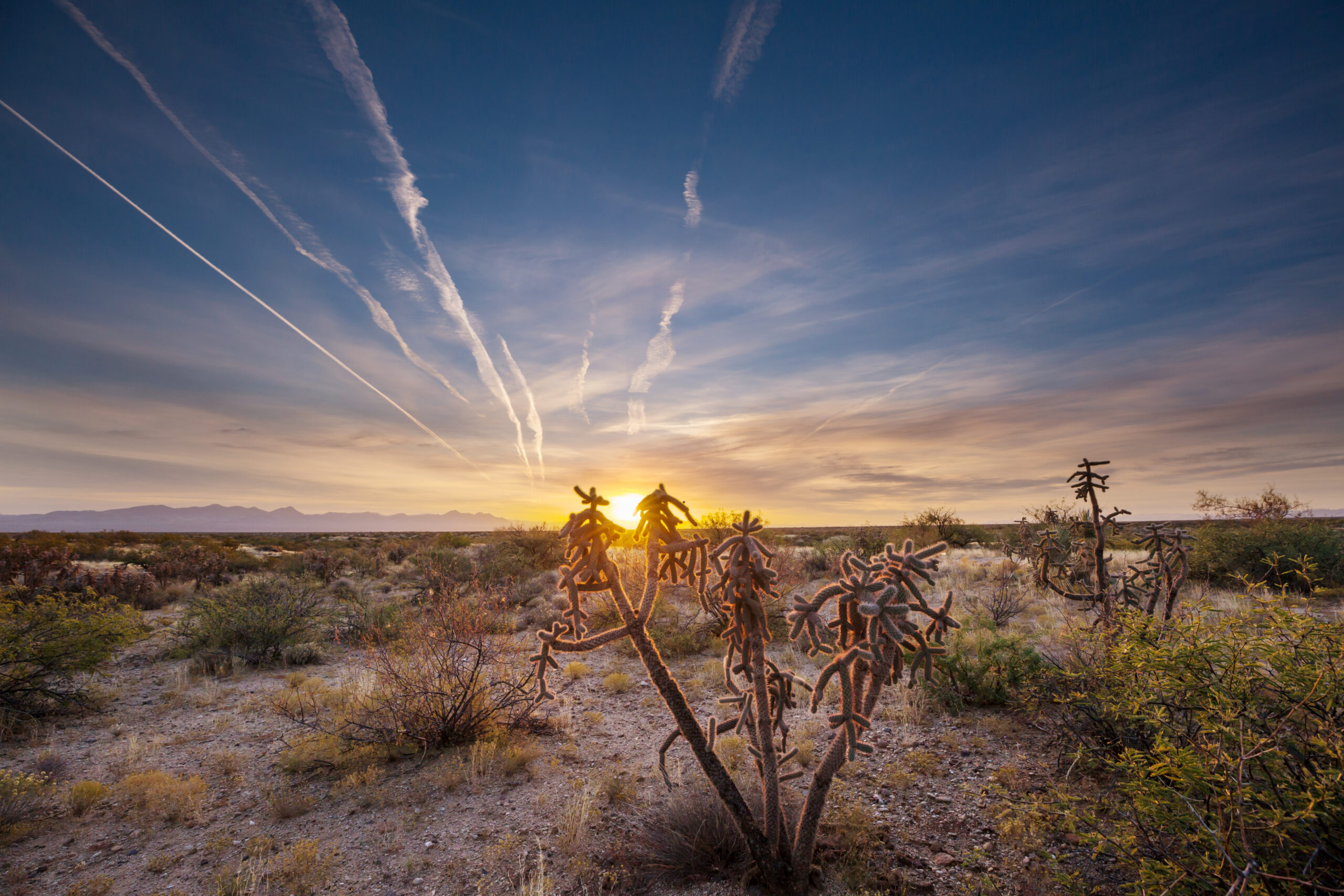
Photo by Joanne West Photography.
When most of us picture wildfire in Arizona, we probably picture flames moving through a pine forest somewhere in the high country.
We don’t necessarily picture saguaros.
But that is part of a changing reality facing the Sonoran Desert, and it’s something everyone who loves the Superstitions should understand.
The desert surrounding the Superstition Wilderness is incredibly resilient. Native plants here have evolved to survive months without meaningful rainfall, temperatures well above 100 degrees, intense sunlight, and conditions that would be impossible for vegetation in many other parts of the country.
But there is one thing much of the Sonoran Desert did not evolve to handle:
Frequent wildfire.
And invasive grasses are helping change that.
One of the things that makes the Sonoran Desert different from many other landscapes is the space between plants.
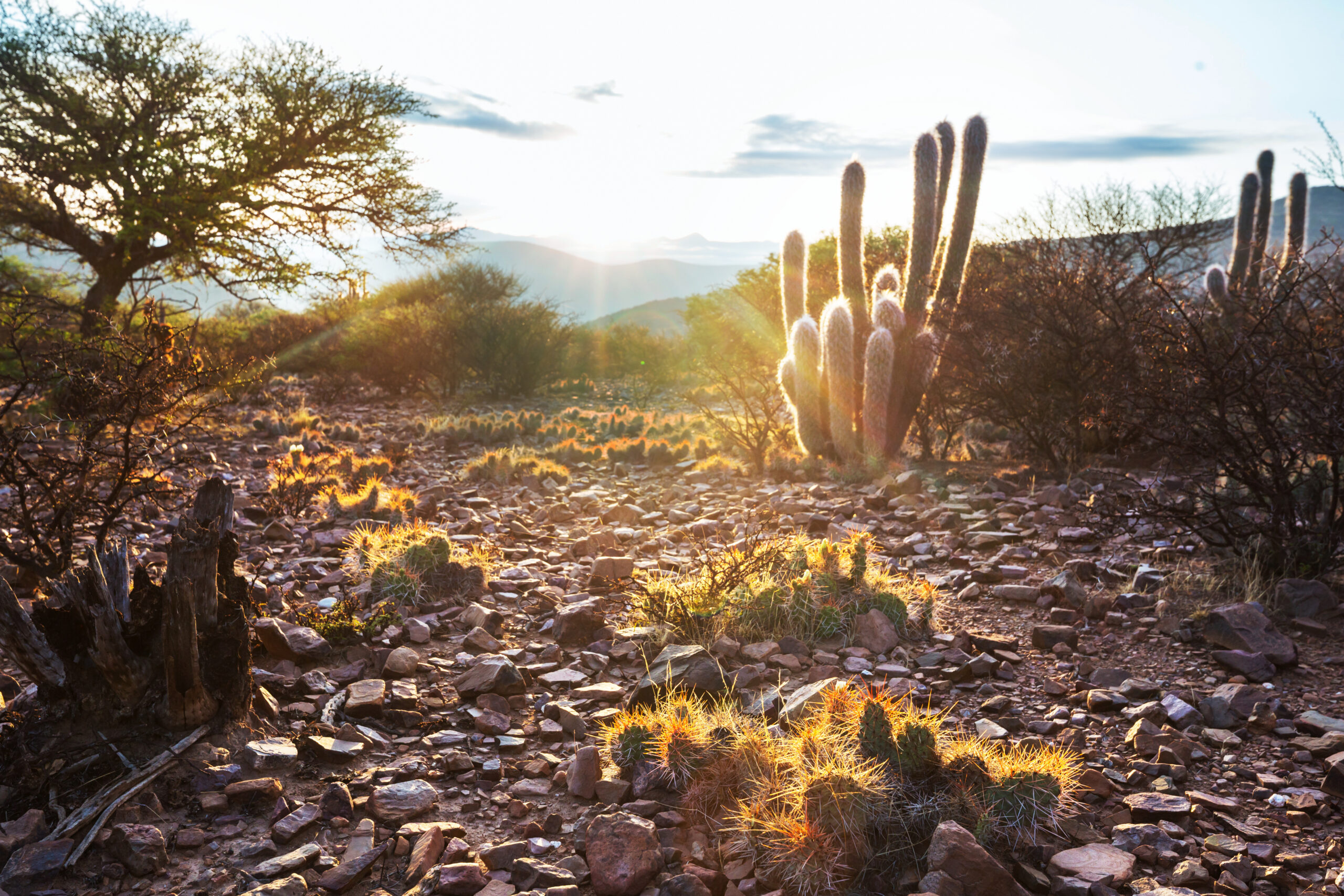
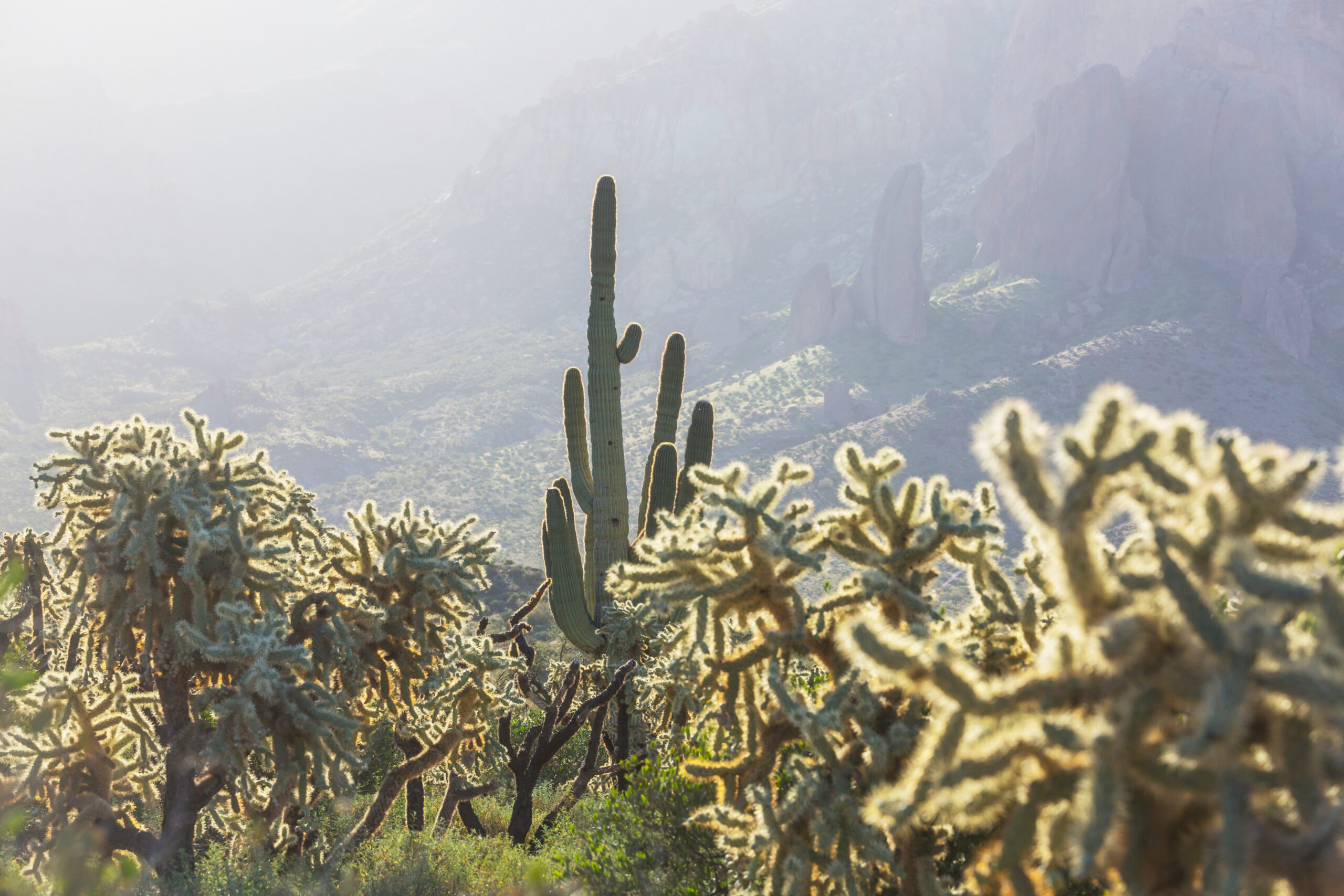
Walk through healthy desert and you’ll see saguaros, palo verdes, brittlebush, cholla, creosote and dozens of other native species scattered across the landscape.
Those open spaces matter.
Historically, they helped prevent fire from moving continuously across large areas of desert. There simply wasn’t always enough vegetation connecting one plant to another to carry flames across the landscape.
Invasive grasses can change that equation.
Species such as buffelgrass can grow densely between native desert plants. When those grasses dry out, they leave behind fuel that can allow fire to travel through areas where it historically would have had difficulty spreading.
Researchers across Arizona are paying increasing attention to this problem. In July 2026, Arizona State University highlighted new statewide research using climate projections, geographic information systems and ecological modeling to better understand where invasive grasses may increase wildfire potential.
That matters to everyone who cares about the Sonoran Desert.
Here is one of the strange realities of desert conservation:
Rain is wonderful—but what grows afterward matters.
Our summer monsoons can transform the desert almost overnight. Plants respond. Wildlife responds. Dry washes run again. Temperatures drop, and for a brief period the desert seems to breathe a sigh of relief.
But wet periods can also produce tremendous amounts of vegetation.
Native plants are part of that natural cycle. Invasive grasses can be different. They may spread quickly after moisture arrives and then dry as conditions become hotter and drier.
What was green vegetation can become a continuous layer of fuel.
That means the effects of a productive rainy season don’t necessarily end when the ground dries.
Sometimes they remain on the landscape.
There is something else we need to remember.
A forest and a desert don’t respond to fire in the same way.
Some ecosystems evolved alongside recurring wildfire. Certain plants can resprout after fire, and some species actually depend on periodic fire as part of their lifecycle.
Much of the Sonoran Desert is different.
Saguaros, in particular, are not designed for repeated exposure to intense fire. Neither are many of the native plants and animals that make this ecosystem extraordinary.
A large saguaro might have stood in the same place for well over a century.
It has survived drought.
It has survived brutal summers.
It has survived freezes, windstorms and countless monsoons.
Yet a fast-moving grass fire can threaten in minutes what took generations to grow.
That’s what makes this issue so important.
At the Superstition Area Land Trust, we talk often about conserving natural open space surrounding the Superstition Wilderness.
That mission becomes even more important as the pressures facing these lands change.
Protecting land isn’t simply about drawing a boundary around acreage and assuming the job is finished.
Healthy open space requires stewardship.
It requires understanding what’s happening on the landscape. It means protecting wildlife habitat, maintaining healthy native plant communities, educating the public, working with partners and responding to threats that may not have existed—or may not have been fully understood—decades ago.
SALT’s work has always taken the long view.
Our Superstition Area Land Plan was created to help identify which lands surrounding the wilderness were most important for conservation and which were more appropriate for development.
Today, taking the long view also means asking another question:
What will these lands look like 25, 50 or 100 years from now?
Will future generations walk through a Sonoran Desert filled with saguaros, palo verdes and native wildlife?
Or will invasive species and increasingly frequent fires fundamentally change the landscape they inherit?
The next time you hike near the Superstitions, take a moment to look beyond the mountains.
Look down.
Notice what’s growing between the saguaros.
Notice the incredible diversity packed into what can initially look like empty desert.
The Sonoran Desert isn’t empty at all.
It is an interconnected community that has developed over thousands of years, and even relatively small changes can ripple across the landscape.
That’s why conservation matters.
Not simply because the Superstitions are beautiful.
Not simply because we want somewhere to hike.
But because landscapes this remarkable aren’t guaranteed to remain the way we know them.
Protecting them requires us to recognize threats early, understand how the desert is changing and care enough to do something about it.
The Superstitions have stood over this desert for millions of years.
What grows beneath them in the generations ahead is partly up to us.

The Superstition Area Land Trust (SALT) works with public agencies to protect vulnerable Sonoran Desert foothills—part of Arizona’s 9 million acres of state trust land—threatened by urban sprawl and managed primarily for revenue.

Donating to the Superstition Area Land Trust (SALT) helps preserve the Sonoran Desert’s fragile foothills, wildlife, and open spaces for future generations.